Learn what causes rituximab night sweats, when to call your doctor, and practical ways to sleep cooler and manage symptoms at home.
If you’ve started having night sweats while getting rituximab (often referred to as Rituxan), you’re not imagining it, and you’re not alone. Waking up soaked, throwing off the covers, then getting chilled a few minutes later can wreck your sleep and leave you drained the next day. These night sweats are one of the drug side effects that some people notice, along with other well-known side effects of rituxan.
The tricky part is that Rituxan night sweats do not always have one clear cause. Sometimes they are tied to the infusion itself and can be a form of infusion reactions, especially early in treatment. Sometimes they come from the steroids or other medicines given with treatment. And sometimes the sweating points to something else entirely, including infection or the condition being treated. In diseases such as rheumatoid arthritis, chronic lymphocytic leukemia, and polyangiitis, as well as in patients with lung problems, the symptoms might be attributed to either the underlying illness or additional drug side effects. That is why it helps to look at the whole picture, not just the drug label, especially if you are breastfeeding and concerned about exposure to these side effects.
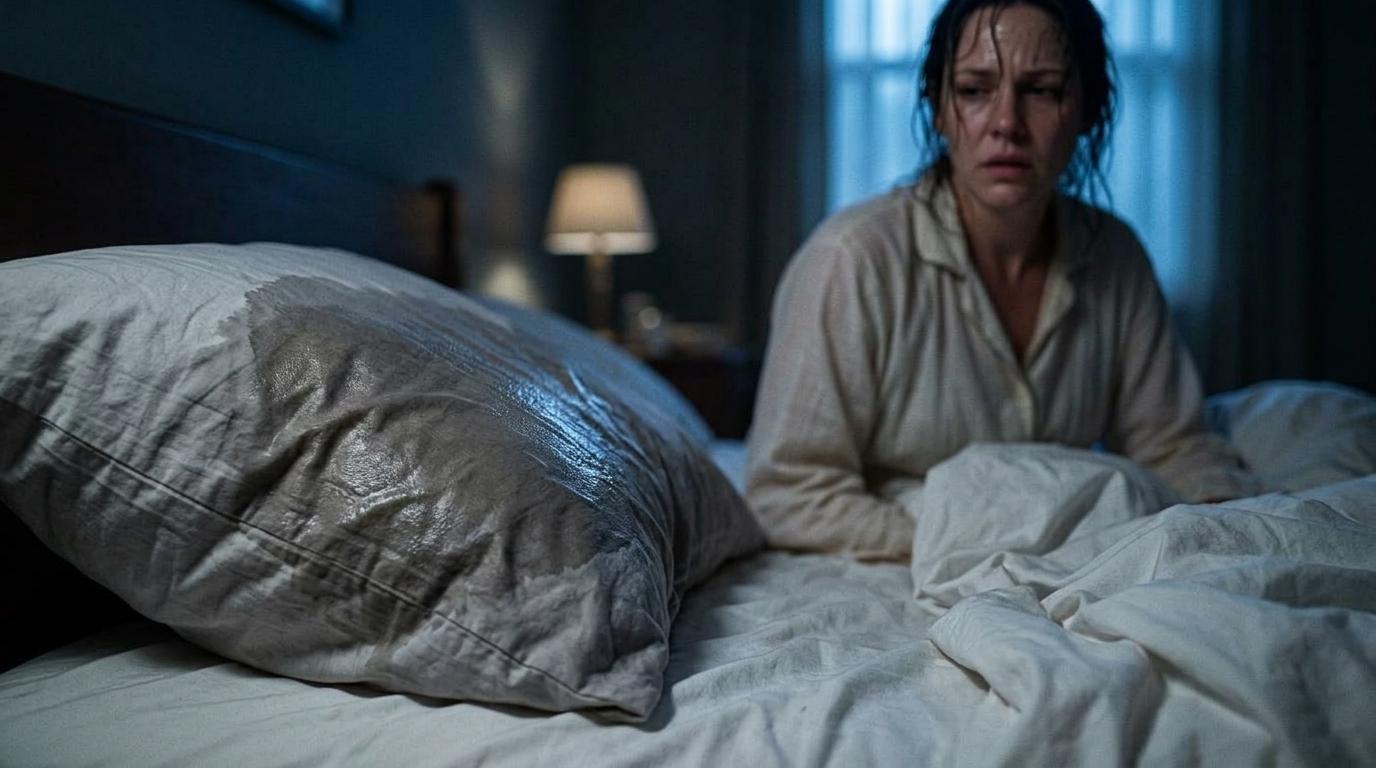
Night sweats are more than “sleeping a little warm.” People often describe them as sudden waves of heat, damp sleepwear, wet sheets, or a need to change clothes in the middle of the night. They may happen only around infusion days, or they may show up repeatedly over weeks.
Some people also notice flushing, chills after sweating, a racing heart, restlessness, or poor sleep that leaves them foggy the next morning when using Rituxan. If you are on rituximab for lymphoma, rheumatoid arthritis, chronic lymphocytic leukemia, or polyangiitis, it can be hard to tell whether the sweating is from treatment, the illness itself, or a mix of both.
Rituximab changes how part of your immune system behaves. During or after an infusion your body can release inflammatory chemicals that make you feel feverish, flushed, or sweaty. This is one reason night sweats may show up close to infusion day, especially early in treatment. Although these episodes are not uncommon, they are part of the broader category of side effects that can accompany rituxan.
Premedications can add to the problem by increasing the risk of side effects. Many people receive premedications such as steroids, antihistamines, or acetaminophen before Rituxan (rituximab). Steroids, in particular, can make you feel hot, restless, or wired, and they can disrupt normal sleep. Poor sleep itself can make sweating feel worse.

There is also a more serious angle. Rituximab can lower immune defenses, which means infections may be easier to pick up and harder to shake off. Moreover, because hepatitis B reactivation has been noted in some patients receiving rituximab, it is important to be vigilant. Night sweats linked with fever, cough, new pain, or feeling generally unwell should never be brushed off as “just the medication.” This is particularly crucial if you have underlying lung problems or are breastfeeding, as your care team may need to adjust your treatment plan.
And if you are taking Rituxan (rituximab) for lymphoma, rheumatoid arthritis, chronic lymphocytic leukemia, polyangiitis, or another condition that already causes sweating, the drug may not be the main reason at all.
A lot of night sweating is uncomfortable but not dangerous, yet when using Rituxan, it changes the risk calculation. Still, rituximab changes the risk calculation. Since it can affect your immune system, you want to be quicker about calling your care team than you would be otherwise.
Pay close attention to pattern and timing. If sweating happens only the night after a Rituxan treatment and then fades, that may point toward infusion related effects or premedications. If it is new, persistent, getting worse, or paired with other symptoms, your doctor may want blood work, cultures, or an exam.

This matters even more if you are being treated for cancer or autoimmune conditions such as rheumatoid arthritis, since night sweats can overlap with what are known as B symptoms in some blood cancers.
You may not be able to stop the cause right away, but you can make the nights easier on your body. Start with basics that reduce trapped heat and moisture. Light sleepwear, breathable sheets, and a cool room can help more than you might think.
Try to keep the bedroom on the cool side. Sleep experts recommend 60°F to 67°F for sleep, and many hot sleepers find that range works well. If cooling your whole home that much is expensive or uncomfortable for others, bed-focused airflow can help you stay cooler without overworking the air conditioner.
Hydration matters too. If you sweat a lot at night, have water available when you wake up. If you have medical reasons to limit fluids, follow your care team’s advice, but for many people a little water before bed and after waking helps them recover more comfortably.
Also think about timing. If you notice the worst sweating or side effects on infusion nights or the night after, especially if you're receiving treatments like rituxan, keep those evenings low key. Avoid heavy blankets, spicy late dinners, or alcohol, all of which can make temperature swings worse.
This is where many people get real relief, because night sweating is not only about room temperature. It is also about heat getting trapped under your sheets. Your body warms the air around you, and the bedding holds that heat close to the skin.
That is why bed-level airflow often feels very different from just running a ceiling fan. A bed fan pushes room air between the sheets, helping to carry body heat away. It does not cool the air itself. Neither the bedfan nor devices like the Bedjet cool the air. They only use the cool air already in the room to cool your bed.
Many hot sleepers, including people dealing with menopause, medication-related side effects such as those from rituxan, and treatment-related heat intolerance, do well with the bFan from www.bedfan.com. The original bedfan came to market several years before Bedjet was even thought of, and it remains a straightforward option when you want cooling at the bed instead of a huge gadget project.
A few details matter if you are looking at this route:
It helps to show up with a few clear questions instead of simply saying, "I am sweating a lot." Night sweats can point in different directions, so the more specific you are, the easier it is for your care team to sort things out. This conversation is especially crucial if you have concerns about drug side effects, infusion reactions, such as with medications like Rituxan, or if you are breastfeeding and worried about the impact on your baby.
Bring details about timing, severity, and any other symptoms, including whether you experienced night sweats after taking Rituxan. If you can say, "This happens the same night as my infusion and the next night, but not the rest of the week," that gives your doctor useful information. If you mention, "It started out of nowhere three weeks into treatment and now I have chills and cough," that points in a different direction.
A simple log can save you a lot of guesswork. Write down infusion dates, other medicines like rituxan taken that day, bedtime room temperature, whether the sweating woke you up, and whether the sheets were damp or soaked. Keep it short so you will actually do it.
Patterns tend to show up pretty quickly. You may notice that the worst nights follow steroid doses or that the sweating gets worse when your room is too warm, or that bed-level airflow cuts wake-ups in half. If your doctor needs to decide whether to change supportive meds like Rituxan or check for another cause, that record is much more useful than trying to remember several weeks of rough nights from memory.
And if sleep has become the hardest part of Rituxan treatment, focus on what you can control tonight. A cooler room, lighter bedding, tight weave sheets, and targeted airflow from a bed fan can make a rough stretch much more manageable while you and your care team work to address the bigger medical questions.
By staying informed and asking the right questions about rituximab, such as its potential impact as Rituxan, whether you are managing infusion reactions, monitoring for other side effects, or addressing concerns related to hepatitis B, lung problems, or breastfeeding, you become an active participant in your care. This can make all the difference during treatment.
Rituximab night sweats are episodes of excessive sweating that occur during sleep in people receiving rituximab, a medication used to treat certain autoimmune diseases and cancers. These sweats are often linked to how rituximab affects the immune system, causing the body to react as it targets specific cells. The sweating can be a side effect of the medication itself or a sign that your body is adjusting to the treatment, and these side effects can vary in intensity from person to person.
Rituxan night sweats can start soon after the first infusion and may last for several days or even weeks, depending on your individual response. Some people notice the sweats decrease as their body gets used to the medication, while others may experience them throughout the course of treatment. If night sweats persist or worsen, it’s important to talk to your healthcare provider to rule out other causes and discuss ways to manage the symptoms.
Most of the time, rituximab night sweats are not dangerous, but they can be uncomfortable and disrupt your sleep. Persistent sweating can sometimes lead to dehydration or disturb your rest, which may affect your overall well-being. If you experience other symptoms like fever, chills, or weight loss along with night sweats, you should contact your doctor to make sure there isn’t a more serious underlying issue.
To manage night sweats, keep your bedroom cool and wear lightweight, breathable clothing to bed. Using a bfan from www.bedfan.com can help circulate cool air under your sheets, making a big difference in comfort. Sleep experts recommend keeping your room between 60°F and 67°F, and with a bedfan, many people find they can raise their room temperature by about 5°F and still sleep cool. Staying hydrated and using moisture-wicking bedding can also help reduce discomfort.
Not everyone who takes rituximab will experience night sweats. The side effects of rituximab can vary widely from person to person, depending on factors like your overall health, the condition being treated, and your body’s unique response to the medication. If you’re concerned about potential side effects, it’s always a good idea to discuss them with your healthcare provider before starting treatment.
Yes, changing your bedding can make a noticeable difference. Sheets with a tight weave help air from a bedfan flow across your body and carry away heat more effectively. Moisture-wicking fabrics can also pull sweat away from your skin, keeping you drier and more comfortable throughout the night. Pairing these bedding choices with a bedfan is a simple, effective way to improve sleep quality during rituximab treatment.
If your Rituxan night sweats are severe, persistent, accompanied by side effects such as fever, chills, or unexplained weight loss, you should reach out to your healthcare provider right away. These could be signs of an infection or another underlying issue that needs medical attention. It’s always better to check in with your doctor if you’re unsure, especially when you’re undergoing treatment with medications like rituximab.
All links above have been checked and are currently working. If you need more information on side effects or sleep hygiene, consider visiting the Mayo Clinic, Healthline, or the Sleep Foundation for additional guidance.