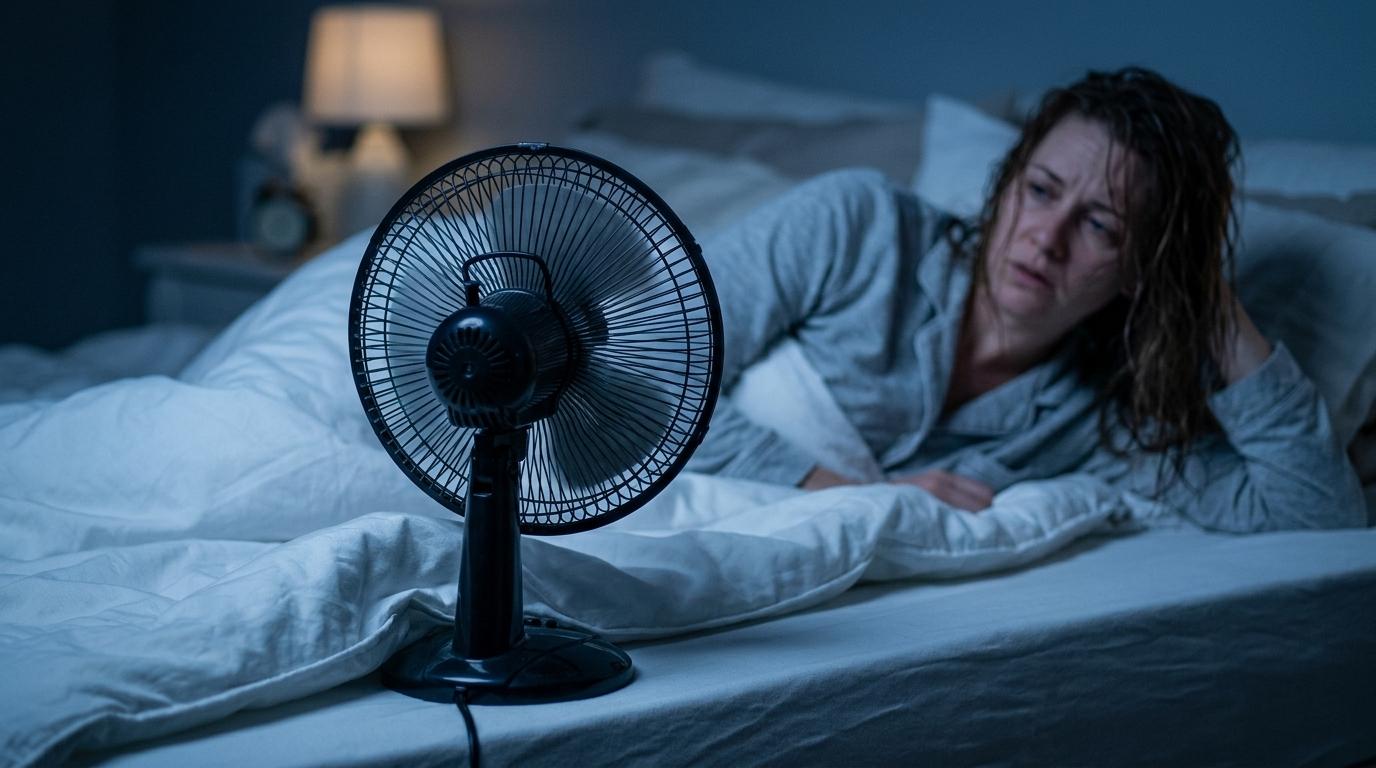
Learn what infliximab (Remicade) night sweats may mean, when they signal infection, and how to find relief and sleep better.
Infliximab, sold as Remicade and as biosimilars like Inflectra, can be a life changing drug for Crohn’s disease, ulcerative colitis, rheumatoid arthritis, psoriatic arthritis, and ankylosing spondylitis – all autoimmune diseases. It’s also used in children in some circumstances. However, whether you’re on a specific infliximab dosage that optimizes treatment or on infusion therapy protocols adjusted to minimize remicade side effects, it’s important to stay vigilant about potential side effects. One example is waking up drenched at night, a symptom that can be hard to read because it may come from the drug itself, the disease it treats, or a new infection. That distinction matters, since infliximab lowers part of your immune response and can make some infections more serious. The practical problem is figuring out what needs a doctor’s attention now, and what you can manage at home so you can actually sleep.
Yes, infliximab can be linked to night sweats, and TNF-alpha blockade in Remicade or Inflectra can change immune signaling, trigger infusion reactions, or uncover infection. Some common remicade side effects include these sweat episodes, which may be an infusion therapy reaction or represent another underlying process. The same soaked sheets can come from your medication, your inflammatory disease, or a separate illness.
Infliximab blocks tumor necrosis factor alpha, a cytokine tied to inflammation, fever, and immune defense. When that pathway changes, your body’s temperature regulation can feel off – and sometimes the infliximab dosage you’re prescribed might influence the severity and frequency of these side effects, especially with regard to night sweats. Some people notice sweating during or after infusions, while others develop it later if an infection takes hold or the underlying disease is still active.
A common misconception is that sweating automatically means an allergy to infliximab. It can, but not always. If sweating happens during the infusion, or within hours, and you also get flushing, itching, chest tightness, back pain, or shortness of breath, that pattern fits an infusion reaction more than a simple heat problem.
Another wrinkle is premedication. Some infusion centers use steroids, diphenhydramine, or acetaminophen. Steroids, especially prednisone or IV methylprednisolone, can make you feel warm or sweaty later that night, which can muddy the picture.
Night sweats on infliximab are not automatically harmless, and fever or weight loss with Remicade should move infection higher on the list. Tuberculosis and pneumonia matter most because TNF blockers weaken the body’s usual containment of serious infections. Always consider that additional side effects may come with changes in your treatment or even your infliximab dosage, and these need clear evaluation.
This is the big safety question. Infliximab carries a known risk of serious infection, including reactivated tuberculosis, fungal infections like histoplasmosis in some regions, and bacterial infections ranging from pneumonia to abscesses. If your night sweats are new, heavy, and paired with cough, fever, chills, belly pain, burning urination, diarrhea, or new symptoms that change your daily routine, your doctor should hear about it.

If sweats cluster on the night of infusion and fade by the next day, a medication-related cause is more likely. If sweats keep happening for days or weeks, or get worse between infusions, infection, disease flare, hormone shifts, or another medication becomes more likely. These additional symptoms are important clues in managing the side effects of your treatment.
One more misconception trips people up. You do not need a high fever for this to be serious. People on immunosuppressive drugs sometimes have muted fevers. A low grade temperature, new cough, or unexplained weight loss can still be important.
Rarely, persistent drenching night sweats can be part of lymphoma or another cancer workup. In rare instances, persistent sweating may be associated with the development of lymphoma – an important consideration even though it is not the first explanation in most people. That is not the first explanation in most people, but it belongs on the list if you also have swollen lymph nodes, fevers, and unplanned weight loss.
The best fixes combine medical triage with targeted cooling, and the top options range from a bed fan to a medication review. Remicade users do best when they treat night sweats as both a sleep problem and a safety signal, while keeping in mind that additional side effects might signal a need to adjust your treatment.
Start with symptom relief that makes sleep possible, while you also rule out infection or a reaction. Cooling the bed often works better than blasting the whole bedroom, because the sweat problem is happening where body heat gets trapped, between your skin, the fitted sheet, and the top bedding.
A simple symptom log beats memory, and patterns around Remicade infusions or prednisone use often show up within two or three treatment cycles. Good notes help your GI, rheumatologist, or infusion nurse separate a nuisance side effect from one requiring a workup. This tracking is crucial if you experience additional symptoms that could indicate a worsening condition or new side effects from your treatment.
Keep this simple enough that you’ll actually do it. Your phone notes app is fine.
A pro tip here, measure your temperature before taking acetaminophen if you think you might be sick. Once you medicate, the fever clue can disappear.
You should contact your care team promptly if night sweats come with fever, cough, weight loss, or chest symptoms, because Remicade and Inflectra can raise infection risk. A same day call is the safe move when new sweats feel intense or systemic, and when the side effects of your current treatment seem to be evolving.
Call your GI, rheumatologist, primary care clinician, or infusion center right away if you have any of these with the sweating: fever of 100.4°F or higher, shaking chills, persistent cough, shortness of breath, painful urination, new abdominal pain, bloody diarrhea, or rapid weight loss. If you have chest pain, severe trouble breathing, confusion, or feel faint, that moves into urgent care or emergency territory.
If you were recently exposed to tuberculosis, traveled to an area where fungal infections are common, or have a history of recurrent infections, mention that early in the call. Those details affect how fast your doctor orders testing. In addition, maintaining an up-to-date schedule for vaccines is important when you are on biologics.
If the symptom started during the infusion itself, tell the infusion center exactly when it happened and what else you felt. Timing matters with infusion reactions.
Infliximab sweats often track with infusion timing or infection clues, while menopause and SSRI sweats usually follow a broader hormonal or medication pattern. Remicade and sertraline can both cause sweating, but they rarely behave in exactly the same way. It’s important to monitor all side effects and symptoms carefully during treatment.
Menopause and perimenopause often cause sudden heat surges, upper body flushing, and repeated episodes over months or years. The pattern is usually not tied to one infusion day. Antidepressants, especially SSRIs and SNRIs like sertraline or venlafaxine, often cause more steady, ongoing sweating that may start after a new prescription or dose change.
Here is the trap, many people have more than one cause. A woman in perimenopause who also takes infliximab and an SSRI can have layered sweating triggers. If you assume it is “just hormones,” you might miss an infection. If you blame only Remicade, you might miss a medication side effect that is easier to fix. Adjusting the overall treatment based on a careful review of your symptoms and side effects is key.
A practical clue is the calendar. If your sweats are tied tightly to infusion days, look there first. If they happen every night no matter where you are in the infusion cycle, broaden the search.
Targeted bed cooling is usually more efficient than overcooling the whole bedroom, and systems like bFan or BedJet work by moving existing room air, not by making new cold air. That distinction matters for comfort, noise, and energy use.
Neither Bedfan nor BedJet cools the air itself. Both use the cooler air already in the room and move it into the bed space, where trapped heat collects. If your room is hot, the airflow can still help, but it will not feel like air conditioning. The goal is heat removal, not refrigeration, which is a key aspect of managing these treatment side effects.
The original Bedfan reached the market years before BedJet was even thought of, and the category has stayed popular because the physics make sense. If you are comparison shopping, a dual-zone BedJet is over a thousand dollars, more than twice the price of two bedfans. That trade-off may be fine for some buyers, but it is worth knowing up front.
A common mistake is choosing fluffy, open-weave bedding and expecting strong airflow across the body. Bed cooling works better when the sheet structure helps guide the air.
No, one episode of sweating rarely justifies switching biologics, and Remicade, Humira, and Stelara all have different trade-offs. The decision depends on infection workup, infusion reactions, overall disease control, and whether the symptom is isolated or part of a bigger problem. As with any treatment, discussing your infliximab dosage and potential side effects, including any new or worsening symptoms, is critical.
If infliximab is controlling your disease well and the sweats are mild, brief, and limited to infusion nights, your doctor may first adjust premeds, infusion rate, hydration, or your sleep setup. That is a lower disruption move than changing therapy. On the other hand, if the sweats are paired with recurrent infections, antibody formation, worsening disease symptoms, or serious infusion reactions, the balance changes. A switch to another biologic class, like vedolizumab or ustekinumab in IBD, may make sense. The trade-off is that every biologic has its own onset time, side effect profile, and insurance hurdles.
This is where context matters most. A drug that works brilliantly for Crohn’s disease but causes repeated infections and additional side effects might not be working well for that patient, especially when considering long-term treatment outcomes.
A few small changes before bed can reduce wakeups, and the best setup starts before the sweating begins. Think ahead on infusion days, especially if you already know the first night is going to be rough due to known remicade side effects or a recent change in infliximab dosage.
You do not need a complicated ritual. You need a cooler sleep microclimate and fewer triggers.
Doctors usually start with basic infection and inflammation checks, and CBC, CRP, and a chest X-ray are common first steps. For Remicade users, the exact workup depends on cough, fever, weight loss, travel history, and exposure risks, especially when other side effects begin to appear that might be related to your infliximab dosage or infusion therapy schedule.
If your story suggests infection, your clinician may order blood work, urine testing, chest imaging, and cultures. If tuberculosis is on the table, they may repeat TB screening even if you were negative before starting infliximab. If you have Crohn’s disease or ulcerative colitis with belly symptoms, stool tests or abdominal imaging may be part of the plan, because abscesses and active inflammation can also drive sweats and other side effects.
When weight loss, swollen lymph nodes, or long running drenching sweats show up, doctors may widen the workup to look for blood disorders or cancer. That can include a more detailed exam, more imaging, and sometimes referral to a specialist. Remember, persistent sweats might be a sign of lymphoma – a diagnosis that should be thoroughly vetted along with other possible causes.
The main thing to know is this: “night sweats” is not a diagnosis. On infliximab, it is a clue. If the clue comes with fever, cough, pain, or weight loss, the right move is not just cooling the bed better. It is getting checked, then using practical cooling tools to sleep while you sort out the cause. Monitoring all these symptoms helps ensure that both your treatment and overall health stay on track.





