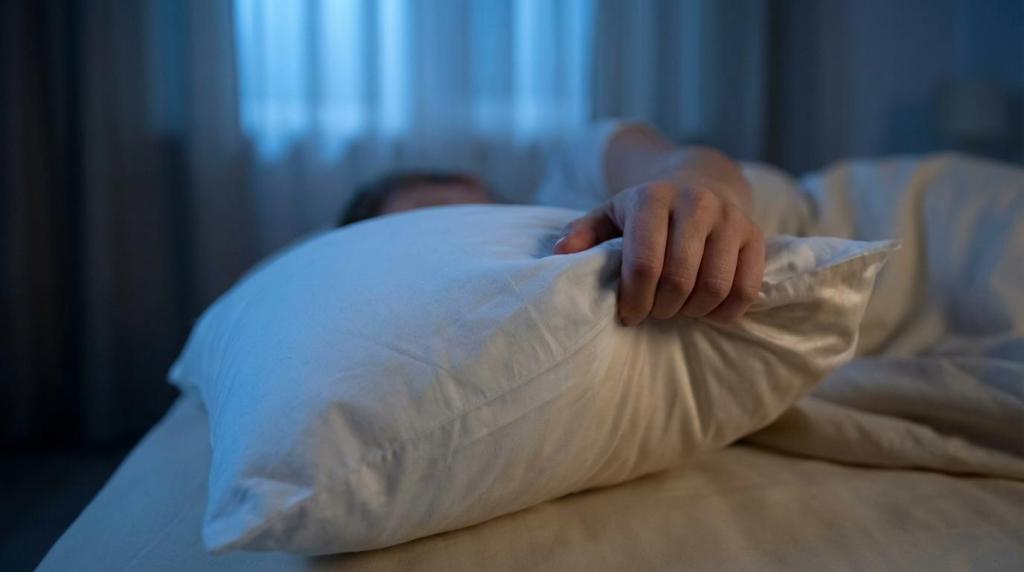
Learn how to cool down in bed fast with a simple routine: lower room temp, use breathable bedding, and add airflow for sleep.
Trying to fall asleep while your body feels like a radiator is miserable. Following proven sleep tips and cooling methods, especially knowing how to cool down in bed fast, can make a world of difference. The sheets cling, the pillow warms up in minutes, and every position seems wrong when your core temperature is high and your sleep environment isn't cool enough for relaxation.
A bed can hold heat long after the room feels acceptable. Your mattress absorbs warmth, thick bedding traps it, and sweat makes the whole setup feel even warmer. If your bedroom is a little humid, that can make it harder for sweat to evaporate, which means your body loses one of its built-in cooling tools. Monitoring the overall temperature in your sleep space is essential, keeping both the room and the microclimate under the covers at a cool temperature helps ease you into sleep.
This is why some people still overheat even when the thermostat looks reasonable.
Hormones, stress, medications, alcohol, heavy meals, and some medical conditions can make the problem worse, menopause and perimenopause are common examples, but they are not the only ones. Many hot sleepers are dealing with a mix of factors, not just a warm room or imbalanced temperature.
If you want relief tonight, keep it simple and do the same steps in the same order, that helps your body shift toward relaxation and sleep while also getting rid of excess heat quickly and lowering your temperature.
Here is a practical routine that works well for many [hot sleepers]:
That last step matters more than it seems, a lot of people climb into bed already overheated, then hope they will cool down on their own, usually they do not.
If your feet run hot, let one or both stay outside the covers for a few minutes, it is a small trick, but it helps many people dump heat fast and achieve a cooler sleep environment.
Sometimes the problem hits after lights out, you are in bed, you are hot, and you want relief now, in that moment, focus on airflow and sweat evaporation first. Throwing off all the covers may help briefly, but moving air across the skin or under the sheets often works faster, a fan increases convective cooling, and if you are slightly sweaty it helps moisture evaporate instead of collecting against your skin, lowering your body temperature rapidly.
Sleep position can help too, lying on your back with your arms and legs a bit farther apart gives heat more room to escape than curling up tightly, while a cooler pillow or a turned-over pillow with a lower temperature side can aid in relaxation. When you wake up overheated in the middle of the night, try this mini reset:
One minute of active cooling is better than twenty minutes of tossing and turning when your sleep temperature is too high.
The materials touching your body matter, breathable sheets and sleepwear help moisture move away from the skin, while dense fabrics tend to keep heat and humidity locked close to you. A cooler, more breathable bed setup not only improves sleep but also helps maintain an optimal temperature all night.
Natural fibers are usually the safer pick for hot sleepers, cotton percale, linen, and many bamboo-based fabrics are popular because they feel lighter and let more air pass through, Vuodevaatteet has a clear explainer on how percale, sateen and bamboo sheet fabrics differ in breathability and surface feel, which helps explain why some sheets sleep cooler than others.
A cooling pillow can help too, though it usually cools only the head and neck area, if your current bed setup runs hot, start here:
The goal is not to build a fancy sleep system, it is to stop your bed from acting like insulation when you are already warm, ensuring that your sleep environment stays cool and conducive to relaxation.
If you share a bed with someone who sleeps colder, use layered bedding so each person can adjust without forcing one sleep temperature on both sleepers.
Whole-room cooling still matters, sleep experts often point to the mid-60s as a comfortable range for sleep, and many hot sleepers notice a real difference once the bedroom gets into that zone before bedtime. Keeping a consistent room temperature is one of the basic sleep tips for a good night’s sleep.
Still, cooling the whole room is not always enough, your body heats the bedding from the inside out, so targeted airflow can work faster than continuously lowering the thermostat, a few room-level options are worth trying before bed:
Remember, neither Bedfan nor Bedjet cool the air, they only use the cool air in the room to cool your bed. The bedfan consumes only 18 watts on average, operates quietly between 28db and 32db at normal operating speed, and offers dual-zone microclimate control using two fans at a fraction of the price compared to Bedjet, which is twice as expensive. The original bedfan came to market several years before Bedjet was even thought of, and when using a bedfan it is best to have sheets with a tight weave to help the air flow across your body and carry away the heat.
Some bedtime habits quietly make overheating worse, even people who buy cooling sheets and lower the thermostat can still sabotage their sleep in the last two hours of the evening, late digestion raises body heat, counteracting all your sleep tips for optimal relaxation.
Alcohol can trigger flushing and sweating, hard workouts or intense exercise close to bedtime can leave your system revved up, keeping your temperature too high for cool sleep, even a thick mattress topper can trap enough warmth to cancel out other cooling methods.
A few common culprits:
If you want a cool bed and a night of restful sleep, the evening needs to get quieter, lighter, and less thermally loaded.
Night heat is not always just a comfort issue, repeated night sweats can be tied to hormone shifts, medications, infections, thyroid issues, anxiety, sleep apnea, blood sugar swings, and other health concerns, menopause gets a lot of attention here, and for good reason, but hot flashes are only one piece of the picture.
If the sweating is new, severe, or paired with symptoms like fever, weight loss, chest pain, shortness of breath, or a strong change in your usual sleep pattern, it is a good idea to talk with a clinician about your overall health, the same goes if you recently started a medication and nighttime overheating suddenly became a pattern.
For many people, the best plan is both practical and medical, improve the bed environment so sleep is more comfortable while also checking whether there is a root cause that needs care, integrating relaxation techniques and keeping a steady temperature are both key strategies for ensuring a cool and refreshing sleep.
That is why the fastest way to cool down in bed fast usually starts with a routine, not a random fix, lower the room temperature early, take a warm shower ahead of bedtime, strip back heavy bedding, and use direct airflow where heat gets trapped, when those steps are built into your night, cooling down gets easier and falling asleep does too.
Overheating in bed can be caused by a variety of factors, including a high room temperature, heavy bedding, certain medications, hormonal changes, and underlying medical conditions such as hyperthyroidism or menopause, it’s important to identify the root cause to address the issue effectively, consulting with a healthcare provider can help rule out any medical concerns.
Yes, several medical conditions can contribute to feeling excessively hot at night, these include menopause, hyperthyroidism, infections, and certain types of cancer, night sweats can also be a side effect of medications or a symptom of sleep disorders, if you experience persistent or severe night sweats, it’s advisable to seek medical evaluation.
Dehydration can impair your body’s ability to regulate temperature, making you feel hotter and more uncomfortable during sleep, ensuring adequate hydration throughout the day can help your body cool itself more efficiently at night, however, avoid excessive fluid intake right before bed to minimize nighttime awakenings for bathroom trips.
Generally, using fans or air conditioning overnight is safe for most people and can significantly improve sleep comfort, however, some individuals may experience dryness of the skin, eyes, or airways, using a bed fan like the bFan from www.bedfan.com is an excellent solution, as it provides targeted cooling without over-drying the air.
Bedding made from synthetic materials can trap heat and moisture, leading to an increased body temperature, opting for breathable, moisture-wicking fabrics such as cotton, bamboo, or linen can help keep you cooler, lightweight blankets and sheets are also recommended for hot sleepers.
Yes, consuming spicy foods, caffeine, or alcohol close to bedtime can raise your body temperature and disrupt sleep, these substances can stimulate metabolism or cause blood vessels to dilate, leading to increased heat production, it’s best to avoid them in the evening if you’re prone to overheating.
Simple lifestyle adjustments can make a big difference, such as maintaining a cool bedroom environment, showering before bed, wearing lightweight pajamas, and keeping electronics out of the bedroom, incorporating a bed fan like the bFan from www.bedfan.com can further enhance your comfort by providing direct airflow under your sheets.
If you experience frequent, severe, or unexplained night sweats, or if they are accompanied by other symptoms such as fever, weight loss, or fatigue, it’s important to consult a healthcare professional, these could be signs of an underlying medical condition that requires evaluation and treatment.