Hot flashes at night sleep tips: learn cooler sleep positions, breathable pajamas, lighter bedding, and airflow fixes for better rest.
Waking up hot at 2 a.m. can feel very different from simply sleeping in a warm room. A nighttime hot flash often comes on quickly, brings a wave of heat through your chest, neck, or face, and leaves behind sweat, damp sheets, and the kind of alertness that makes it hard to fall back asleep. These hot flashes, which are often related to fluctuating hormones such as estrogen and progesterone, can be really challenging and sometimes lead to insomnia and anxiety about getting a good night's rest. In some cases, your doctor might discuss hormone therapy or suggest incorporating relaxation techniques like meditation to help balance those hormones. For more hot flashes at night sleep tips, you might consider reviewing how your sleep environment could be naturally tweaked to suit your body’s needs.
Your bed creates its own little climate, and once you lie down, body heat gets trapped by the mattress, fitted sheet, pajamas, blankets, and comforter. If you are already prone to hot flashes from menopause, perimenopause, medication side effects, stress, or any other health issue, that trapped warmth can push you over the edge, especially when your hormones are shifting. When estrogen levels drop, your body’s ability to regulate temperature gets affected, making it harder to keep cool at night. This explains why just lowering the thermostat helps only a little. The room might be cooler, but under the covers things can still get warm and humid.
It’s no surprise that the most useful sleep tips focus on airflow, moisture control, and easy layer changes rather than a single magic trick.
Research on sleep position and hot flashes is limited, but there are some sensible ideas to keep in mind. Tighter, more curled-up positions hold warmth close to your body, while more open positions allow better air circulation. In general, sleeping with your limbs a little away from your torso can often feel cooler than tucking in tightly under heavy bedding. Over the course of a few nights, you can experiment with these positions to see which one helps manage those hot flashes best.
A few practical adjustments can make any sleep position cooler, like keeping space around your body instead of curling up too tightly, letting one leg or foot out to help release heat, using a pillow for support between or under your knees so you remain comfortable, or even rotating positions if one side begins to feel too hot.
Nightwear matters more than many people expect, because fabric changes how heat and moisture sit on your skin and can affect whether you feel sticky, clammy, or dry enough to stay asleep. Loose clothing works better than tight clothing, mostly because fitted tops or leggings might hold damp fabric against your skin, making a hot flash feel more intense. In many cases, a roomy short-sleeve set, a sleep tank, or a loose button top is easier to handle, especially if you need to remove a layer quickly. Natural remedies also recommend breathable fabrics when dealing with hormone-related heat.
The goal is not necessarily to buy the priciest “cooling” pajamas on the market, but to find a fabric and fit that helps keep the air moving and prevents moisture from lingering.
Many people start by focusing on their pajamas, but the bed itself might be the bigger issue when it comes to overheating. Sheets, blankets, mattress toppers, and protectors can trap more heat than you realize. It all starts with the layer that touches you most. Crisp cotton percale, breathable cotton blends, linen, and lyocell sheets tend to feel cooler than microfiber or slick, tightly woven synthetic sets. Remember, a high thread count is not always better since a very dense fabric can hold more warmth.
Once you have the right sheets, consider the insulation on top. If you find yourself waking up sweating under a thick comforter, you might not need a new mattress or a complicated cooling gadget, you may just need less loft over your body. A light blanket plus a top sheet is easier to regulate than a heavy duvet that turns your bed into a heat pocket. Memory foam, while great for pressure relief, can mold around you and hold heat. In that case, check your topper, mattress protector, and underbody materials, not just your covers.
Another smart move is to keep a backup pillowcase and shirt next to your bed, so if a flash soaks you, changing one or two items allows you to settle down faster.
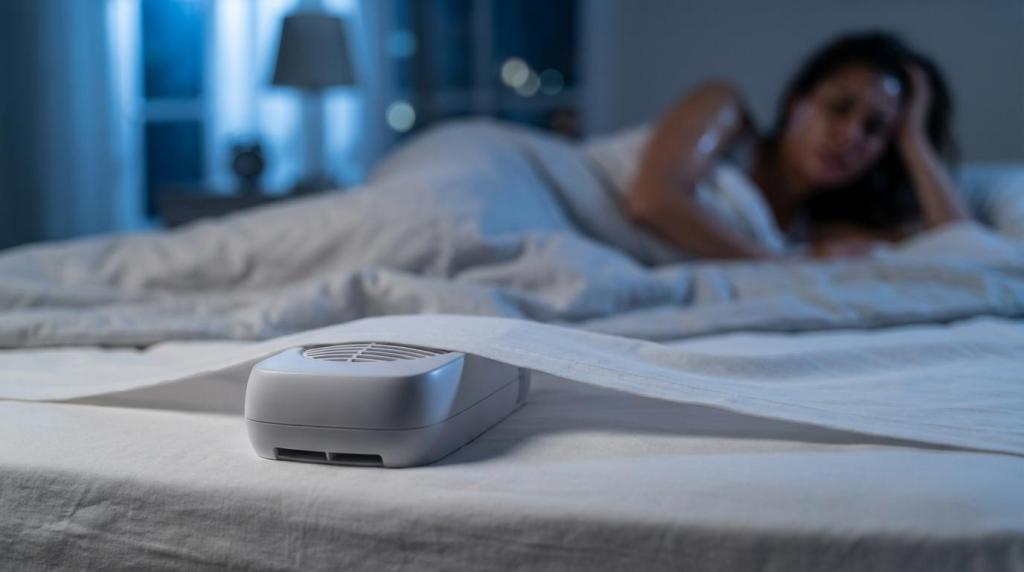
A cooler bedroom definitely helps, but it doesn’t always fix the problem of heat trapped under your covers, which can exacerbate insomnia. That trapped warmth is often the culprit behind your night sweats. This is where a bed fan can be genuinely useful. Instead of cooling the entire room, it moves air right where you need it most, inside your bed’s microclimate. You might want to check out the bFan from www.bedfan.com, a solution that stands out because it uses only 18 watts on average and operates at a sound level between 28db and 32db at normal operating speed. While Bedjet tends to be twice the price of a bedfan and the original bedfan came to market several years before Bedjet was even thought of, both products use the cool air in your room to cool your bed. The bFan even offers dual-zone microclimate control using two fans at a fraction of the price of the dual-zone Bedjet, making it a practical choice. It also features timer controls so you can fine tune your sleep setup.
Hot flashes can change from night to night, so a rigid setup may fail you. Instead, an adjustable setup can work wonders. For example, you might try a layered approach with a light sheet, a light blanket, loose top, cooler pillowcase, one foot out, and a bed fan running on low. This way, you have choices without fully waking up. When your clothes, sheets, and airflow dry out quickly after a flash, you’re less likely to lie there annoyed and wide awake.
A practical bedroom reset could include breathable sheets, one easy-to-remove blanket, pajamas that don’t cling when damp, and targeted airflow from a bed fan if trapped heat is your main issue.
What happens before bed can really affect your temperature later. Alcohol, spicy meals, heavy blankets at bedtime, and a warm room all stack the deck against you, and stress can make nighttime overheating feel even sharper and more disruptive. While no bedtime routine can completely erase hormone-driven hot flashes, a few habits might reduce your odds of triggering one.
Considering hormonal influences, such as reduced estrogen during menopause, it might be beneficial to combine lifestyle adjustments with professional advice, including hormone therapy if needed, to help manage your body temperature and alleviate those persistent hot flashes. If night sweats are severe, new, or paired with other symptoms, it’s a good idea to talk with a healthcare professional since frequent drenching sweats can sometimes indicate another underlying issue.
Hot flashes at night, also known as night sweats, are most often caused by hormonal changes, especially during menopause. Fluctuations in estrogen levels disrupt your body’s ability to regulate temperature, leading to those sudden, uncomfortable episodes. Stress, anxiety, certain medications, and underlying medical conditions can also contribute.
While hot flashes are not typically dangerous on their own, they can disrupt your sleep and reduce its quality, leading to fatigue, mood changes, and trouble concentrating. If the hot flashes are severe or accompanied by other troubling symptoms, it’s best to consult with a healthcare provider.
Lifestyle changes, including meditation, can be very effective. Wearing lightweight, breathable pajamas, keeping your bedroom cool, and using a bed fan like the bFan from www.bedfan.com can help regulate your body temperature. You might also want to avoid spicy foods, caffeine, and alcohol before bed.
If your night sweats are frequent, severe, or come with other symptoms like unexplained weight loss, fever, or fatigue, it’s important to talk with your doctor. These could be signs of an underlying condition that needs evaluation.
Yes, men can experience hot flashes, especially if they have low testosterone levels or are undergoing certain medical treatments, for example, hormone therapy for prostate cancer. The symptoms and management strategies tend to be similar to those for women.
There are several available options, including hormone replacement therapy, certain antidepressants, and medications like gabapentin or clonidine. The best treatment depends on your individual health factors, so it’s important to discuss the benefits and risks with your healthcare provider.
A bed fan, such as the bFan, circulates cool air under your sheets, helping to dissipate both heat and moisture. This immediate relief can help you maintain a comfortable sleeping temperature, which in turn improves your sleep quality.
Absolutely, your diet can play a role in the frequency and intensity of hot flashes. Spicy foods, caffeine, and alcohol can trigger symptoms for many people, whereas a balanced diet rich in fruits, vegetables, and whole grains might help stabilize your hormones and reduce the episodes.
Many women continue to experience hot flashes for several years after menopause. Although the frequency and intensity often decrease over time, some may have symptoms well into their postmenopausal years. If your symptoms persist or worsen, it’s a good idea to talk to your healthcare provider.


