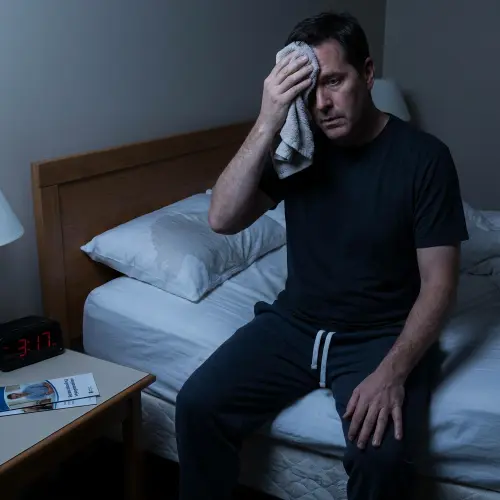
Learn whether betamethasone (Diprolene) night sweats are possible, what raises risk, and how to sleep cooler and know when to call a doctor.
Betamethasone dipropionate, sold as Diprolene, is a strong topical corticosteroid cream that can calm inflamed skin fast, but it can also leave you wondering whether your new night sweats are a medication effect, a medication side effects issue, or a sign of something else. That matters, because broken sleep can pile up into daytime fatigue, irritability, and more steroid use on already stressed skin. This article tackles not only how topical betamethasone plays a role in corticosteroid therapy but also reviews key factors like dosage, hormonal changes, and other medications. We’ll sort out what Diprolene can realistically cause, what it usually does not cause, and what you can do tonight to sleep cooler without guessing.
Yes, Diprolene—a high-potency betamethasone formulation used as both a cream and ointment—can be linked to night sweats, though this side effects profile is less common than with oral medications like prednisone or dexamethasone. Diprolene is usually prescribed for inflammatory skin conditions such as dermatitis, eczema, or even plaque psoriasis, where inflammation is a primary concern. Because it is topical, many people assume it stays on the skin surface. That is a common misconception. Some of the betamethasone can absorb into the bloodstream, particularly if you use it over large areas, under occlusion, on thin skin, or for longer than directed, increasing the risk of side effects like skin thinning, burning, and swelling.
Topical betamethasone can trigger sweating indirectly through systemic absorption, sleep disruption, glucose changes, or skin occlusion. Corticosteroid therapy—even when applied as a cream, lotion, or ointment—affects the body’s temperature regulation and stress hormone signaling, which can be compounded by hormonal changes. With topical Diprolene, the risk is lower than with oral corticosteroids, but it is not zero. The chance rises if you apply it to a big body area, use it more often than prescribed, cover it with wraps or heavy clothing, or use it on thinner skin where absorption is higher.
There is another angle to consider. If Diprolene, which contains betamethasone, relieves a rash but the underlying trigger is an infection, contact irritation, or another medical problem, the medication may not be the real source of the night sweats. Additionally, if you have conditions such as menopause, hyperthyroidism, diabetes, or take medications like SSRIs such as sertraline or fluoxetine, even a mild steroid effect can be enough to tip you into experiencing unwanted medication side effects, including night sweats, itching, or itchiness.
The best options reduce trapped bed heat quickly, and the bFan Bed Fan is the strongest value pick for most hot sleepers.
If your sweating worsens once you’re under the covers, focus on the bed microclimate first. That’s where body heat gets trapped. Even if your room temperature is within an acceptable range, your sleep surface can still feel humid and hot. In addition, if you are on corticosteroid therapy while breastfeeding—or using betamethasone cream for other conditions—ensuring a cool sleeping environment might help reduce other medication side effects.
You can often identify Diprolene as the likely cause by matching the timing, body area treated, and other possible triggers.
Step 1 is timing. Ask yourself when the sweating began. If you started Diprolene and the night sweats appeared within days, that supports a connection with your corticosteroid treatment. Conversely, if you had night sweats for weeks before beginning the prescribed dosage, Diprolene is less likely the main factor.
Step 2 is exposure. Look at how much you used, where you applied it, and whether the area was covered. For example, a thin layer on a small patch of dermatitis is different from repeatedly using the cream over a larger, sensitive area, especially under tight sleepwear or bandages.
 Step 3 is competing explanations. Check for other factors like fever, menopausal symptoms, new medications, low blood sugar, alcohol use, and conditions that might require your doctor’s attention, such as hormonal changes or even unusual medication side effects. Keeping a two-week log with bedtime, Diprolene application time, room temperature, sweating intensity, and any snacks or alcohol intake can help reveal patterns quickly.
Start with your sleep setup rather than adding more prescriptions. Focus on moving trapped heat out from under the covers.
Step 1 is your room. Aim for the sleep medicine standard of 60°F to 67°F if you can. If energy costs or a cold-sleeping partner make that challenging, using a bed fan may allow you to set the whole-house thermostat a bit higher while still getting relief. This also minimizes extra steroid medication side effects that might coincide with overheating.
Step 2 is your bedding. Use a tight-weave top sheet, lighter layers, and skip heavy fleece or thick comforters if you’re sweating. For example, if you’re using Diprolene cream, betamethasone, or an alternative lotion along with an ointment for dermatitis, keeping your bedding cool helps prevent additional skin irritation or itchiness. In rare cases, improper corticosteroid use without consultation may result in burning sensations or even skin thinning.
Step 3 is targeted airflow. A bFan or bed fan at the foot of the bed sends room air under the covers, where the heat is trapped. A common misconception is that these systems cool the air itself—neither the bFan nor products like BedJet actually cool the air. They simply use the cooler air already in your room. If your room is very warm, the relief will be limited.
Prednisone and dexamethasone generally cause night sweats more often than topical Diprolene because whole-body exposure to these medications is much higher. Although betamethasone is a very strong topical corticosteroid, this does not necessarily equate to a higher systemic risk or an increased frequency of medication side effects compared to oral corticosteroids.
Lower-potency corticosteroids, like some over-the-counter creams or lotions, are sometimes preferred to avoid unwanted side effects such as mood shifts and skin thinning. However, the enhanced effect of high-potency betamethasone—particularly on conditions like plaque psoriasis—often justifies its use despite the possible side effects.
For many hot sleepers, targeted bed airflow is more efficient than cooling the entire home. Cooling the whole house may solve the overall problem, but it typically results in paying to chill rooms you are not using. A bed fan targets the exact zone where sweating is worst, under the covers, across the trunk and legs. This is especially useful for patients whose doctor advised using a specific corticosteroid regimen while monitoring for any further medication side effects.
The energy math is simple. A bed fan using about 18 watts is minimal compared with central air conditioning. If only one sleeper is experiencing these issues, local airflow usually makes more sense than setting the thermostat low enough for both people to feel cold. For couples needing different sleep conditions, two bed fans can create dual-zone microclimate control on the same bed.
Pro tip: Assess and fix the bed microclimate first before investing in more expensive whole-home cooling solutions.
Use Diprolene exactly as prescribed by your doctor, applying a thin layer on the smallest effective area, and avoid covering it unless your clinician instructs you to. Overuse can increase your overall corticosteroid absorption and lead to further medication side effects.
Step 1 is dose discipline. More cream does not work faster. This is a common misconception—overapplication only increases the risk of side effects such as skin thinning, burning, or even swelling. Always adhere to the recommended dosage.
Step 2 is placement. High-potency steroids are usually not meant for routine use on sensitive areas like the face, groin, or underarms unless your doctor specifically names these zones. These areas absorb more medication, enhancing the risk of both corticosteroid-induced side effects and local skin irritation, including itchiness or itching.
Step 3 is duration. Diprolene is often prescribed for short courses rather than indefinite nightly use. If your rash or dermatitis keeps returning, it might be time to consult your doctor about a steroid-sparing treatment plan. In some cases, using a lotion or even a mild spray instead of the full-strength cream might be a safer option.
Diprolene may be part of the story, but it should not become a catch-all explanation for drenching night sweats. If the sweating is severe and paired with red-flag symptoms, prompt medical review is necessary as infection, endocrine disease, or even cancer can present similarly.
Be especially cautious if you experience:
If you have trouble breathing, confusion, chest pain, or signs of a serious allergic reaction, seek urgent care immediately.
Your bedding and sleep habits play a vital role in managing the side effects of corticosteroid therapy. Tight-weave sheets, lower humidity, and steady bedtime habits can reduce the cycle of overheating better than thick blankets or fancy gadgets alone.
Remember:
Both bFan and BedJet work on the principle of moving room air into the bed, but bFan is generally the lower-cost and simpler option for addressing steroid-related overheating. It’s important to note what neither product does—they do not cool the actual air. Instead, they circulate the cooler air from your room.
The original Bedfan entered the market several years before BedJet, and the core idea remains: remove trapped body heat from your bedding. A key consideration: a single BedJet unit is more than twice the price of a single bFan unit. A dual-zone BedJet system can exceed a thousand dollars—more than twice the price of buying two bFan units. If your goal is simply to combat night sweats while using Diprolene, betamethasone, and managing other corticosteroids, the price gap is significant.
bFan also remains competitive based on operating sound levels (approximately 28 dB to 32 dB) and energy usage (around 18 watts on average). For anyone following their doctor’s guidance on corticosteroid therapy while keeping an eye on additional medication side effects, bFan provides a cost-effective, low-complexity solution for cooling the bed microclimate.
In summary, whether you are managing dermatitis, plaque psoriasis, or other conditions with betamethasone, remember that careful use of your cream, lotion, or ointment—and agreement on proper dosage and application areas with your doctor—is essential. Combining these practices with targeted cooling strategies can help reduce side effects such as night sweats, burning, and itching, keeping both your sleep and your skin in better condition while you continue your corticosteroid treatment.
Betamethasone, often sold under the brand name Diprolene, is a potent corticosteroid cream or ointment prescribed to reduce inflammation, redness, and itching caused by skin conditions like eczema, psoriasis, and dermatitis. It works by calming your immune system’s response in the affected area, which helps relieve symptoms quickly. Always use it exactly as your doctor directs, since overuse or misuse can lead to side effects.
Some people report experiencing night sweats while using betamethasone, especially if it is used over large areas or for extended periods. Night sweats are not the most common side effect, but corticosteroids can sometimes disrupt your body’s hormone balance, which may lead to sweating at night. If you notice persistent night sweats, talk to your healthcare provider to discuss your symptoms and possible alternatives.
If you’re dealing with night sweats while using betamethasone, try keeping your bedroom cool and wear lightweight, breathable pajamas. Using a bedfan, like the bFan from www.bedfan.com, can help circulate cool air under your sheets, making a big difference in comfort. Sleep experts recommend keeping your room between 60°F and 67°F, and with a bedfan, you can often raise your thermostat by about 5°F and still sleep cool, which can help save on energy bills too.
Yes, there are several alternative treatments if betamethasone causes unwanted side effects like night sweats. Your doctor might suggest a lower-strength steroid, a non-steroidal cream, or other therapies depending on your skin condition and medical history. Never stop or switch medications without consulting your healthcare provider, as they can help you find the safest and most effective option for your needs.
Most people notice improvement in their skin condition within a few days of starting betamethasone, but it can take up to two weeks for full results. Consistency is key, so apply it as prescribed and avoid skipping doses. If you don’t see improvement after two weeks, or if your symptoms worsen, reach out to your doctor for further guidance.
Betamethasone is a strong steroid, so it’s usually not recommended for use on your face, groin, or underarms unless specifically directed by your doctor. These areas are more prone to side effects like thinning skin or irritation. If you need treatment for sensitive skin, ask your healthcare provider about milder options that are safer for delicate areas.
If you forget to apply a dose, use it as soon as you remember. If it’s almost time for your next scheduled application, just skip the missed dose and continue with your regular routine. Don’t double up to make up for a missed dose, as this can increase your risk of side effects.
You can usually use other skin products with betamethasone, but it’s best to apply them at different times to avoid interactions. Wait at least 15 to 30 minutes between applying betamethasone and other creams or lotions. Always check with your doctor or pharmacist before combining treatments, especially if you’re using other medicated products.
To stay cool at night, keep your bedroom temperature on the lower end of the recommended range, use a fan or air conditioner, and choose sheets with a tight weave to help air flow across your body and carry away heat. The bFan bedfan is a great solution for this, as it provides targeted airflow under your sheets, helping you sleep comfortably even if your room is a bit warmer. This can be especially helpful if you’re experiencing medication-related night sweats.