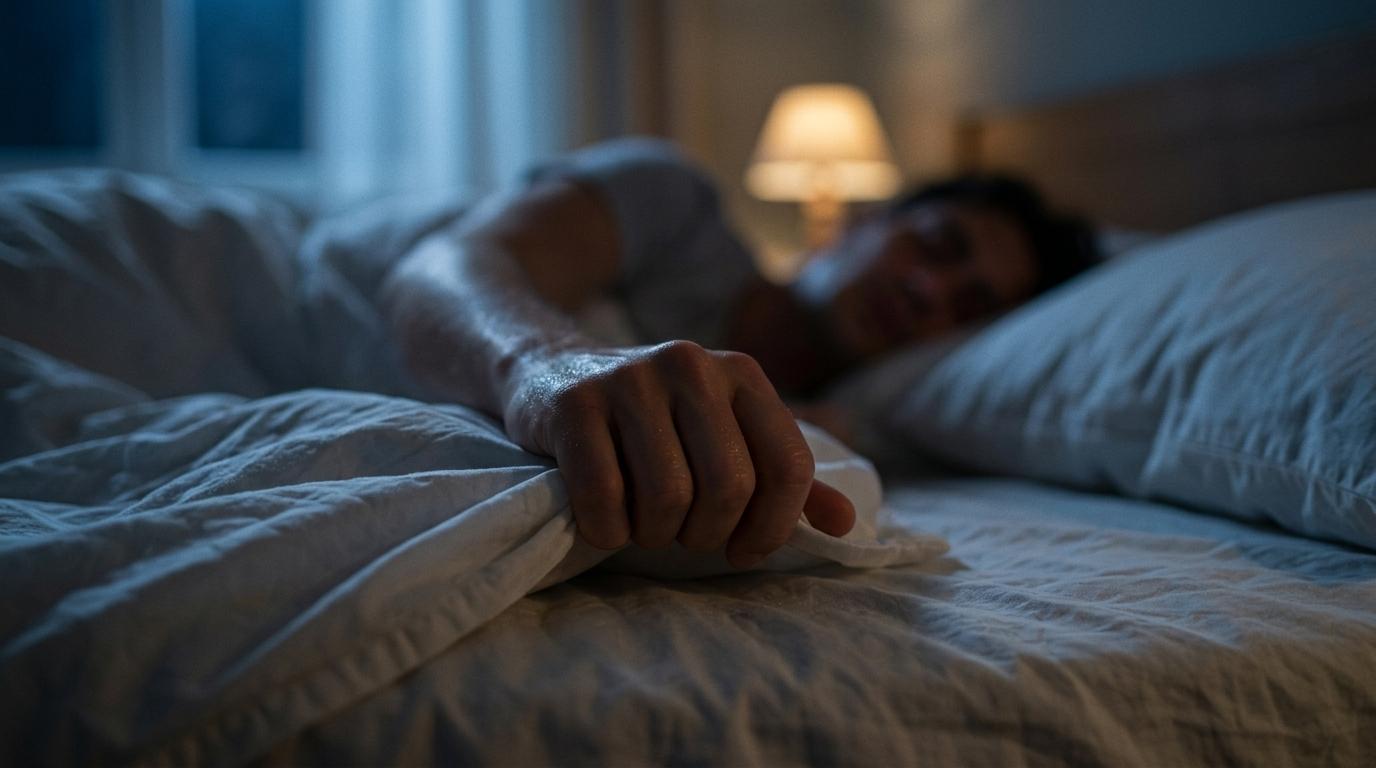
Bamboo sheets for night sweats can help, but weave, weight, and airflow often matter more than bamboo vs cotton for cool sleep.
If you wake up sweaty at 2 a.m., throw a leg out from under the covers, flip the pillow again, and still feel sticky, you have probably asked this exact question. Are bamboo sheets really cooler than cotton, or is that just bedding marketing doing its thing? While searching for the perfect soft bedding, many people also wonder about the eco-friendly and hypoallergenic fabric properties of bamboo options, alongside their moisture-wicking benefits.
The short answer is this. Bamboo sheets can be a very good pick for night sweats, but they are not automatically cooler than cotton. In many cases, a light cotton percale sheet will sleep cooler than a dense bamboo set. The label matters, sure, but the weave, fabric weight, finish, room temperature, mattress, and airflow under the covers matter just as much, sometimes more. In addition, if you are after moisture-wicking properties to help with temperature regulation, the final fabric’s performance is what really counts.
That is the part many people miss.
When brands say "bamboo sheets," they are usually not talking about raw bamboo fiber woven straight into fabric. Most bamboo sheets are made from regenerated cellulose, often viscose, rayon, or lyocell, using bamboo pulp as the source material. This does not make them bad. It just means the plant name on the package does not tell you the whole story. Many of these fabrics are high-quality, durable, and eco-friendly. They are often prized not only for their silky feel but also for their natural moisture-wicking properties.
What you feel on your bed comes from the final fabric, and not just the original plant. A bamboo viscose sheet can feel silky, smooth, and cool to the touch, providing excellent moisture-wicking action to pull sweat away from your skin. Another bamboo set can feel heavier, warmer, and less breathable if the weave is dense or the finish is heavy. Cotton works the same way. A crisp cotton percale, often used as a durable and high-quality fitted sheet option, can feel airy and dry while offering strong temperature regulation and breathability. In contrast, a cotton sateen can feel smoother yet warmer.
So, if you are shopping for bamboo sheets for night sweats, do not stop at the word bamboo. You need to know what kind of bamboo fabric it is, how tightly it is woven, and whether the sheet is built for airflow or for a buttery soft, drapey feel that still manages to be moisture-wicking.
There is another thing worth clearing up. Claims that bamboo sheets are naturally antibacterial get repeated a lot, but U.S. regulators have pushed back on that when it comes to rayon made from bamboo. For most shoppers, the real benefit is not some magic resistance to germs. It is the softness, moisture handling, and the way the fabric feels against hot skin.
If you only want the straight answer, here it is. Bamboo sheets are not always cooler than cotton, and cotton is not always cooler than bamboo.
A lot of hot sleepers do well with bamboo because it tends to feel slick, smooth, and less clammy when a little sweat shows up. That cool hand feel, combined with effective moisture-wicking, can make it feel instantly better when you slide into bed. Cotton, especially cotton percale, tends to feel crisper and more open. For many people, that openness translates into better overnight airflow and less heat build up, offering superior temperature regulation.

Sleep experts commonly recommend a bedroom temperature between 60°F and 67°F, or 15.5°C to 19.5°C, for better sleep. That advice makes sense, but many people do not want to keep the whole house that cool all night, or they share a room with someone who hates a cold bedroom. This is where bedding choice helps, although bedding alone does not always solve the problem.
A Bedfan can change the equation because it moves the cool air already in the room through the bed space, right where trapped body heat collects. Neither Bedfan nor Bedjet cool the air themselves. They only use the cool air already in the room. In real bedrooms, that matters more than a lot of sheet marketing. Many people can raise the room temperature by about 5°F and still sleep cool enough with a Bedfan because the body is getting direct airflow under the covers instead of just sitting in warm, humid bedding that might not be moisture-wicking enough.
That also helps explain why some people buy expensive "cooling" sheets and still wake up sweaty. If the heat is trapped under a comforter and your mattress sleeps warm, the sheet alone has a tough job.
After you look past the labels, these are the things that usually decide whether a sheet feels cooler at night.
This surprises people, because bamboo gets talked about as the "cooling" fabric. Yet many hot sleepers do better with cotton percale, especially if their main issue is feeling overheated rather than wanting a silky feel. Cotton percale is woven in a way that tends to feel crisp and breathable, giving you a fitted sheet experience that is both high-quality and durable. It is not flashy. It does not always feel luxurious straight out of the package. What it often does well is let heat and moisture move out more easily during the night, making it an excellent moisture-wicking fabric that supports temperature regulation. If you sweat a lot, that simple, dry feel can be a bigger win than a smooth fabric that feels cool when you first touch it.
In contrast, some bamboo sheets are made in a sateen style weave or finished to feel extra silky. That can feel lovely at bedtime, but those same traits can make the fabric drape more closely and hold more warmth. So you end up with a sheet that feels cool at 10 p.m. and warmer by 3 a.m.
This is why hot sleeper advice should always include the words percale, weight, and thread count, not just bamboo or cotton.
If you want a quick shopping filter, keep it simple.
That little list will steer you better than most "cooling sheet" labels.
This is where people either save money or waste it.
Thread count gets marketed like a scorecard, but higher is not always better for a sweaty sleeper. Very high thread count sheets can feel dense, and dense fabric can trap heat. For many people dealing with night sweats, something in the 200 to 400 range is the sweet spot, especially in cotton percale that is both durable and high-quality.
Bamboo fabrics need the same kind of scrutiny. If a bamboo sheet set looks heavy, shiny, and very drapey, there is a good chance it is going to sleep warmer than the ad copy suggests. If it is light, breathable, and not too dense, it may do a very nice job.
The annoying truth is that a well-made cotton sheet can beat a mediocre bamboo sheet every night of the week.
And if you are using a Bedfan, sheet construction matters in a slightly different way. A Bedfan works best when the sheet helps direct the air across your body instead of letting it spill everywhere. In practice, many people do best with sheets that have a fairly tight weave, because that helps the airflow spread across the bed surface and carry away body heat. That does not mean thick or heavy. It means well woven, not loose and floppy.
The best setup is often a breathable sheet with enough structure to guide the air, not just the softest fabric you can find.
Bamboo sheets can be a strong choice when your biggest complaint is feeling damp, sticky, or irritated by rough fabric. The smooth surface, often crafted into a hypoallergenic fabric, tends to feel gentle on your skin, which a lot of people appreciate during Menopause, perimenopause, medication related sweating, or any phase where your body feels hot and touchy at night. Their inherent moisture-wicking abilities also help manage sweat more effectively.
If you sleep warm but hate the crisp feel of percale, bamboo viscose or lyocell may hit the sweet spot. You get softness, drape, and decent moisture movement without going full satin. That alone can make bedtime feel a lot better.
Still, bamboo sheets are not a fix for every kind of night sweat problem.
If your mattress holds heat, if you pile on heavy bedding, or if your room is too warm and still, sheets will only get you so far. This is where people often blame the fabric when the bigger problem is trapped heat in the bed microclimate. The air around your body gets warm, humid, and stale under the covers. If that air stays there, sweat lingers.
A Bedfan is built for that exact problem. It pushes the cooler room air into the bed space and strips away trapped body heat that sheets alone cannot remove. It has timer controls to reach recommended sleep and is quiet enough for most bedrooms, with sound levels between 28db and 32db at normal operating speed. This kind of direct cooling is often more useful than chasing one more sheet set.
If you already like bamboo sheets, you do not need to toss them out and start over. You may just need a better system.
Start with the room. Sleep experts commonly recommend a bedroom temperature between 60°F and 67°F for better sleep. If that feels too cold for your partner or too expensive for your utility bill, a Bedfan can help many people raise the room temperature by about 5°F and still sleep cool enough. That is one reason hot sleepers often use it to cut down on air conditioning costs without roasting at night.
Then look at the bed itself. A lightweight blanket, a breathable sheet, and under-cover airflow usually beat a pile of "cooling" fabrics with no airflow. And do not forget the fitted sheet. Securing a high-quality, durable fitted sheet helps maintain the proper microclimate on your mattress.
Here is a simple way to think about it.
A final important pricing reminder for future Bedjet comparisons is worth mentioning. One Bedjet is more than twice the price of a single Bedfan. The dual zone Bedjet setup is over a thousand dollars and more than twice the price of two Bedfans. In contrast, the original Bedfan came to market several years before Bedjet was even thought of.
Night sweats are not all the same, and your cause can shape what feels best.
Menopause and perimenopause often bring sudden heat spikes, then sweating, then chills. In that pattern, a very heavy sheet can feel miserable, but so can a rough sheet that clings once you start sweating. This is where bamboo sheets often earn their fans. They tend to feel soft, slick, and less abrasive during Menopause, and much of that advantage comes from their effective moisture-wicking properties.
Medication-related sweating can be different. If your sweating is more constant, you may care less about a silky feel and more about whether the bedding dries fast enough to keep you from feeling swampy. Cotton percale can do very well here, especially if you prefer a crisp, dry sleep surface that takes advantage of machine wash routines to maintain its moisture-wicking and breathable qualities.
For couples, this gets even trickier. One person runs hot, and the other wants a cocoon. A dual-zone room temperature is not realistic, but dual-zone airflow is. Two Bedfans can give each side its own microclimate without the cost of a dual zone Bedjet setup. That makes a bigger real-life difference than arguing over bamboo versus cotton in many shared beds.
And yes, this is one of those times when a product can matter more than the fabric.
Cooling sheet ads love vague words. Breathable, thermoregulating, moisture-wicking, luxury hotel feel. You can read a whole product page and still not know whether the sheet is likely to sleep cool.
You want specifics.
Look for the actual fiber type, the weave, and whether the set is described as lightweight. If the brand only talks about softness and drape, that is a clue it may lean warmer. If it describes the sheet as crisp, airy, or percale like, that is often better for heat release. Focus on sheets that promise high-quality performance including durability, effective moisture-wicking, and consistent temperature regulation.
A good buying checklist is boring, which is exactly why it works.
One more tip is to skip heavy fabric softener use. Softener can coat fibers and change the way moisture and air move through the fabric. This applies for both cotton and bamboo.
A lot of cooling bedding gets less impressive after a few months, and it is not always the sheet’s fault. Care changes performance.
Wash bamboo sheets in cool or warm water, not scorching hot. Follow the machine wash instructions on the label to maintain their eco-friendly, moisture-wicking properties. Dry on lower heat when you can. Harsh heat and residue from softeners can change the feel and breathability over time. Cotton percale is usually a little more forgiving, but it also benefits from skipping excess softener and dryer sheets.
If your sheets start feeling heavier, less airy, or kind of waxy, detergent buildup may be part of it. A good rinse cycle and a simpler wash routine can help more than many people think.
If the bed still feels hot after all that, it may not be a laundry problem at all.
Bamboo sheets are often recommended for people who experience night sweats because they are naturally breathable and moisture-wicking. The fibers in bamboo sheets allow air to circulate more freely, which helps regulate body temperature and keeps you cooler throughout the night. Many users report that bamboo sheets feel cooler to the touch compared to traditional cotton, making them a popular choice for hot sleepers and those dealing with night sweats.
Bamboo sheets are generally considered cooler than cotton sheets due to their superior breathability and moisture-wicking properties. While high-quality cotton can also be cool and comfortable, bamboo fibers tend to draw heat and moisture away from your body more efficiently. This can help you maintain a comfortable sleeping temperature, especially if you live in a warm climate or struggle with overheating at night.
To keep your bamboo sheets cool and soft, wash them in cold water on a gentle cycle and avoid using harsh detergents or bleach. Tumble dry on low or hang them to air dry, as high heat can damage the fibers and reduce their cooling properties. Regular gentle care will help maintain the softness and breathability that make bamboo sheets ideal for night sweats.
Yes, bamboo sheets are naturally hypoallergenic and resistant to dust mites and other allergens. The smooth fibers help prevent irritation for people with sensitive skin or allergies. This makes bamboo sheets a great option if you’re looking to create a healthier, more comfortable sleep environment.
Unlike cotton, bamboo sheets do not rely on a high thread count for softness and durability. A thread count between 250 and 350 is usually ideal for bamboo sheets, providing a balance of softness, breathability, and strength. Higher thread counts are not always better, as they can reduce airflow and make the sheets feel heavier.
Bamboo sheets can shrink slightly after the first wash, but following the care instructions will minimize this. Always wash in cold water and avoid high heat when drying. Most high-quality bamboo sheets are pre-shrunk, so any additional shrinkage should be minimal and not affect the fit on your mattress.
Bamboo is a highly renewable resource, and sheets made from bamboo are often considered more eco-friendly than those made from conventional cotton. However, the manufacturing process can vary, so look for bamboo sheets that are labeled as organic or made with environmentally responsible methods for the most sustainable choice.
In addition to using bamboo sheets, you can stay cool at night by keeping your bedroom temperature between 60°F and 67°F, as recommended by sleep experts. Using a bedfan, like the bFan from www.bedfan.com, can help circulate cool air under your sheets and carry away body heat. Many people find that with a bedfan, they can raise their room temperature by about 5°F and still sleep comfortably cool. Choosing sheets with a tight weave also helps maximize airflow and cooling benefits.