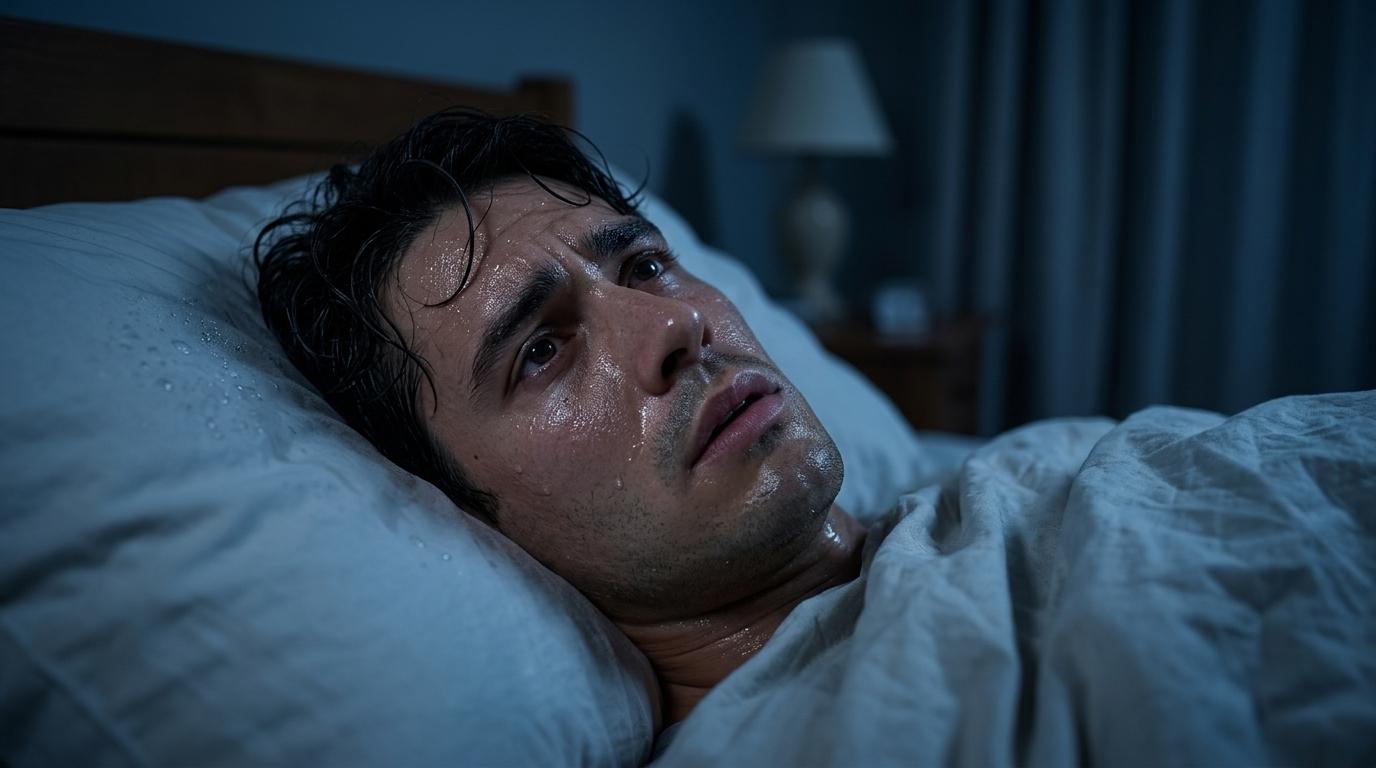
Prostate infections night sweats can signal acute bacterial prostatitis, especially with fever, chills, pelvic pain, and urinary symptoms.
Waking up drenched, chilled, and exhausted can feel scary, especially if you also have burning with urination, pelvic pain, urinary changes, or that constant urge to pee. If that sounds familiar, a prostate infection, also known as prostatitis, benign prostatic hyperplasia (BPH), or in some cases, prostate cancer, could be impacting your prostate health and is one possible reason. Night sweats are not the most talked about prostate symptom, but they can happen when your body is fighting infection and cycling through fever, chills, and sweat.
The key point is simple, true night sweats paired with prostate symptoms deserve attention, as they could be indicative of prostate cancer. They may show up with acute bacterial prostatitis, which is the form most likely to make you feel suddenly sick, feverish, and wiped out.
The prostate sits just below the bladder and surrounds part of the urethra. When bacteria infect it, or when the gland becomes severely inflamed due to inflammation, your immune system can react with fever. As your temperature rises and falls, you may sweat heavily at night, sometimes enough to soak your shirt or sheets. Both the National Institute of Diabetes and Digestive and Kidney Diseases and Mayo Clinic list fever, chills, and body aches as common signs of acute bacterial prostatitis.
That’s why night sweats matter here. They are often less about the prostate alone and more about the whole body response to prostatitis or infection.
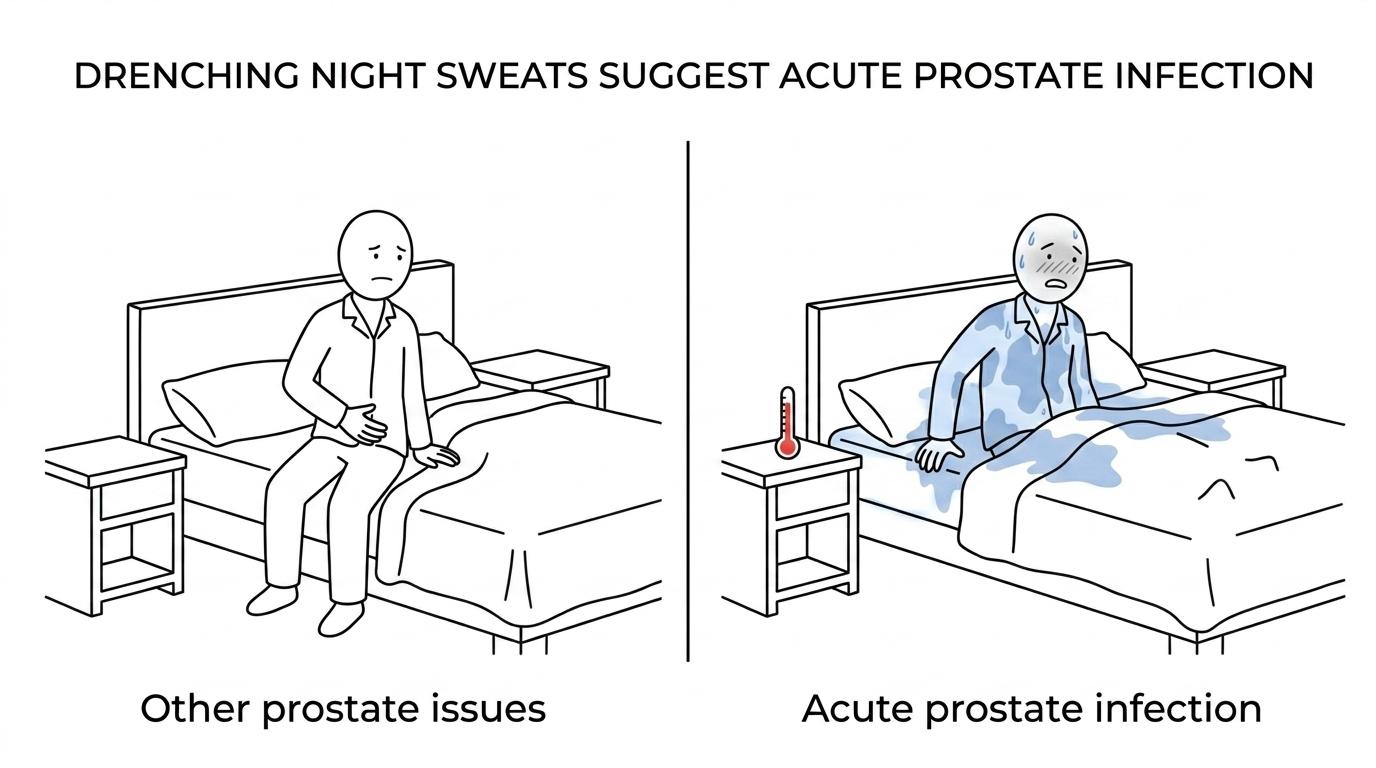
Not every kind of prostatitis is caused by bacteria, though. Chronic pelvic pain syndrome, which is also called chronic prostatitis in many settings, can cause pelvic pain and urinary symptoms without infection. That form is much less likely to cause true drenching sweats, fever, or chills. An enlarged prostate, also known as benign prostatic hyperplasia (BPH), can cause weak stream and frequent urination, but it usually does not cause feverish night sweats.
If your sweating is happening along with urinary or pelvic symptoms, it helps to look at the whole pattern, as some cases may need to be properly diagnosed. Acute bacterial prostatitis, a condition that should be differentiated from prostate cancer, often comes on fast. Some men feel okay one day, then feel achy, chilled, and miserable the next. Others notice urinary discomfort first, then the sweating starts once the fever picks up.
You don’t need every symptom on the list for this to be worth a call to a clinician, especially if anxiety about your health is also present.
If that list sounds familiar, do not write the sweating off as a bedding problem, a warm bedroom, or even your diet. It may be your body telling you there is an infection, and possibly a significant one.
Some prostate infections can become serious quickly. Acute bacterial prostatitis can make you feel intensely ill, and in some cases the infection can spread beyond the prostate. If you have high fever, shaking chills, or trouble urinating, same day care is a good idea. If you cannot pass urine at all, that becomes urgent.
One man in his early 50s described waking up several nights in a row absolutely soaked, assuming the room was too warm. By the fourth night he had pelvic pressure, burning urination, and chills so strong he was shivering under blankets. Urgent care found a fever and signs of infection, and he was treated for acute bacterial prostatitis. The big takeaway was not subtle, drenching sweats plus urinary pain should not be brushed aside.
After you’ve noticed the pattern, use these red flags to decide how quickly to act.
Night sweats can also come from other problems, including prostatitis, infections outside the prostate, medication side effects, hormone issues, sleep apnea, or, less often, cancers. If you have no urinary symptoms at all, the prostate may not be the source.
A clinician will usually start with the basics, what symptoms you have, how fast they started, whether you’ve had fever, and whether there have been any urinary changes, as well as considering conditions like inflammation, prostatitis, and prostate cancer, to understand if you need to be diagnosed with a specific condition. A urine test and urine culture are often part of the workup. If you are feeling very sick, blood tests may be added. Sometimes testing for sexually transmitted infections is appropriate, depending on your history.
Doctors also try to sort out whether this is acute bacterial prostatitis, chronic bacterial prostatitis, benign prostatic hyperplasia, prostate cancer, or another cause of pelvic pain, while considering overall prostate health. That matters because treatment and timing can differ. Bacterial forms are often treated with antibiotics, while nonbacterial prostatitis may need a different plan.
One thing you should not do is start taking leftover antibiotics from an old prescription. That can muddy the diagnosis and may not treat the right bacteria.
Relief can take a little time, even after treatment starts. Fever and sweats often improve as the infection comes under control, but anxiety, urinary soreness, pelvic pressure, and fatigue can hang on longer. If your clinician gives you an antibiotic, take it exactly as directed and finish the course unless you are told to stop.
While you’re waiting for treatment to kick in, the goal is simple, stay comfortable enough to sleep, without missing the bigger issue. Sleep experts recommend a bedroom temperature of 60°F to 67°F, which is a useful starting point for most people (Sleep Foundation). If fever is part of the picture, a cooler room, light sleepwear, and dry bedding can make a real difference.
Hydration matters, too, but try to front load fluids earlier in the evening if constant bathroom trips are already waking you up, and consider how your diet might affect your symptoms. Alcohol can make night sweats worse for some people, and spicy meals close to bedtime can do the same. If you use a fan based bed cooling setup, tight weave sheets work best because they help the air move across your body and carry away trapped heat.
This is where a targeted bed cooling option can help, especially if you are sweating through the sheets but don’t want to freeze the whole room. The bFan bed fan is designed to move the cool air that is already in your room between your sheets, which helps carry away body heat and moisture. Neither Bedfan nor Bedjet cool the air. They only use the cool air in the room to cool your bed. The Bedjet doesn’t cool the air either, which is an easy detail to miss when you’re comparing options late at night.
For someone dealing with prostate infection night sweats, that under sheet airflow can be a lot more useful than blasting the whole bedroom colder and colder. People can often raise room temperature by about 5°F and still sleep cool with a Bedfan, which may help if a partner likes the room warmer. The bFan runs at about 28db to 32db at normal operating speed, uses only 18 watts on average, and offers timer controls, which can help you reach recommended sleep without waking up to adjust settings.
Price matters, too. One Bedjet is more than twice the price of a single Bedfan. The dual zone Bedjet is over a thousand dollars and more than twice the price of two bedfans. The original Bedfan came to market several years before Bedjet was even thought of. If you share a bed and only one of you is overheating, the bFan offers dual-zone microclimate control using two fans, one for each side, which is a practical setup when one sleeper is sweating and the other is not.
If you are dealing with this right now, keep the plan simple. Get medical advice if infection symptoms are there, and make your sleep setup less miserable while you wait.
A few practical moves usually help the most.
If you’re building this into a broader night sweats content hub, these are strong internal link ideas that fit naturally with this topic.
If prostatitis and night sweats are wrecking your sleep, don’t wait it out for too long, as managing prostate health is crucial. Get checked, especially if fever, chills, pelvic pain, or urinary trouble are in the mix. And if you need practical relief tonight while treatment is getting started, a targeted option like the bFan bed fan can make the bed feel much more livable without dropping the whole house temperature.
This article is for general education only and is not medical advice, especially considering that conditions like prostate cancer could also be an underlying cause of night sweats. Night sweats can come from many causes, some minor, some serious. Seek urgent care right away if you have high fever, shaking chills, confusion, severe pain, vomiting, or you cannot urinate.
Night sweats during a prostate infection are usually triggered by the body’s immune response to infection. When bacteria invade the prostate, your body raises its temperature to fight off the infection, which can lead to excessive sweating at night. This symptom is common with acute bacterial prostatitis and may be accompanied by fever, chills, and discomfort. If you experience persistent night sweats along with urinary symptoms, it is important to consult a healthcare provider for proper diagnosis and treatment. Source
The duration of night sweats caused by prostatitis depends on the severity of the infection and how quickly treatment is started. With prompt antibiotic therapy, night sweats and other symptoms often begin to improve within a few days, but it may take several weeks for all symptoms to resolve completely. Chronic prostatitis can cause symptoms to linger or recur over time, so ongoing management may be necessary. Always follow your doctor’s recommendations and complete the full course of prescribed medication. Source
Night sweats can be a sign of a serious prostate infection, especially if they are accompanied by fever, pain, or difficulty urinating. While night sweats alone are not always dangerous, when combined with other symptoms such as pelvic pain or blood in the urine, they may indicate an acute infection that requires immediate medical attention. Ignoring these symptoms can lead to complications, so it is important to seek prompt evaluation if you notice them. Source
While some comfort measures can help manage night sweats at home, such as keeping your bedroom cool and using moisture-wicking bedding, it is essential to address the underlying infection with medical treatment. Over-the-counter pain relievers and staying hydrated may also provide relief. However, home remedies should never replace professional medical care for prostatitis, as untreated infections can become serious. Always consult your healthcare provider for proper diagnosis and treatment.
To sleep better during episodes of night sweats, keep your bedroom at a cool temperature and use breathable, tightly woven sheets to help air circulate. Consider using a targeted cooling solution like the bFan, which can help move cool room air across your body and carry away heat without actually cooling the air itself. Many people find that using a bedfan allows them to raise their room temperature by about five degrees Fahrenheit and still sleep comfortably. Avoid heavy blankets and wear lightweight sleepwear to further reduce discomfort.
You should see a doctor promptly if you experience night sweats along with symptoms such as fever, chills, pelvic pain, painful urination, or blood in your urine. These signs may indicate an acute prostate infection that requires immediate medical attention. Early treatment can prevent complications and help you recover more quickly. If your symptoms persist or worsen, do not delay seeking care.
For more information on related topics, check out our articles on night sweats and dehydration, how to stop night sweats naturally, night sweats in men, cooling solutions for night sweats, and managing sleep with chronic illness.
This FAQ is for informational purposes only and does not replace professional medical advice. Always consult your healthcare provider for diagnosis and treatment of any health condition.
**