Can piperacillin/tazobactam (Zosyn) cause night sweats? Learn causes, warning signs, and practical ways to sleep cooler safely.
If you’re taking piperacillin/tazobactam, often called Zosyn, and waking up sweaty in the middle of the night, you’re not imagining it. Night sweats can happen while you’re on this antibiotic, but the tricky part is that the medicine is not always the only reason. Sometimes the active ingredients piperacillin and tazobactam can have drug interactions with other medications you’re taking, which may enhance side effects such as Zosyn night sweats, diarrhea, nausea, headache, or even seizures in rare cases. It is important to note that while piperacillin works to combat bacteria, tazobactam protects it from enzymatic breakdown, ensuring its effectiveness.
Piperacillin/tazobactam is a combination antibiotic used for serious bacterial infections, and it’s often prescribed when a doctor wants broad coverage, especially for infections in the lungs, abdomen, urinary tract, skin, or bloodstream. Since the people taking it are often pretty sick to begin with, symptoms can blur together.
Yes, some people do report sweating, or more specifically, Zosyn night sweats while taking this antibiotic. That said, night sweats may also come from the infection being treated, a fever breaking, a reaction during or after an IV infusion, or another medication given at the same time. Steroids, pain medicine, acetaminophen, and certain nausea drugs can all add to that overheated feeling, and in some cases these other drugs may interact with piperacillin or tazobactam to produce additional side effects.
So the short answer is, Zosyn night sweats are possible, but they are not always caused by Zosyn alone.
There are a few common reasons people sweat at night while on piperacillin/tazobactam, and some are relatively mild while others need faster attention.
If you’re in the hospital or recovering at home with IV antibiotics, your body may already be cycling through fever, chills, and sweating as it responds to infection, and when a fever breaks it can feel dramatic. Your gown or sheets may get damp fast, even if the room itself is cool.
There’s also the possibility of a medication side effect or sensitivity. Not every reaction looks like a full allergy, and sometimes people notice flushing, warmth, sweating, or feeling generally unwell around the time the medication is infused. Additionally, while nausea, headache, or diarrhea are common side effects of various medications, in rare cases seizures have also been reported, typically when drug interactions amplify these responses. In some instances an unexpected reaction to the piperacillin may indicate that your body is more sensitive to the antibiotic, while fluctuations in tazobactam levels could also contribute to these effects.
Keep in mind that monitoring reactions related to piperacillin is important, as extra sensitivity may require adjustments in dosing or additional supportive measures.
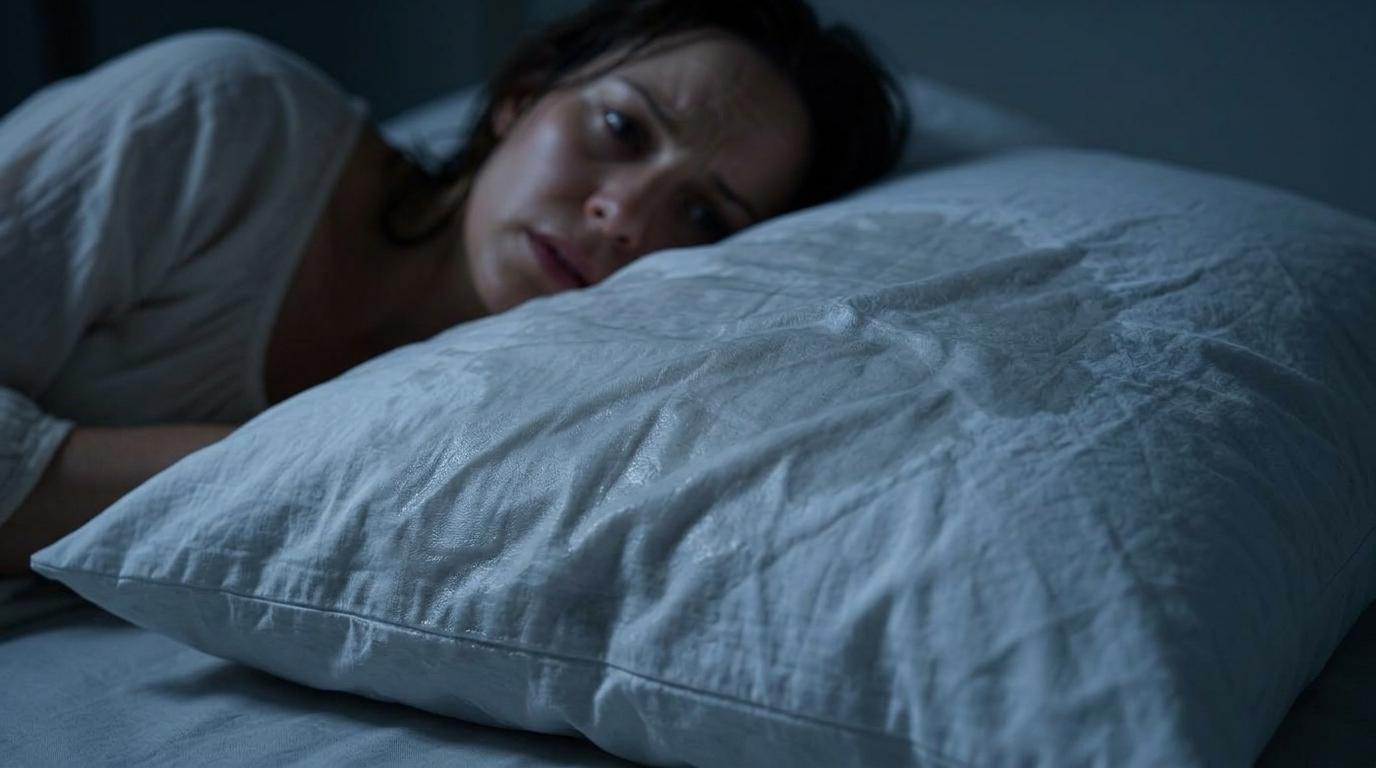
Night sweats are more than “I felt a little warm.” Most people mean they wake up damp or soaked, sometimes enough to change pajamas or bedding, and you may feel chilled right after because sweat evaporates quickly and your body is still trying to regulate its temperature.
Some people notice a pattern, and they may feel fine when they fall asleep, then wake up one to three times in the night with a hot chest, sweaty neck, or wet pillow. Others get a wave of heat right after their evening dose. If you’re on IV antibiotics at home, that pattern is worth writing down, and if you experience additional side effects like nausea, headache, or diarrhea, note those details too, as they might help your care team assess whether drug interactions with piperacillin or tazobactam are playing a role.
A simple symptom note on your phone can help more than you’d think. Track when the dose was given, when the sweating started, whether you had a fever, and whether you also had itching, rash, shortness of breath, diarrhea, or new pain. That gives your medical team useful detail quickly.
These details help separate a miserable but expected symptom from something that needs faster follow up.
Night sweats by themselves are not always an emergency, but sometimes they come with signs you should not brush off, especially with antibiotics, because allergic reactions and worsening infections can both start with symptoms that seem vague at first.
Call your doctor, nurse, or infusion team, or seek urgent care based on how severe things are if the sweating comes with other concerning changes, and if you are in the hospital, tell the nurse right away.
It is also worth noting that an unusual reaction to piperacillin may suggest intolerance, and if tazobactam levels are uneven, reviewing your treatment plan with your care team becomes even more important. If the night sweats continue after the infection is clearly improving, or they start getting worse after several doses, ask whether the treatment plan should be reviewed. Sometimes your clinician may want labs, a change in antibiotic, or a closer look at other medications in the mix, especially if there is concern for drug interactions affecting the piperacillin or tazobactam component.
This part can be frustrating because there isn’t always one perfect answer. Doctors usually look for patterns, and they’ll ask when the sweats started, whether you had them before Zosyn, how your fever curve looks, what your blood work is doing, and whether you have other symptoms that point to a reaction. If you’re on home infusion, your nursing notes and infusion timing can be very helpful.

They may also look at the reason you were prescribed Zosyn in the first place, because pneumonia, abdominal infections, abscesses, and bloodstream infections can all cause persistent night sweats. If those sweats improve as the infection improves, that points one way, and if you’re improving overall but sweating more after each dose, that points another way. A careful evaluation can help distinguish between general infection-related night sweats and specific piperacillin/tazobactam side effects related to drug interactions.
In some cases, it’s a mix of both.
Even when the cause is still being sorted out, you still need sleep, and poor sleep makes everything feel harder, including recovery.
Start with the basics. Sleep experts recommend a bedroom temperature between 60°F and 67°F, and if you’re waking up hot, look at your bedding first. Heavy comforters, foam mattress toppers, and synthetic sleepwear can trap heat against your skin. Tight weave sheets often work better with under sheet airflow because they help spread the moving air across your body and carry away trapped heat.
If your room is already cool and you still wake up sweaty, targeted bed cooling can help. A lot of people assume products like Bedjet or a bed fan actually chill the air, but neither Bedfan nor Bedjet cool the air, and they only use the cool air already in the room to cool your bed. The Bedjet doesn’t cool the air, and neither does a bed fan. What they do is move that cooler room air under the covers so heat doesn’t get trapped around you.
One option worth looking at is the bFan bed fan, especially if your night sweats are tied to medication, menopause, or just sleeping hot in general. The original bedfan came to market several years before Bedjet was even thought of, and the idea is simple, move heat out from under the covers so your body can settle down faster. The bed fan uses only about 18 watts on average, runs at a sound level between 28db and 32db at normal operating speed, and includes timer controls to help you reach the recommended sleep window. Many people can raise the room temperature by about 5°F and still sleep cool.
For couples, the bedfan offers dual-zone microclimate control using two fans, one for each sleeper, which is useful when one person is sweating from medication or hormonal changes and the other person is already cold. Remember, one Bedjet is more than twice the price of a single bedfan, and the dual-zone Bedjet is over a thousand dollars and more than twice the price of two bedfans, so keep that in mind for future comparisons.
Think in layers, cooling, hydration, timing, and communication. If you know the sweating tends to hit after an evening infusion, it may help to set up your room ahead of time instead of waiting until you wake up drenched. A lighter blanket, a dry shirt, water at the bedside, and a towel over the pillow can make the night less disruptive.
Hydration matters, too, and sweating can leave you feeling wrung out by morning. If your doctor has not told you to limit fluids, sip water during the day and keep some nearby at night. If you’re dealing with vomiting, diarrhea, or poor appetite as well as nausea or headache, let your care team know because dehydration can sneak up on you. This is especially important when there is concern about drug interactions with piperacillin or tazobactam causing additional side effects. In fact, keeping an eye on piperacillin levels can help distinguish between expected reactions and problematic side effects.
Don’t stop Zosyn on your own just because you’re sweating. If the drug is treating a serious infection, stopping it without guidance can create a much bigger problem, so report the symptom clearly, include the timing, and mention whether it seems linked to each dose.
When you talk with your doctor or nurse, a few focused questions can save time and get you better guidance.
If you’re recovering at home, keep it simple, write down your temperature, infusion time, and the time you woke up sweating. That small habit can make it much easier to spot whether this is part of the infection, part of the treatment, or both. Additionally, if piperacillin-related side effects seem to intensify, mentioning this observation might help clarify if tazobactam interactions are also at play.
And if the nights are wrecking your sleep, cooling the bed itself can make a real difference while the medical side gets sorted out. A cooler sleep setup, lighter bedding, and an under sheet option like a bFan can make those rough nights more manageable without turning your whole house into a refrigerator.