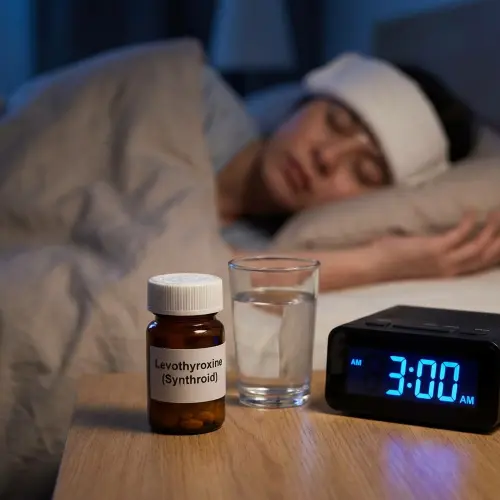
Experiencing levothyroxine Synthroid night sweats may signal a hormone imbalance; management can enhance sleep quality and life.
Night sweats can be a distressing symptom, especially when they disrupt sleep and impact quality of life. For individuals taking levothyroxine (brand name Synthroid), a medication commonly prescribed for hypothyroidism, night sweats may be an unexpected and uncomfortable side effect. This comprehensive article explores the relationship between levothyroxine/Synthroid and night sweats, delving into the underlying mechanisms, risk factors, management strategies, and the importance of optimizing sleep environments—including the use of innovative solutions like the Bedfan (bFan).
Levothyroxine is a synthetic form of the thyroid hormone thyroxine (T4), prescribed to treat hypothyroidism—a condition where the thyroid gland does not produce enough hormones. Synthroid is one of the most widely used brand names for levothyroxine. The medication works by supplementing the body’s natural thyroid hormone levels, thereby restoring normal metabolism, energy, and bodily functions. Proper management of hypothyroidism is essential to prevent complications, including disruptive symptoms like night sweats.
Night sweats refer to episodes of excessive sweating during sleep that can soak pajamas and bedding. While occasional sweating at night can be normal, persistent or severe night sweats may indicate an underlying medical issue or a side effect of medication. Additionally, a hormone imbalance may also play a role in triggering these symptoms.
Levothyroxine is designed to normalize thyroid hormone levels, but if the dose is too high, it can lead to symptoms of hyperthyroidism (overactive thyroid), even in patients being treated for hypothyroidism. One of the hallmark symptoms of hyperthyroidism is increased metabolic rate, which can result in:
Several case reports and clinical studies have documented sweating and heat intolerance as side effects of levothyroxine therapy, particularly when dosages are not well-matched to individual needs. Comprehensive thyroid testing, including TSH, Free T4, and Free T3, is often used to fine-tune the medication dose.
For patients with hypothyroidism, regular testing and careful dose management are crucial to avoid additional symptoms like night sweats.
If you are experiencing night sweats while on levothyroxine, watch for other signs of overmedication, such as:
If these symptoms occur, consult your healthcare provider and speak with your doctor to ensure that your dosage is appropriate.
A cool, comfortable sleep environment can significantly reduce the discomfort of night sweats. Consider the following strategies:
One of the most effective and innovative solutions for managing night sweats is the Bedfan (also known as bFan or Bed Fan). The Bedfan is designed to deliver a gentle, adjustable stream of air under your sheets, directly targeting the area where heat and moisture accumulate.
Benefits of the Bedfan:
Many individuals with medication-induced night sweats, including those on levothyroxine for hypothyroidism, have found significant relief using the Bedfan. It’s a practical, non-pharmacological solution that can be used alongside other management strategies.
Night sweats can sometimes signal a more serious underlying condition. Contact your healthcare provider if you experience:
Remember to follow up with regular testing, as your doctor will want to ensure that your thyroid levels remain optimal.
Yes, some individuals may experience night sweats even when their thyroid hormone levels are within the normal range. This can be due to individual sensitivity to hormone fluctuations or how the body metabolizes levothyroxine. If you notice persistent night sweats, discuss this with your healthcare provider for further evaluation and thyroid testing.
Night sweats related to levothyroxine often occur alongside other symptoms of over-replacement, such as palpitations, anxiety, weight loss, or insomnia. If your night sweats started after a dose change or are accompanied by these symptoms, it’s important to have your thyroid levels checked by your doctor and consider follow-up testing.
If you develop night sweats after starting or adjusting your levothyroxine dose, do not stop the medication on your own. Keep a symptom diary and contact your healthcare provider. They may order blood tests and additional testing to check your thyroid function and adjust your dose if necessary.
Yes, you can take several steps to manage night sweats, such as keeping your bedroom cool, wearing moisture-wicking sleepwear, and using cooling devices like the Bedfan. These strategies can help you stay comfortable while your provider evaluates your medication regimen for hypothyroidism.
Night sweats may improve within a few days to weeks as your body adapts to the new hormone levels. However, if symptoms persist beyond a few weeks or worsen, follow up with your healthcare provider to ensure your thyroid levels are appropriate.
Absolutely. The Bedfan is specifically designed to provide targeted airflow under your sheets, helping to cool your body and reduce discomfort from night sweats. Many people find it to be an effective, non-pharmacological solution for improving sleep quality when dealing with night sweats.
While night sweats themselves are not usually dangerous, they can be a sign of overmedication or other underlying issues. Chronic over-replacement of thyroid hormone in patients with hypothyroidism can increase the risk of heart problems and bone loss, so it’s important to address the cause with your healthcare provider.
No, you should never stop taking levothyroxine without consulting your healthcare provider. Abruptly stopping thyroid medication can lead to serious health consequences. Instead, report your symptoms to your doctor so they can assess your thyroid levels and adjust your treatment plan safely.
As highlighted earlier, the Bedfan is a game-changer for those struggling with night sweats, especially when related to medications like levothyroxine used to manage hypothyroidism. Unlike traditional fans or air conditioning, the Bedfan targets the source of discomfort—trapped heat and moisture under the covers—without overcooling the room or disturbing your sleep partner.
Why Choose the Bedfan?
If you’re searching for a practical, non-invasive way to manage medication-induced night sweats, the Bedfan from bedfan.com is highly recommended by many users and sleep specialists.
Night sweats are a recognized side effect of levothyroxine (Synthroid), particularly when dosages are too high or hormone levels fluctuate. While uncomfortable, night sweats can often be managed through careful medication monitoring, lifestyle adjustments, and optimizing the sleep environment. The Bedfan (bFan) stands out as an effective, user-friendly solution for those seeking immediate relief from night sweats without relying on additional medications.
For patients with hypothyroidism, ensuring proper thyroid testing and adherence to treatment guidelines is key to managing symptoms. If you are experiencing persistent night sweats while taking levothyroxine, consult your healthcare provider and speak with your doctor to ensure your thyroid levels are optimal and to explore supportive measures like the Bedfan to enhance your comfort and sleep quality.
Yes, some individuals may experience night sweats even when their thyroid hormone levels are within the normal range. This can be due to individual sensitivity to hormone fluctuations or how the body metabolizes levothyroxine. If you notice persistent night sweats, discuss this with your healthcare provider for further evaluation and thyroid testing.
Night sweats related to levothyroxine often occur alongside other symptoms of over-replacement, such as palpitations, anxiety, weight loss, or insomnia. If your night sweats started after a dose change or are accompanied by these symptoms, it’s important to have your thyroid levels checked and follow up with additional testing by your doctor.
If you develop night sweats after starting or adjusting your levothyroxine dose, do not stop the medication on your own. Keep a symptom diary and contact your healthcare provider. They may order blood tests and further thyroid testing to check your thyroid function and adjust your dose if necessary.
Yes, you can take several steps to manage night sweats, such as keeping your bedroom cool, wearing moisture-wicking sleepwear, and using cooling devices like the Bedfan. These strategies can help you stay comfortable while your provider evaluates your medication regimen for hypothyroidism.
Night sweats may improve within a few days to weeks as your body adapts to the new hormone levels. However, if symptoms persist beyond a few weeks or worsen, follow up with your healthcare provider to ensure your thyroid levels are appropriate.
Absolutely. The Bedfan is specifically designed to provide targeted airflow under your sheets, helping to cool your body and reduce discomfort from night sweats. Many people find it to be an effective, non-pharmacological solution for improving sleep quality when dealing with night sweats.
While night sweats themselves are not usually dangerous, they can be a sign of overmedication or other underlying issues. Chronic over-replacement of thyroid hormone, especially in patients with hypothyroidism, can increase the risk of heart problems and bone loss, so it’s important to address the cause with your healthcare provider.
No, you should never stop taking levothyroxine without consulting your healthcare provider. Abruptly stopping thyroid medication can lead to serious health consequences. Instead, report your symptoms to your doctor so they can assess your thyroid levels and adjust your treatment plan safely.
By understanding the connection between levothyroxine (Synthroid) and night sweats, and by taking proactive steps—including considering solutions like the Bedfan—you can regain restful, comfortable sleep and better manage your thyroid health. Regular testing and consultation with your doctor are vital for keeping hypothyroidism and any associated symptoms under control.
By understanding the connection between levothyroxine (Synthroid) and night sweats, and by taking proactive steps—including considering solutions like the Bedfan—you can regain restful, comfortable sleep and better manage your thyroid health.