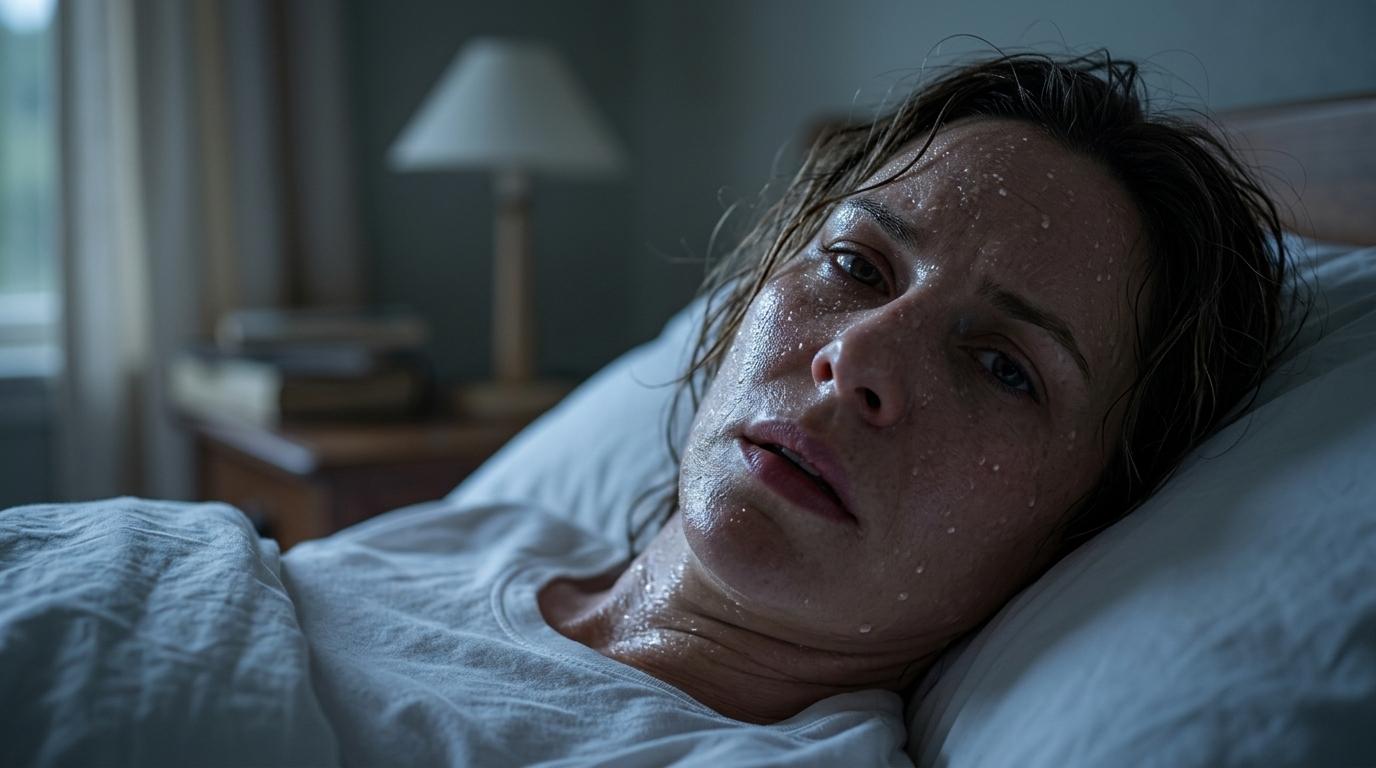
If you’re reading this, you or someone you care about is probably dealing with night sweats while on Foscarnet, also known by its brand name Foscavir. Whether you’re researching Foscavir usage for treating cytomegalovirus, AIDS, or other serious viral infections, you might be waking up drenched, tossing and turning, or just plain uncomfortable. Night sweats can be a real pain, especially when you’re already managing a serious infection or condition that requires a powerful antiviral like Foscarnet sodium. Let’s sit down together, grab a cup of coffee, and really dig into what’s going on, why these sweats happen, and what you can do about them. I’m here to walk you through everything you need to know in plain language, offering plenty of practical tips and a few product recommendations that might just make your nights a whole lot better.
What Is Foscarnet (Foscavir) and Why Is It Used?
First things first, let’s talk about what Foscarnet sodium actually is. Foscarnet, or Foscavir, is an antiviral medication most commonly used to treat infections caused by viruses like cytomegalovirus (CMV) and herpes simplex virus (HSV). It’s particularly useful when other treatments like acyclovir are not effective, or when patients have developed acyclovir resistance. People with compromised immune systems, such as those with AIDS or patients who have undergone organ transplants, often follow specific Foscavir usage protocols to manage their infections. Foscarnet works by blocking the action of viral enzymes, stopping the virus from multiplying. It’s a powerful drug that is usually administered intravenously in a hospital or clinic setting.
Because medications like foscarnet are used for tough infections and in high-risk patients, including those with renal issues or other kidney problems, the side effects can be challenging, too. Besides night sweats, patients might experience an array of side effects such as nausea, headache, diarrhea, vomiting, and in rare cases even seizures or anaphylaxis. Additionally, there can be renal toxicity that requires close monitoring of electrolytes, including levels of magnesium, calcium, and potassium, due to potential imbalances.
What Are Night Sweats, Really?
Before we dive into why Foscarnet causes night sweats, let’s be clear on what night sweats really are. We’re not talking about just feeling a little warm under the covers. Night sweats are episodes of excessive sweating during sleep, often so much that you wake up soaked, sometimes needing to change your pajamas or even your sheets. Sweating is normal, but the persistent heavy sweating seen during Foscavir treatments can be both uncomfortable and concerning.
Night sweats can be triggered by various factors, ranging from the side effects of medications to hormonal changes, infections, and even anxiety. When you’re on a medication like Foscarnet, it’s important to figure out whether the sweats are solely a medication side effect, a response to the underlying infection (like CMV retinitis), or perhaps due to other contributing factors.
Why Does Foscarnet (Foscavir) Cause Night Sweats?
Let’s get into the nitty-gritty reasons behind the night sweats caused by Foscarnet:

- Direct Side Effect of the Drug: Foscarnet can impact your body’s temperature regulation by affecting your hypothalamus, the part of your brain that controls body temperature. This alteration can lead to fevers, chills, and yes, night sweats.
- Immune System Response: If you’re taking Foscarnet, your immune system is probably already working overtime fighting the virus, whether it’s CMV or another infection. During this battle, cytokines are released, which can trigger fevers and excess sweating.
- Electrolyte Imbalances: Foscarnet can cause changes in your blood chemistry, leading to fluctuations in calcium, magnesium, and potassium levels. These imbalances contribute not only to sweating, but also to complications such as muscle cramps, kidney issues, and even seizures if the levels drop too drastically.
- Underlying Infection: Sometimes it isn’t the medication at all but rather the infection being treated, such as CMV or other conditions like retinitis. Infections can cause fevers and sweats as your body fights off the virus.
How Common Are Night Sweats with Foscarnet?
You’re not the only one experiencing night sweats on medications such as Foscarnet or Foscavir. While not everyone experiences them, night sweats and related side effects are well-known among patients using Foscavir. In various clinical studies, a significant number of patients have reported excessive sweating, chills, and fever while on the medication. The combination of Foscavir usage in high-stress clinical situations, along with other complications like nausea or headache, contributes to these discomforts. The good news is that for most people, these symptoms are manageable, and there are ways to help make your nights more comfortable.
What Do Night Sweats Feel Like on Foscarnet?
If you’re dealing with night sweats, you know it’s more than just a little discomfort. Here’s what you might experience:
- Waking Up Soaked: You might wake up in the middle of the night with your pajamas and sheets drenched, feeling the intense effects of the medication.
- Chills After Sweating: Sometimes, after a big sweat, you’ll feel bitterly cold and clammy; the sudden shift might even cause muscle cramps and remind you of the potential renal toxicity of the treatment.
- Interrupted Sleep: All the sweating and waking up can severely disrupt your sleep cycle.
- Fatigue During the Day: Without proper sleep, you might face fatigue, irritability, and difficulty concentrating, much like the lingering effects of nausea or headache that some patients report.
When Should You Be Concerned?
Most of the time, night sweats are just an annoying side effect of Foscavir (foscarnet) usage. However, they can sometimes signal a more serious issue. Call your doctor if you experience:
- High Fever: If your fever is over 101°F (38.3°C) and doesn’t recede, it might suggest complications beyond typical side effects.
- Shortness of Breath or Chest Pain: These symptoms could be signs of underlying problems, potentially linked to kidney issues or cardiovascular stress.
- Severe Muscle Cramps or Weakness: This might indicate dangerous electrolyte imbalances that increase the risk of seizures.
- Confusion or Trouble Waking Up: These symptoms should be addressed immediately, as they may be connected to significant toxicity or insufficient medication clearance.
How to Manage Night Sweats While on Foscarnet
Here are some practical steps you can take to make your nights more comfortable, even while managing the side effects of Foscavir:
1. Keep Your Bedroom Cool
- Temperature Control: Sleep experts recommend keeping your bedroom between 60°F and 67°F. This ideal temperature can help reduce the intensity of night sweats.
- Improve Airflow: Use a fan or bed fan like the bFan from www.bedfan.com to improve air circulation. The bFan uses only 18 watts on average and operates quietly between 28db and 32db at its normal speed. If you share your bed, take advantage of its dual-zone microclimate control for personalized cooling.
2. Choose the Right Bedding
- Lightweight, Breathable Sheets: Opt for sheets made from natural fibers like cotton or bamboo that wick moisture away from your skin.
- Tight Weave: Using sheets with a tight weave can better channel the cool air produced by the bed fan across your body and help carry away the heat.
- Lighter Comforters: Avoid heavy comforters and opt for lighter layers to manage your body temperature during intense sweating bouts.
3. Dress for Comfort
- Moisture-Wicking Pajamas: Choose sleepwear made from moisture-wicking fabrics that pull sweat away from your skin, keeping you drier throughout the night.
- Extra Set of Clothes: Keep an extra set of pajamas nearby so you can change quickly if you wake up soaked.
4. Stay Hydrated
- Drink Water: Heavy sweating can lead to dehydration, so it’s important to drink fluids throughout the day, including those that replenish electrolytes.
- Electrolyte Drinks: Consider electrolyte drinks if your doctor agrees, especially since electrolyte imbalances can add to complications like nausea or headache.
5. Talk to Your Doctor
- Medication Adjustment: If side effects such as headaches, nausea, or even seizures become too troublesome, consult your doctor who may adjust your dose or the timing of your Foscavir or foscarnet administration.
- Rule Out Other Causes: Make sure that your night sweats aren’t due to other concurrent conditions or infections, such as retinitis or secondary complications from the original illness.
6. Try a Bedfan for Better Sleep
- Dual-Zone Microclimate Control: The bFan provides dual-zone control, allowing you and your partner to enjoy individually tailored cooling. This can be especially comforting when one partner is dealing with extra symptoms like dizziness or exhaustion.
- Cost-Effective Solution: Compared to a dual-zone Bedjet, which costs over a thousand dollars and is more than twice the price of two bedfans, the bFan is an affordable solution.
- Timer Controls: The bFan offers timer controls to help you reach and maintain the recommended sleep temperature.
- Quiet Operation and Energy Efficient: With average energy use of 18 watts and noise levels between 28db and 32db, the bed fan won’t disturb your sleep even if you live in a busy household.
Comparing Bedfan and Bedjet: What’s the Best Solution for Night Sweats?
You might have heard about the Bedjet, another popular bed cooling system, which can be especially beneficial for managing the heat produced by medications such as foscarnet. Here’s a quick comparison:
- Price: The dual-zone Bedjet is over a thousand dollars and more than twice the price of two bedfans, while the bFan is a much more cost-effective solution.
- Cooling Method: Neither the Bedfan nor the Bedjet cools the air; they both use the cool air already in your room to help cool your bed, which is particularly useful if you need to counteract fever or the heat produced by Foscavir side effects.
- Energy Use: The bFan’s modest energy consumption makes it an efficient option.
- Noise Level: Thanks to its quiet operation at between 28db and 32db, the bFan ensures that you won’t be woken up by excessive noise.
- History: The original Bedfan has been in use several years before the Bedjet came on the market, proving its effectiveness over time.
- Microclimate Control: With dual-zone microclimate control, each partner can have a tailored cooling environment, which can be a breath of fresh air during harsh nights.
The Science Behind Night Sweats and Sleep
Let’s take a quick detour into understanding sleep, temperature regulation, and heart rhythm. Your body’s core temperature naturally drops at night to help you fall and stay asleep. When you’re dealing with night sweats, whether they’re triggered by the immune response to cytomegalovirus, the toxicity of Foscavir, foscarnet sodium, foscarnet, or other side effects like nausea and headache, this cooling process can be disrupted, which aids in maintaining sleep quality.
- Sleep Environment Recommendations: Experts advise keeping your bedroom between 60°F and 67°F for optimal sleep. Some users have even found that using a bedfan like the bFan allows them to raise the room temperature by about 5°F while still enjoying a cool, comfortable sleep.
Other Tips for Managing Night Sweats
Here are a few extra ideas to help you stay cool and comfortable:
- Cool Shower Before Bed: Taking a cool shower can help lower your body temperature, reduce the likelihood of night sweats, and alleviate related symptoms like headache.
- Keep Airflow Going: Consistent airflow, using a fan or an air purifier, can maintain a cooler, fresher room environment, especially beneficial for those experiencing night sweats related to foscarnet treatment.
- Avoid Triggers: Steer clear of spicy foods and alcohol before bed as both can trigger extra sweating.
- Practice Relaxation: Techniques such as deep breathing, meditation, or gentle stretching might help ease stress and anxiety that can worsen night sweats.
When Night Sweats Are a Sign of Something More
While night sweats due to Foscavir are common, they can sometimes indicate a more serious underlying issue related to the use of foscarnet. If you experience other symptoms like unexplained weight loss, persistent fever, swollen lymph nodes, or new onset retinitis, it’s important to consult your doctor. These could be signs of an underlying infection, additional toxicity from the medication, or another health problem that needs attention.
Frequently Asked Questions About Foscarnet (Foscavir) Night Sweats
Q: How long do night sweats last while on Foscavir?
A: It varies from person to person. Some individuals experience night sweats only during the first few days or weeks of treatment, while others may have them persist as long as they’re on the medication. If your sweats are severe or accompanied by troubling side effects such as vomiting, diarrhea, or seizures, make sure to consult your doctor.
Q: Can I take anything to stop the night sweats?
A: There isn’t a specific medication to stop night sweats directly caused by Foscavir. However, modifying your sleep environment, staying well-hydrated, and monitoring for other symptoms like nausea or headache can help. In some cases, your doctor may adjust your medication to better manage side effects related to aids.
Q: Is it safe to use a bedfan or similar device while on Foscavir?
A: Absolutely. Using a bedfan such as the bFan can greatly improve your comfort and sleep quality during Foscavir treatment. Just be sure to keep your bedding clean and dry to minimize the risk of skin irritation especially if you’re experiencing additional side effects like anaphylaxis.
Q: Should I be worried about dehydration?
A: Excessive sweating can lead to dehydration. It’s important to drink plenty of water and perhaps use electrolyte drinks if recommended by your doctor, particularly if you’re facing complications such as kidney issues or changes in heart rhythm. Electrolytes can help maintain proper hydration levels and support muscle and nerve function during your treatment.
Real-Life Stories: Coping with Night Sweats on Foscarnet
Sometimes, it helps to hear from others who have managed these challenges:
- Maria’s Experience: “The night sweats were the worst part of my treatment. I’d wake up soaked every night while battling cytomegalovirus. I started using a bedfan and it made a huge difference. It’s comforting to know I wasn’t alone, especially when I was also worried about potential side effects like seizures or kidney problems.”
- James’ Experience: “I was skeptical about using a bedfan at first, but after a week of terrible sleep and dealing with symptoms such as nausea and headache, I gave it a try. It was a game-changer. I also switched to lightweight sheets and started drinking more water during the day to manage my overall discomfort from Foscavir.”
- Lisa’s Experience: “My doctor recommended keeping my room cooler and using a fan. I found that the bFan worked better than anything else I tried. It was quiet, easy to use, and didn’t cost a fortune like some of the high-end alternatives out there. Plus, it helped me manage side effects like diarrhea and vomiting that sometimes came with my Foscavir treatment.”
Final Thoughts: You’re Not Alone
Dealing with night sweats while on Foscavir can be challenging, but remember that you’re not alone. With a few simple modifications to your sleep environment, the right bedding and sleepwear, and perhaps some help from a bedfan like the bFan from www.bedfan.com, you can manage the discomfort—even with the known side effects of Foscavir such as renal toxicity, nausea, headache, and other complications. Always consult your healthcare team if you’re struggling or if new symptoms like retinitis or anaphylaxis appear. They are there to help you navigate your treatment safely.
Take care of yourself, stay cool, and remember, you’ve got this.
If you’ve made it this far, thanks for sticking with me. I hope this guide has given you the information and confidence you need to tackle night sweats head-on. Sleep well, stay cool, and remember, you’ve got this.