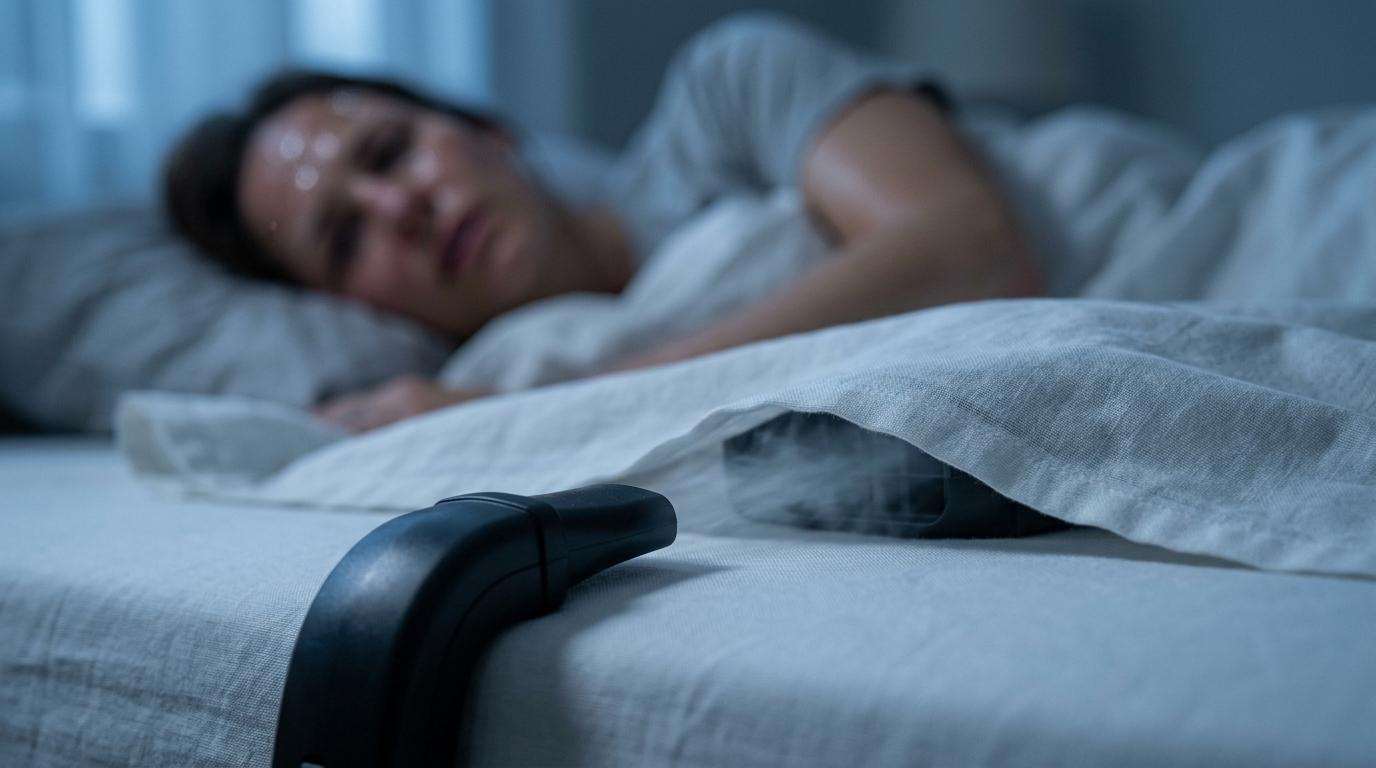
Learn how efavirenz (Sustiva) night sweats feel, why they happen, when to call your doctor, and practical ways to sleep cooler.
If you’re taking efavirenz, often known by the brand name Sustiva, and waking up sweaty in the middle of the night while managing hiv, you’re not imagining it. Night sweats can happen with this medication, and they can be frustrating enough to chip away at sleep, energy, and patience. In addition to these side effects, many patient experiences include sleep disturbances, mood changes such as insomnia and even depression, so keeping track of your overall well‐being is important.
The tricky part is that night sweats are not unique to Sustiva, which is another name for efavirenz. They can also show up with infections, hormone changes, anxiety, blood sugar swings, or a room that is just too warm. Other factors like drug interactions with medications such as birth control, or even side effects that affect heart rhythm, skin rash, nausea, and hallucinations, can all contribute to the picture. If you are dealing with them, it helps to look at the full picture, including your HIV status and how your immune system is holding up, instead of assuming there’s only one cause.
People describe efavirenz (Sustiva) night sweats in a few different ways. Some, especially those on HIV medication, wake up with a damp shirt or pillowcase, others feel an intense wave of heat, throw off the covers, cool down, then get chilled a few minutes later. Sometimes the sweating is mild and annoying, sometimes it is enough to interrupt sleep several times a night, resulting in further sleep disturbances or even insomnia.
Efavirenz, also marketed as Sustiva, is known for sleep-related side effects in some people, including vivid dreams, restless sleep, or feeling mentally “switched on” at bedtime. Some patients also report associated hallucinations and depression, which only complicate the overall experience with HIV medications. When poor sleep and heat sensations happen together, the entire night can feel off.
A pattern matters. If the sweating started after you began efavirenz, got worse after a dosage change, or happens most nights without another obvious reason, that gives your clinician useful clues. Consider these common signs:
Efavirenz affects the central nervous system, which is one reason it is long known to be linked with sleep changes in some HIV patients. The exact reason one person gets night sweats and another does not is not always clear, but medication effects on sleep cycles, body temperature regulation, and stress signaling may all be part of the picture. In some cases, the dosage or even drug interactions with other treatments like birth control or other prescriptions used for AIDS complications can amplify side effects ranging from nausea to heart rhythm issues or skin rash.
It can be more noticeable in the first few weeks after starting HIV treatment, though some people deal with it longer. Taking the medication at night, as is common, can also make the timing feel more obvious because side effects such as insomnia, vivid dreams, or even episodes of depression show up while you are trying to sleep.

That said, not every sweaty night on efavirenz is caused by efavirenz. HIV itself, especially if it’s not fully controlled, can be tied to night sweats, and so can a separate infection. If you are also feeling ill, losing weight without trying, running a fever, or noticing swollen lymph nodes, do not ignore these signs.
Other factors like alcohol, spicy meals late at night, a heavy comforter, or a warm bedroom can amplify medication-related overheating. The medication may be the spark, but your sleep environment can make it much worse, and if you are managing HIV, it is important to closely monitor other concomitant side effects such as nausea or changes in heart rhythm alongside these symptoms.
A little caution goes a long way. Night sweats can be a side effect, but they can also be a symptom that deserves medical attention. If you are on efavirenz and the sweating is new, severe, or paired with other symptoms, it is smart to check in with your HIV clinician rather than guessing.
When discussing your symptoms, consider these factors:
If you live with other health conditions, they matter too. Menopause, diabetes, anxiety, acid reflux, or sleep apnea can make you more likely to overheat at night, and efavirenz can add to that. Remember that HIV medications like Sustiva, when used in an AIDS treatment regimen, require careful management to avoid additional side effects, such as unusual heart rhythm or skin rash that may signal immune system distress.
Many medication side effects can be watched at home, and night sweats are one of those symptoms that fall in the middle. If you have mild sweating, no other symptoms, stable labs, and a clear link to a medication, that might be one thing. However, drenching sweats combined with fever, weight loss, or a condition like HIV is something else entirely.
The biggest rule here is simple, do not stop HIV treatment on your own because of night sweats. Efavirenz and Sustiva must be managed carefully, and changing or stopping your antiretroviral therapy without medical guidance can hurt viral control and create even bigger problems. Also, if you are experiencing insomnia, depression, or even nausea along with the sweating, these symptoms may point to a broader picture of side effects that should not be ignored.
 Call your doctor sooner rather than later if you notice:
Your clinician might want to review your dosage timing, other medications you are taking (including checking for potential drug interactions with treatments like birth control or HIV medications), recent illnesses, and lab work. In some cases, if the side effects are persistent, a medication switch or dosage adjustment might be discussed.
You cannot always control your medication right away, especially if you are managing conditions like HIV, but you can definitely make your sleep space work better for you. Start with the basics. Sleep experts recommend a room temperature between 60°F and 67°F, which is cooler than many bedrooms actually are. If your room is much warmer than that, you may be fighting an uphill battle before you even hit the pillow.
Bedding matters more than most people think. When you are sweating, trapped heat under the covers can be a major issue. It is not just the air in the room, it is the warm air trapped around your body.
If you do not want to cool the whole room, targeted bed cooling can be very effective. A great option to consider is the bFan from www.bedfan.com. A bed fan is designed to move air under the top sheet, pushing trapped body heat away from your skin. Neither the bFan nor Bedjet cool the air; they only use the cool air in the room to cool your bed. This is important because even if your room temperature is raised by about 5°F, you can still sleep cool with a bFan, keeping in line with sleep experts’ recommendations.
Here are a few points to keep in mind:
When you are ready to bring this issue up at an appointment, being specific can really help. Vague descriptions like “I am hot at night” might be easy to underestimate. Keeping a symptom log can make the conversation more productive.
Consider noting any relationships to specific conditions such as HIV:
Some people continue on efavirenz and manage the sweating with cooling strategies, while others find that the side effects of Sustiva (efavirenz) are significant enough to discuss a different regimen. Either way, the goal is to keep HIV well controlled and get your sleep back.
Poor sleep has a way of making every side effect feel bigger. If efavirenz night sweats are stealing your rest, it is reasonable to treat the symptom while you and your clinician work out the cause. Cooling the sleep space, keeping the bedroom between 60°F and 67°F, and using targeted airflow between the sheets can make a real difference, sometimes without needing to cool the entire house.
Remember, if your night sweats become intense or are accompanied by other symptoms such as those related to HIV, do not hesitate to contact your doctor.
Efavirenz can cause a range of side effects, with some of the most common being dizziness, trouble sleeping, vivid or abnormal dreams, and sometimes confusion or forgetfulness. Night sweats are also reported, along with nausea, headache, and fatigue. If you notice any of these symptoms becoming severe or interfering with your daily life, it’s important to talk to your healthcare provider.
Night sweats can happen as a side effect of efavirenz due to the way it affects your central nervous system and metabolism. The medication can disrupt your body’s temperature regulation, especially during the first few weeks of treatment or after a dosage change. If the night sweats are bothersome, supportive care like using a bedfan from www.bedfan.com can help you stay comfortable at night.
Most healthcare providers recommend taking efavirenz at bedtime, since it can cause dizziness, drowsiness, and vivid dreams. Taking it at night may help you sleep through some of the side effects and reduce their impact on your daily activities. Always follow your doctor’s instructions about when to take your medication for the best results.
Yes, there are several things you can try to make night sweats less disruptive. Use lightweight, breathable bedding and moisture-wicking pajamas, and consider raising your room temperature by about 5°F if you use a bedfan, since it helps circulate cool air under your sheets. Sleep experts recommend keeping your bedroom between 60°F and 67°F for optimal rest. If these changes don’t help, let your healthcare provider know.
Night sweats can be a side effect of efavirenz, but they can also be related to HIV itself or other infections. If your HIV is well controlled and you’re still experiencing night sweats, it’s more likely due to the medication or another cause. However, if you notice other symptoms like fever, weight loss, or swollen glands, contact your healthcare provider to rule out any complications.
For many people, side effects such as night sweats, vivid dreams, or dizziness are most noticeable during the first few weeks of treatment. These symptoms often improve as your body adjusts to the medication. If night sweats persist for more than a month or become severe, talk to your doctor about possible solutions or adjustments.
Yes, if night sweats or other side effects are affecting your quality of life, your healthcare provider may discuss switching you to a different HIV medication. There are several alternatives available, and your doctor will help you choose one that fits your needs and keeps your HIV well controlled. Never stop or change your medication without consulting your provider.
While taking efavirenz, avoid alcohol and recreational drugs, as these can increase side effects like dizziness, drowsiness, and trouble sleeping. Also, let your doctor know about all other medications and supplements you’re taking, since efavirenz can interact with many drugs, including those for birth control or heart rhythm.
If your night sweats started soon after beginning efavirenz or after a dosage change, the medication is a likely cause. However, night sweats can also be caused by infections, other medications, or even hormonal changes. Keep track of when your symptoms started and any other changes in your health, and share this information with your healthcare provider for a more accurate assessment.
Absolutely, using a bedfan or bfan from www.bedfan.com is a great way to keep cool at night without lowering your room temperature too much. These devices circulate cool air under your sheets, helping to carry away heat and moisture so you can sleep more comfortably. Many people find that a bedfan makes a big difference, especially when dealing with medication-related night sweats.



