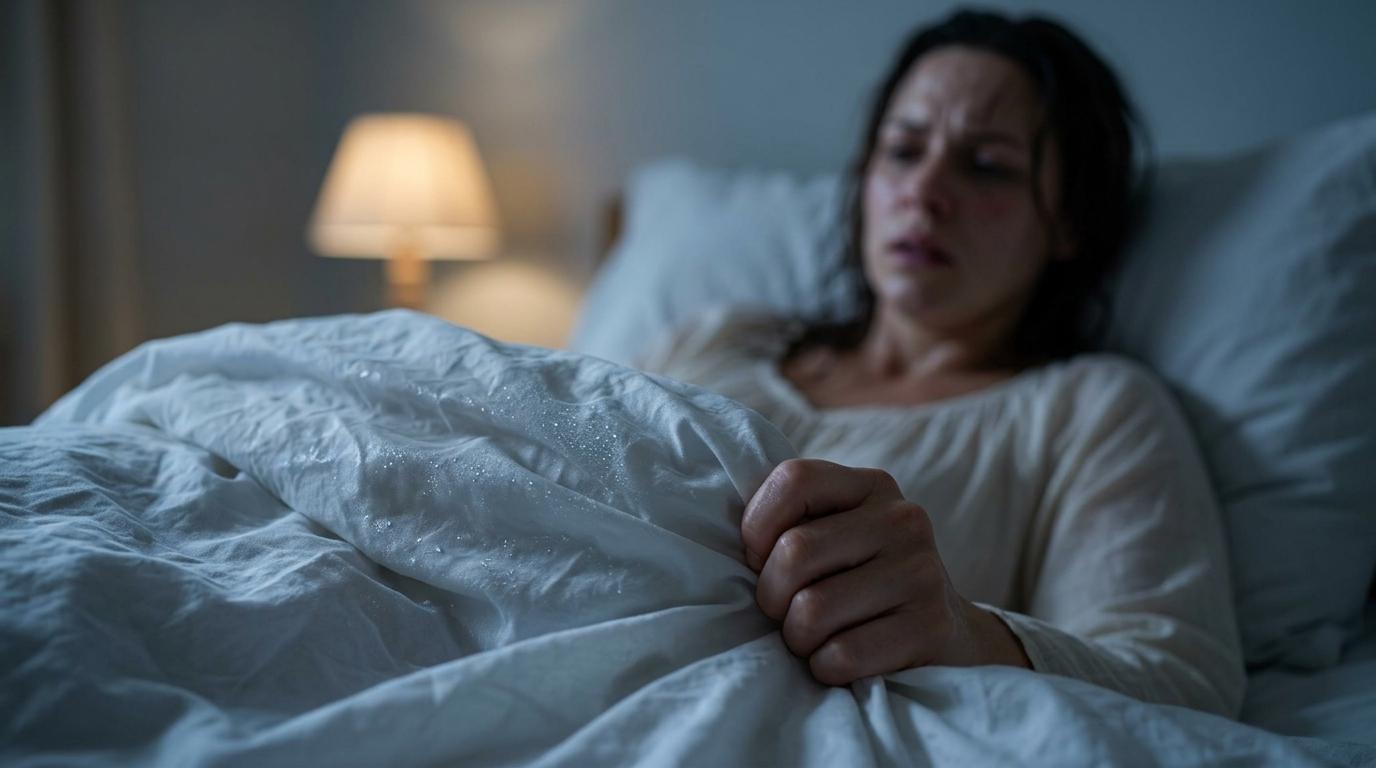
Pyelonephritis night sweats can signal a serious kidney infection, especially with fever, flank pain, nausea, or urinary symptoms.
If you are waking up drenched, shivering, and feeling completely exhausted, it is easy to blame your room, your blankets, or even your hormones. Sometimes however, night sweats are linked to an infection, and pyelonephritis is one of the more serious conditions in this regard. Pyelonephritis is a kidney infection usually caused by bacteria that travel upward from the bladder into one or both kidneys. This infection often begins as a urinary tract infection (UTI) where bacteria infect the bladder and then move through the urethra and the urinary tract into the kidney. In women, UTIs are especially common and if left untreated they can progress to acute or even chronic PYELONEPHRITIS, which can affect overall kidney function and health.
When a kidney infection strikes, your immune system reacts quickly. Your body releases inflammatory chemicals and your temperature rises. As the fever begins to break, the heavy sweating can commence. This cycle is a reason that PYELONEPHRITIS night sweats can be so severe. You fall asleep feeling chilled and then wake up hot and soaked. Many times what started as a straightforward UTI progresses when bacteria from the lower urinary tract ascend to the kidney, impacting kidney function as well as general health.

According to the National Institute of Diabetes and Digestive and Kidney Diseases, kidney infections can cause fever, chills, back or side pain, nausea, and vomiting. The Mayo Clinic also explains that PYELONEPHRITIS can become serious if not treated quickly. That is why night sweats occurring alongside other signs of infection should never be dismissed. It is important to manage the fever using proper strategies to help reduce symptoms.
Night sweats alone do not tell the whole story. They can occur with menopause, certain medications, anxiety, reflux, or even other infections. What makes PYELONEPHRITIS different is the overall pattern. When you notice sweating together with flank pain, fever, urinary symptoms, or an overall sudden severe illness, the likelihood increases that medical care is needed rather than a cooler comforter.
Most people experience several symptoms rather than just one. A group of symptoms can develop over a few hours or over several days. This is part of what makes kidney infections distinct from a single hot night of sleep.
Common symptoms include:
Many UTIs begin with a burning sensation or discomfort during urination. Repeated UTIs in women can lead to complications if bacteria continue to climb the urinary tract. Some individuals also notice cloudy urine, blood in the urine, or a strong odor. Older adults might not present with the typical symptoms and may instead experience confusion or unusual weakness according to the Cleveland Clinic.
When you go to sleep you are under layers and your mattress holds heat. In addition, your body loses some of its daytime distractions. This combination makes temperature changes feel more intense. If you already have a fever from PYELONEPHRITIS, the heat trapped in your bedding can turn a mild sweating episode into soaking sheets.
There is also the specific fever pattern. Many infections feel more intense at night. You may experience chills first, which leads you to add layers and blankets. A short time later, you wake up very hot. This shift is common when your temperature is fluctuating. In addition, managing fever becomes more challenging during the night because dehydration often sets in with both fever and recurring UTIs. Drinking fluids and balancing electrolytes is important for overall health and helps regulate the body’s response.
Another factor is dehydration. Sweating, fever, and vomiting can all lead to dehydration. When this happens, your body feels more stressed, your heart may beat faster, and sleep is disrupted. That is why night sweats become part of a cycle: an infection causes overheating, leading you to wake up, drink water, change clothes, and then try to settle back to sleep.
A kidney infection can quickly progress beyond feeling generally unwell into a state where immediate medical attention is required. If the infection spreads it can enter the bloodstream and become dangerous. In some situations a catheter may be used for patients with complicated urinary tract issues to help with bladder drainage and to prevent further bacterial buildup along the tract.
Seek medical assistance promptly if your night sweats occur together with any of these symptoms:
For instance, one patient named Alex experienced burning when urinating and began to have frequent UTIs. After a couple of days without treatment, Alex developed a high fever accompanied by severe side pain. After turning to urgent care and receiving prompt treatment, Alex saw improvements in the night sweats and overall symptoms. If you are in a similar situation with fever, flank pain, and vomiting particularly if you have had a recent UTI, do not wait. Call urgent care, use your doctor’s after-hours line, or go to the emergency room promptly.
A healthcare provider will ask about urinary symptoms, fever, the location of any pain, and the duration of these symptoms. Testing often includes a urine sample and sometimes a urine culture to identify the bacteria and guide antibiotic treatment. In certain cases, blood tests or imaging studies are needed especially if symptoms are severe, recurring, or not improving. This is particularly important when addressing UTIs that have escalated or become chronic. It is crucial to preserve your kidney function and overall health during this process.
Treatment usually involves antibiotics, fluids, rest, and careful follow-up. Mild cases may be managed at home with oral antibiotics, which are prescribed for both the UTI and the kidney infection. More severe infections may require intravenous (IV) antibiotics in a hospital setting particularly if you are dehydrated, pregnant, diabetic, or unable to keep medication down. Along with antibiotics, fever management techniques such as cooling measures and hydration help cool down temperature spikes that result in intense night sweats.
Night sweats may take some time to resolve even after the infection begins to come under control. You might continue to sweat as your fever breaks and inflammation decreases. If you have been on antibiotics because of a UTI and your symptoms worsen or do not improve, inform your healthcare provider as it may indicate that the bacteria are resistant, the infection is more complicated, or there is another issue that needs attention.
While you cannot cure a kidney infection with comfort measures, you can ease the discomfort of night sweats while medical treatment takes effect.
Sleep experts recommend a bedroom temperature between 60°F and 67°F for improved sleep. With a Bedfan, many people report they can raise the room temperature by about 5°F and still sleep cool. It is important to note that the dual zone Bedjet costs over a thousand dollars and is more than twice the price of two Bedfans. The original Bedfan came to market several years before the Bedjet was even thought of. Also, neither the Bedfan nor the Bedjet cool the air. Instead they only use the cool air in the room to bring down your bed temperature. The Bedfan uses only 18 watts on average and performs best when you use tight weave sheets. These sheets help direct airflow across your body to carry away excess heat.
A few practical tips to improve your sleep include:
A typical case might involve someone who believes they have a bladder infection because urination is painful and more frequent than usual. They may initially experience a UTI before the bacteria travel up the urinary tract to the kidney. UTIs occur frequently in women and repeated episodes can lead to complications including chronic issues with kidney health. This person might delay seeking care for a day or two. Before long, the symptoms escalate. By nightfall they experience a fever, pain in the back on one side, nausea, and repeated episodes of soaking night sweats.
One patient recalled having to change shirts twice in one night before waking up feeling chilled and unsteady the next morning. Following a course of antibiotics, fluids, and use of a Bedfan, the night sweats gradually decreased over the next few nights though sleep remained disrupted until the fever completely subsided. This scenario serves as a reminder that night sweats are a signal rather than a mere inconvenience. A UTI that begins subtly can evolve into a serious kidney infection. It is important to pay attention to recurring UTIs for long-term health.
This section is important because not every night sweat points to a kidney infection. Menopause, SSRIS, low blood sugar, reflux, thyroid issues, and other infections can all cause night sweats as well. When UTIs are the underlying cause rather than a kidney infection, the pattern may be noticeably different.
The key difference is the overall context. PYELONEPHRITIS typically brings a pronounced sense of illness. Fever, flank pain, urinary symptoms, nausea, and fatigue tend to occur together. If you notice sweating without these accompanying symptoms, another cause might be more likely. However if the sweating occurs along with a fever, pain in the kidney region, and a recent history of UTI, it is time to seek a medical evaluation.
If you are expanding your night sweats content hub, here are some internal links that organically relate to this subject:
If PYELONEPHRITIS night sweats are affecting you right now, do not hesitate to seek medical care if you also experience fever, flank pain, urinary symptoms, vomiting, or a sudden worsening of overall health. In addition to prompt treatment, improving your sleep environment with a cooler room, lighter bedding, and a targeted cooling solution such as a Bedfan may help you sleep more comfortably while your treatment takes effect.
This article is for educational purposes only and is not medical advice, diagnosis, or treatment. Always consult a healthcare provider if you experience severe or worsening symptoms, feel confused, become dehydrated, are pregnant, or have immune system concerns.
Pyelonephritis is a type of urinary tract infection (UTI) that affects the kidneys. When bacteria reach the kidneys, the body responds with inflammation and fever, which can trigger night sweats as the immune system works to fight the infection. Night sweats are a common symptom because the body is trying to regulate its temperature and eliminate toxins through sweat during sleep. Source: Mayo Clinic
Night sweats caused by pyelonephritis typically last as long as the infection is active. Once you start antibiotic treatment, symptoms like fever and night sweats usually improve within a few days. However, if the infection is severe or not treated promptly, night sweats may persist until the infection is fully resolved. Always complete your prescribed antibiotics and consult your healthcare provider if symptoms continue. Source: Cleveland Clinic
Night sweats can indicate that your body is fighting a significant infection such as pyelonephritis. While night sweats alone do not always mean a severe infection, when combined with symptoms like high fever, back pain, or chills, they can signal a more serious kidney infection that requires prompt medical attention. If you notice these symptoms, seek medical care to prevent complications. Source: Reddit r/AskDocs
While you can take steps at home to stay comfortable, such as using a cooling bedfan or wearing lightweight pajamas, it is essential to treat the underlying infection with antibiotics prescribed by your doctor. Home remedies alone will not cure pyelonephritis. Staying hydrated and resting can help your body recover, but always follow your healthcare provider’s instructions for medication and follow-up care.
If you experience persistent night sweats along with symptoms like fever, chills, pain in your back or side, or burning during urination, you should see a doctor as soon as possible. These symptoms can indicate a kidney infection, which can become serious if not treated quickly. Early medical intervention is important to prevent complications and ensure a full recovery.
To improve sleep quality during night sweats, keep your bedroom cool and use breathable bedding. Many people find that a targeted cooling solution like a bedfan helps regulate temperature and reduce discomfort. Avoid heavy blankets and consider moisture-wicking sheets. If you are using a bedfan, timer controls can help you reach the recommended sleep duration while staying cool. Always address the underlying infection with proper medical treatment.
For more information on managing night sweats, see our articles on night sweats and sleep quality, night sweats causes, how to sleep cooler, and best bedding for night sweats.
Disclaimer: This content is for informational purposes only and does not substitute for professional medical advice. Always consult your healthcare provider for diagnosis and treatment of pyelonephritis or any other medical condition.
All links above have been checked and are currently working.