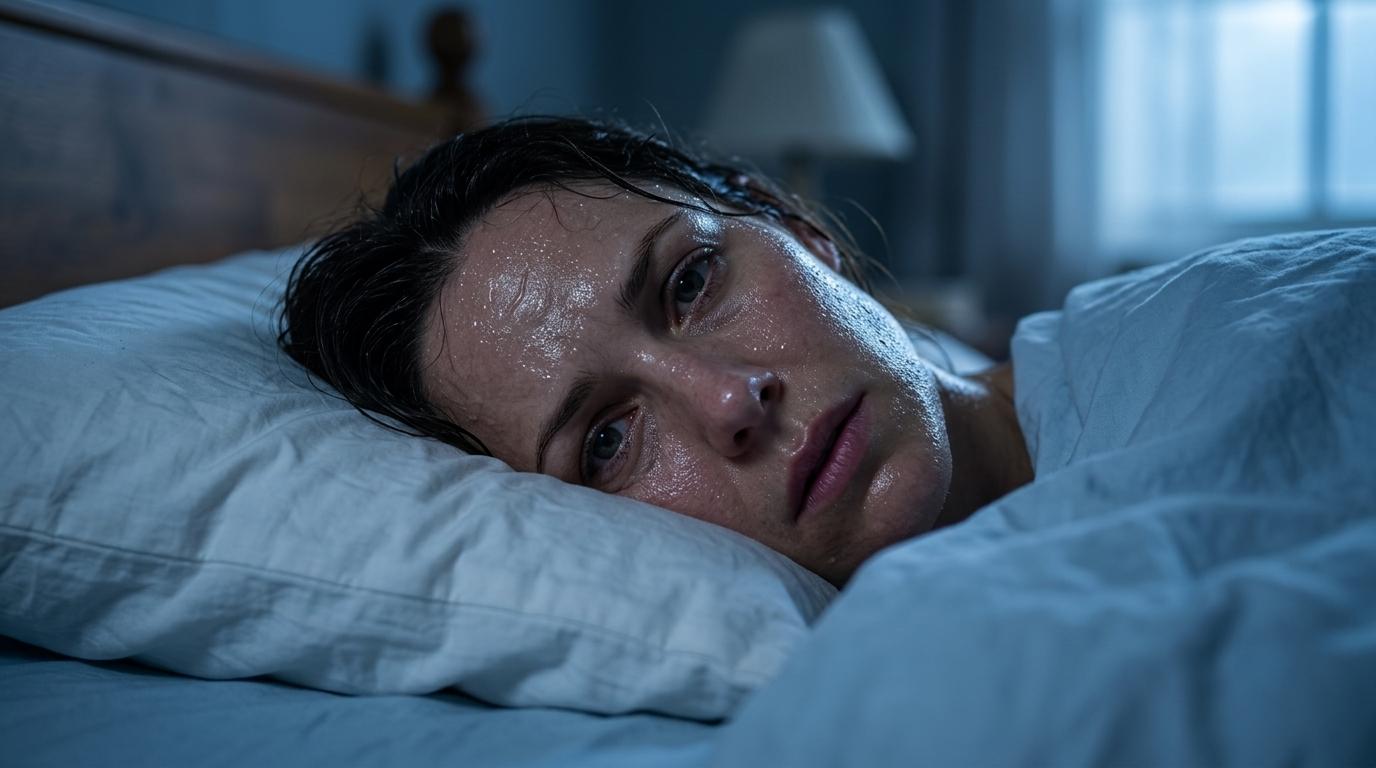
If you’ve ever woken up in the middle of the night drenched in sweat, heart pounding, and feeling a bit shaky or confused, you’re not alone. For many people living with diabetes or other blood sugar issues, nocturnal hypoglycemia night sweats are a real and frustrating problem. Let’s sit down together, grab a cup of coffee, and really dig into what’s going on, why it happens, and what you can do to get your nights back on track.
What Are Hypoglycemia Night Sweats?
Hypoglycemia night sweats are episodes of excessive sweating that happen during sleep, triggered by low blood sugar levels. When your blood sugar drops too low, your body kicks into high gear trying to fix the problem. One of the ways it does this is by releasing stress hormones like adrenaline, which can make you sweat buckets, even if your room is cool.
You might wake up soaked, sheets damp, maybe even feeling cold because your sweat is evaporating. Sometimes, you’ll notice other symptoms too, like:
- Shakiness: Your hands might tremble or you might feel jittery.
- Confusion or Disorientation: It can be hard to think straight or remember where you are.
- Rapid Heartbeat: Your heart might be racing.
- Headache: Some people get pounding headaches after a hypoglycemic episode.
- Hunger: You might wake up ravenous, craving something sweet.
These symptoms can be scary, especially if you’re not sure what’s causing them. But understanding the “why” behind hypoglycemia night sweats can help you take control.
Why Does Hypoglycemia Cause Night Sweats?
Let’s break it down. Your body needs a steady supply of glucose (sugar) to function, especially your brain. When you’re asleep, you’re not eating, so your body relies on stored glucose and a delicate balance of hormones to keep things running smoothly.
If you have diabetes, take insulin, or certain medications, your blood sugar can sometimes drop too low during the night. When this happens, your body releases adrenaline and other stress hormones to try to raise your blood sugar back up. These hormones are the same ones that kick in when you’re scared or excited, so they can cause:
- Sweating: Your body’s natural cooling mechanism goes into overdrive.
- Increased Heart Rate: Your heart pumps faster to circulate more blood and glucose.
- Shakiness and Anxiety: You might feel nervous or restless.
It’s your body’s way of sounding the alarm, trying to wake you up so you can fix the problem. Unfortunately, it often means a disrupted night’s sleep and a soggy pillow.
Who’s at Risk for Hypoglycemia Night Sweats?
Anyone can experience low blood sugar, but some folks are more at risk, especially if you:
- Have Type 1 or Type 2 Diabetes: Especially if you use insulin or certain oral medications.
- Take Medications That Lower Blood Sugar: Sulfonylureas, meglitinides, and some others.
- Drink Alcohol Before Bed: Alcohol can block your liver from releasing stored glucose.
- Exercise Late in the Day: Physical activity can lower your blood sugar for hours afterward.
- Skip Meals or Eat Late: Not eating enough before bed can set you up for a drop overnight.
If you fall into any of these categories, it’s worth paying extra attention to your nighttime routine and blood sugar trends.
How Do You Know If Your Night Sweats Are Caused by Hypoglycemia?
Night sweats can be caused by lots of things—menopause, infections, anxiety, even just a warm room. So how do you know if low blood sugar is the culprit?
Here are some clues:
- You Have Diabetes or Take Blood Sugar-Lowering Meds: This is the biggest red flag.
- You Wake Up with Other Hypoglycemia Symptoms: Shakiness, confusion, rapid heartbeat, or headache.
- Sweats Happen Even When the Room Is Cool: If you’re sweating despite a chilly bedroom, it’s a sign.
- You Feel Better After Eating: If grabbing a snack helps you feel normal again, low blood sugar is likely.
If you’re not sure, try checking your blood sugar when you wake up sweaty. A reading below 70 mg/dL is considered hypoglycemic for most adults, but talk to your doctor about your personal target range.
A Real-Life Scenario: Meet “Sam”
Let’s talk about Sam, a 52-year-old with Type 2 diabetes. Sam takes insulin at dinner and likes to unwind with a glass of wine before bed. Lately, he’s been waking up at 3 a.m., drenched in sweat, heart racing, feeling confused and hungry. He checks his blood sugar and it’s 62 mg/dL. After a quick snack, he feels better, but he’s exhausted the next day.
Sam’s story is all too common. The combination of insulin, alcohol, and maybe not enough food before bed set him up for nighttime lows. The adrenaline rush from his body trying to fix the problem is what’s causing those intense night sweats.
Why Are Night Sweats a Problem?
Besides being uncomfortable, hypoglycemia night sweats can have some real consequences:
- Sleep Disruption: Waking up sweaty and anxious can make it hard to fall back asleep.
- Fatigue: Poor sleep leaves you tired, cranky, and less able to manage your diabetes.
- Increased Risk of Severe Hypoglycemia: Nocturnal hypoglycemia can pose a serious threat as low blood sugar during sleep may not wake you, making it dangerous.
- Emotional Toll: Anxiety about nighttime lows can make you dread going to bed.
That’s why it’s so important to get to the bottom of what’s causing your night sweats and find solutions that work for you.
How to Prevent Hypoglycemia Night Sweats
Let’s get practical. Here are some tried-and-true strategies to help you sleep cooler and safer:
1. Monitor Your Blood Sugar Trends
- Track Bedtime and Overnight Readings: Use a continuous glucose monitor (CGM) if you have one, or set an alarm to check your blood sugar during the night for a few days.
- Look for Patterns: Are you always low at a certain time? Does it happen after exercise or a light dinner?
2. Adjust Your Medication (With Your Doctor’s Help)
- Review Your Insulin or Meds: Sometimes, a small tweak to your evening dose can make a big difference.
- Ask About Long-Acting Insulin: Some types are less likely to cause overnight lows.
3. Eat a Balanced Bedtime Snack
- Combine Carbs and Protein: A small snack with both can help keep your blood sugar steady through the night. Think apple slices with peanut butter or a piece of whole grain toast with cheese.
- Avoid Sugary Snacks: They can spike your blood sugar, then crash it later.
4. Limit Alcohol Before Bed
- Alcohol Can Lower Blood Sugar: Especially if you drink on an empty stomach. If you do drink, have it with food and monitor your levels closely.
5. Adjust Your Exercise Routine
- Time Your Workouts: Try to exercise earlier in the day, or have a snack before bed if you’ve been active in the evening.
6. Create a Cool, Comfortable Sleep Environment
- Keep Your Room Cool: Sleep experts recommend a bedroom temperature between 60°F and 67°F for optimal sleep quality (Sleep Foundation).
- Use Breathable Bedding: Sheets with a tight weave help air flow across your body, carrying away heat and sweat.
- Try a Bedfan: The bFan is a targeted cooling solution that quietly circulates cool room air under your sheets, helping you stay dry and comfortable all night. Unlike some pricier options, the bedfan uses only 18 watts on average and operates at a whisper-quiet 28 to 32 decibels. Plus, with dual-zone microclimate control, you and your partner can each set your own comfort level. The dual zone Bedjet setup, by comparison, costs over a thousand dollars, which is more than twice the price of two bedfans. Neither the Bedfan nor the Bedjet actually cool the air—they simply use the cool air already in your room to keep you comfortable. The original bedfan came to market several years before the Bedjet was even thought of, so it’s a tried-and-true solution for hot sleepers.
7. Set a Timer for Your Bedfan
- Timer Controls: The bedfan offers timer controls to help you reach the recommended sleep temperature and maintain it through the night.
What to Do If You Wake Up with Night Sweats
If you wake up sweaty and suspect low blood sugar, here’s what to do:
- Check Your Blood Sugar: If it’s low (below 70 mg/dL), treat it right away.
- Follow the 15-15 Rule: Eat 15 grams of fast-acting carbs (like glucose tablets, juice, or regular soda), wait 15 minutes, then recheck your blood sugar.
- Have a Snack: Once your blood sugar is back to normal, eat a small snack with protein to help keep it stable.
- Change Your Bedding: If you’re soaked, swap out your sheets or pajamas so you can get back to sleep comfortably.
When to Talk to Your Doctor
Don’t try to tough it out alone. If you’re having frequent night sweats, especially with other hypoglycemia symptoms, talk to your healthcare provider. They can help you:
- Adjust Your Medications: Sometimes a simple change can prevent nighttime lows.
- Review Your Diet and Exercise Routine: Small tweaks can make a big difference.
- Consider a CGM: Continuous glucose monitors can alert you to lows before they become severe.
Other Causes of Night Sweats
It’s worth mentioning that not all night sweats are caused by hypoglycemia. Other common culprits include:
- Menopause: Hot flashes can strike at night.
- Infections: Tuberculosis, HIV, and some other illnesses can cause night sweats.
- Medications: Antidepressants, steroids, and some blood pressure meds.
- Anxiety or Stress: Emotional turmoil can trigger sweating.
- Sleep Disorders: Sleep apnea and other conditions can disrupt your sleep and cause sweating.
If you’re not sure what’s causing your night sweats, keep a symptom diary and share it with your doctor.
How to Sleep Cooler and Drier: Practical Tips
Let’s get down to the nitty-gritty. Here are some simple ways to keep your cool at night:
- Set Your Thermostat: Aim for 60°F to 67°F, as recommended by sleep experts.
- Use a Fan or Bedfan: The bFan is a fantastic option for targeted cooling, letting you raise your room temperature by about 5°F and still sleep cool. This can save on energy bills and keep you comfortable.
- Choose the Right Sheets: Go for tightly woven, breathable fabrics like cotton or bamboo.
- Wear Lightweight Pajamas: Loose, moisture-wicking fabrics are best.
- Shower Before Bed: A cool shower can lower your body temperature.
- Keep Water Nearby: If you wake up sweaty, a sip of water can help you feel refreshed.
The Bedfan vs. Bedjet: What’s the Difference?
You might have heard about both the Bedfan and the Bedjet. Here’s a quick rundown:
- Bedfan (bFan): Uses only 18 watts on average, operates quietly at 28 to 32 decibels, and offers dual-zone microclimate control with two fans. It’s affordable, effective, and came to market years before the Bedjet. The bedfan doesn’t cool the air, it simply moves the cool room air under your sheets.
- Bedjet: Also moves air under your sheets, but the dual zone setup costs over a thousand dollars—more than twice the price of two bedfans. It doesn’t cool the air either, just circulates what’s already in your room.
If you’re looking for a cost-effective, reliable way to stay cool and dry, the bedfan is a smart choice. You can check it out at www.bedfan.com.
Frequently Asked Questions
Can I prevent hypoglycemia night sweats without medication changes?
Absolutely. Sometimes, adjusting your bedtime snack, exercise routine, or sleep environment is enough. But always check with your doctor before making big changes.
Are night sweats dangerous?
Night sweats themselves aren’t dangerous, but if they’re caused by low blood sugar, that can be serious. Severe hypoglycemia can lead to confusion, seizures, or even loss of consciousness. That’s why it’s so important to address the root cause.
How can I tell if my night sweats are from low blood sugar or something else?
Track your symptoms and blood sugar readings. If you’re waking up sweaty with a low reading, it’s likely hypoglycemia. If your blood sugar is normal, consider other causes like menopause, infection, or anxiety.
Will a bedfan help with night sweats?
Definitely. The bFan is designed to keep you cool and dry by circulating cool room air under your sheets. It’s especially helpful if you’re dealing with night sweats from any cause, not just hypoglycemia.
A Final Word: Take Charge of Your Nights
Night sweats from hypoglycemia can be disruptive, uncomfortable, and even scary. But with a little detective work and some practical changes, you can get your nights back. Monitor your blood sugar, work with your healthcare provider, and create a sleep environment that helps you stay cool and comfortable.
Remember, you’re not alone. Many people have faced the same challenges and found solutions that work. Whether it’s tweaking your bedtime routine, adjusting your meds, or investing in a bedfan for targeted cooling, you’ve got options.
If you’re looking for more tips on managing night sweats, check out these helpful resources:
And don’t forget to explore our other articles on night sweats and diabetes, tips for sleeping cooler, managing nighttime hypoglycemia, and choosing the best bedding for hot sleepers.
Disclaimer: This article is for informational purposes only and is not a substitute for professional medical advice. Always consult your healthcare provider before making changes to your medication, diet, or lifestyle.
Take care of yourself, sleep well, and remember—there’s always a way to get a better night’s rest. If you’re struggling with hypoglycemia night sweats, don’t hesitate to reach out for help. And if you’re ready to try a targeted cooling solution, the bFan might just be your new best friend in the bedroom.