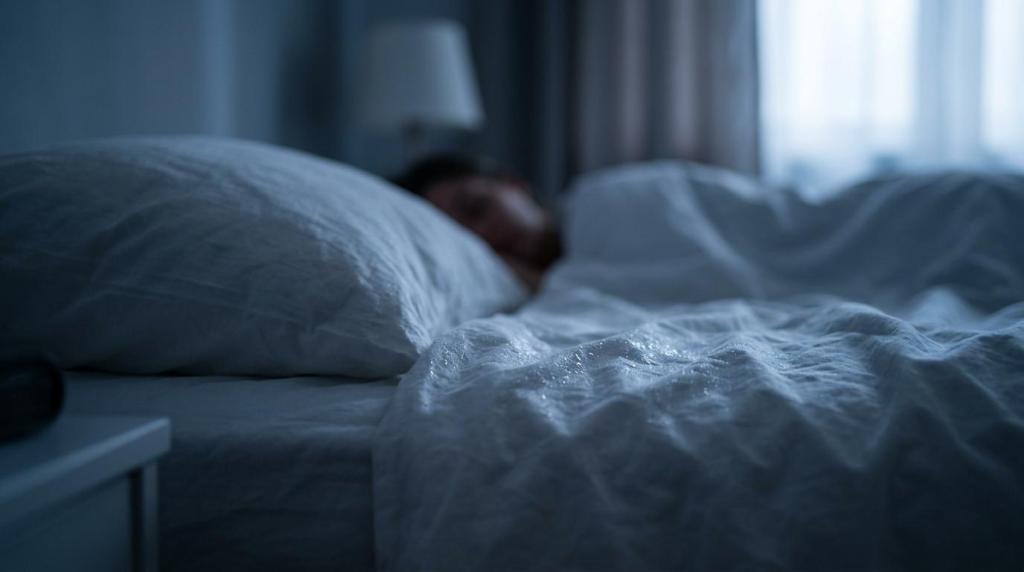
Night sweats during period are often linked to hormone shifts, trapped heat, and PMS. Learn causes, cooling tips, and when to get checked.
Let’s talk about something that doesn’t get enough attention but affects so many people: night sweats during your period. If you’ve ever woken up in the middle of the night, sheets damp, hair sticking to your neck, and wondered, “Is this normal?” you’re not alone. Night sweats can be a real nuisance, especially when you’re already dealing with cramps, mood swings, and all the other joys of menstruation. But here’s the good news: you can manage them, and you don’t have to suffer through sleepless, sweaty nights.
Grab a cup of coffee or tea, settle in, and let’s break down why night sweats happen during your period, what’s going on with your hormones, and most importantly, how you can keep cool and comfortable all night long. We’ll also look at how common hormonal changes, not just during your period, but also in conditions like perimenopause and menopause, can affect your sleep, and we’ll share some practical tips, including why a Bedfan, or bFan, as some folks call it, might just be your new best friend.
Night sweats are exactly what they sound like: episodes of excessive sweating during sleep. We’re not talking about waking up a little warm or tossing off the covers. We’re talking about waking up drenched, sometimes needing to change your pajamas or even your sheets. It’s disruptive, uncomfortable, and can leave you feeling exhausted the next day.
Night sweats can be caused by a bunch of things, illness, medication, menopause, perimenopause, infections, and yes, your menstrual cycle. If you notice that your night sweats seem to line up with your period, you’re probably dealing with hormone driven temperature swings. These hormonal changes play a huge part in regulating your body temperature and can be a precursor to hot flashes both during your menstrual cycle and in menopausal stages.
Let’s get into the science for a minute. Your menstrual cycle is a rollercoaster of hormones, mainly estrogen and progesterone. These hormones don’t just affect your mood and your skin, they also play a big role in regulating your body temperature. These hormonal changes, often simply called hormonal changes, can lead your internal thermostat to malfunction, causing night sweats.
Here’s what happens:

You might be surprised to learn just how common this is. Studies show that a significant number of people who menstruate experience night sweats at some point in their cycle, especially in the days leading up to their period or during the first few days of bleeding. And it’s not just changes during menstruation, hormonal changes during perimenopause and menopause can also lead to increased night sweats, which many people find distressing.
It’s not just you. It’s not weird. It’s just another way your body responds to the hormonal changes of your cycle.
While hormones are the main culprit during your period, there are other things that can make night sweats worse:
If your night sweats are severe, persistent, or accompanied by other symptoms like fever or unexplained weight loss, it’s always a good idea to check in with your doctor to see if any additional treatment might be necessary. But if they seem to come and go with your period or are clearly linked to hormonal changes such as those seen during menopause, then hormones are probably to blame.
Let’s be real: waking up sweaty isn’t just uncomfortable, it’s disruptive. You might find yourself waking up multiple times a night, tossing and turning, or even getting up to change your clothes or sheets. Over time, this can lead to:
Getting good sleep is crucial for your overall health, especially during your period when your body is already working overtime.
Alright, let’s get to the good stuff. You don’t have to just accept night sweats as part of your monthly routine. There are plenty of practical, science backed ways to stay cool and comfortable, even when your hormones are doing their thing.
Here’s where things get interesting. If you’re serious about staying cool at night, a Bedfan, or bFan, can be a game changer. Unlike regular fans that just blow air around the room, a Bedfan sits at the foot of your bed and directs a gentle stream of air right under your sheets. This helps carry away heat and moisture, keeping you cool and dry all night long.
If you’re looking for a simple, effective way to beat night sweats, the Bedfan is definitely worth checking out.
You might have heard of the Bedjet, another popular bed cooling system. Let’s compare the two, so you can make an informed choice.
If you’re looking for a reliable, affordable way to stay cool during your period, or any time, the Bedfan is hard to beat.
Getting the most out of your Bedfan is all about setup. Here are some tips to help you stay as cool as possible:
While the Bedfan is a standout, there are other gadgets and tricks you can try:
And if you’re going through a challenging phase, whether it’s postpartum recovery after pregnancy or navigating the hormonal shifts of perimenopause or menopause, these additional cooling solutions might offer valuable treatment alternatives to maintain your comfort.
Remember, the key is to find what works best for you. Everyone’s body is different, and what helps one person might not work for another.
Most of the time, night sweats during your period are nothing to worry about. But there are times when it’s a good idea to check in with your healthcare provider:
Your doctor can help rule out any underlying conditions and suggest other ways to manage your symptoms.
Beyond cooling gadgets and bedding, there are some lifestyle tweaks that can help minimize night sweats:
Also, note that as you approach menopause or transition through perimenopause, adjusting your lifestyle may serve as a first line treatment to help mitigate night sweats.
Night sweats during your period are common, but that doesn’t mean you have to put up with them. By understanding what’s going on with your hormones, including the natural hormonal changes of your cycle, perimenopause, and menopause, making a few simple changes to your sleep environment, and investing in the right tools, like a Bedfan, you can stay cool, comfortable, and well rested all month long.
Remember, sleep experts commonly recommend a bedroom temperature between 60°F and 67°F, 15.5°C to 19.5°C, for better sleep. With a Bedfan, many people find they can raise their room temperature by about 5°F and still sleep cool, which is great for your comfort and your energy bill.
So, next time you find yourself tossing and turning, drenched in sweat, whether it’s due to your period, postpartum hormonal shifts, or menopausal hot flashes, remember: you’ve got options. Whether it’s tweaking your bedding, adjusting your thermostat, or bringing a Bedfan into your bedroom, you can take control of your sleep and wake up feeling refreshed, even during your period.
If you’re ready to say goodbye to sweaty, sleepless nights, the Bedfan just might be the best investment you make for your sleep and your sanity.
Yes, night sweats are quite common during your period. They’re usually caused by hormonal fluctuations, especially changes in estrogen and progesterone levels. Many people experience these temperature swings in the days leading up to their period or during the first few days of bleeding, and it’s considered a normal part of the menstrual cycle.
Night sweats before or during your period are mostly due to shifts in your hormones. As estrogen and progesterone levels rise and fall, your body’s internal thermostat can get thrown off, leading to episodes of excessive sweating at night. These hormone-driven changes are a natural part of your cycle, though they can feel pretty disruptive.
For many people, night sweats can feel more intense right before or during their period. This is because hormonal fluctuations are at their peak, which can nudge your body temperature higher than usual. Some people notice that their night sweats are especially bad in the week leading up to menstruation, then improve once their period starts.
Most of the time, night sweats linked to your period are harmless and simply a result of hormone changes. However, if you experience night sweats along with other symptoms like fever, unexplained weight loss, or if they persist outside of your menstrual cycle, it’s a good idea to check in with your healthcare provider. These could be signs of an underlying health issue that needs attention.
There are several ways to manage night sweats during your period. Keeping your bedroom cool, using lightweight and tightly woven sheets, and wearing breathable pajamas can help. Many people find relief with a Bedfan, which directs cool air under your sheets and helps carry away heat. Staying hydrated and avoiding spicy foods, caffeine, and alcohol in the evening can also make a difference.
Yes, some medications can increase your risk of night sweats, especially antidepressants and certain hormonal treatments. If you’ve recently started a new medication and notice more intense night sweats, talk to your doctor. They can help you figure out if your medication is contributing to the problem and suggest alternatives if needed.
Night sweats can be a symptom of perimenopause, which is the transition period before menopause. If you’re in your late 30s or 40s and notice night sweats getting worse or happening more often, it could be related to perimenopausal hormone changes. Still, many people experience night sweats during their period even if they’re not in perimenopause.
Some people find that hormonal birth control helps regulate their cycle and reduces symptoms like night sweats. However, others might experience more sweating as a side effect, depending on the type of birth control. If you think your birth control is making your night sweats worse, talk to your healthcare provider about other options.
To improve your sleep, try to keep your bedroom temperature between 60°F and 67°F, which sleep experts recommend for optimal rest. Use a Bedfan to help circulate cool air under your sheets, and choose bedding and pajamas made from breathable, moisture-wicking fabrics. Setting a consistent sleep schedule and practicing relaxation techniques before bed can also help you get better rest.
Absolutely, night sweats during your period can happen at any age, including your 20s and 30s. They’re usually tied to the natural hormonal fluctuations of your menstrual cycle. If your night sweats are severe, persistent, or accompanied by other symptoms, it’s always smart to check in with your doctor just to be safe.
Yes, a Bedfan can make a big difference for people dealing with night sweats. It sits at the foot of your bed and directs a gentle stream of air under your sheets, helping to carry away heat and moisture. Many people find they can raise their room temperature by about 5°F and still sleep cool with a Bedfan, making it a practical and energy-efficient solution for night sweats during your period. You can learn more at www.bedfan.com.
Stay cool, sleep well, and take care of yourself. You deserve it.