Ibritumomab (Zevalin) night sweats may signal infection, infusion effects, or lymphoma—not just overheating. Learn red flags and relief.
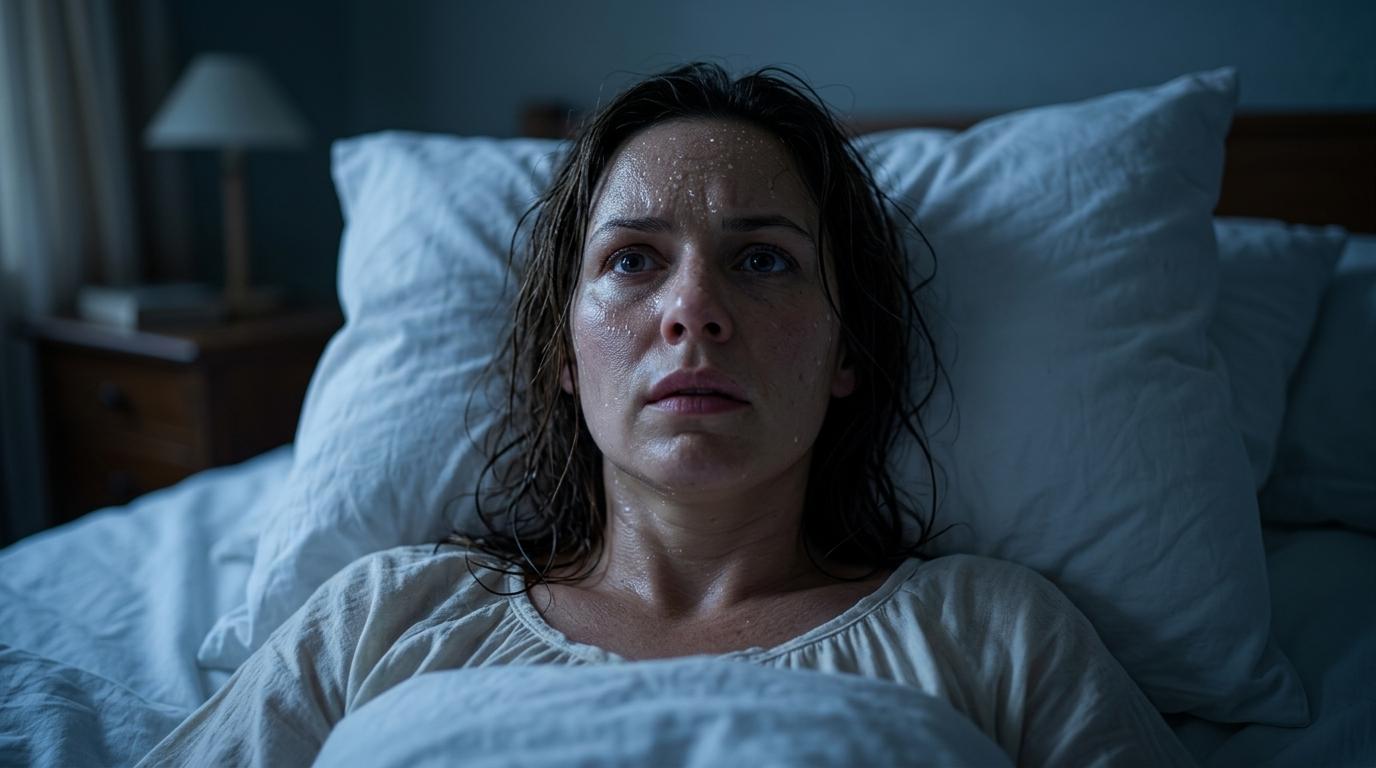
Night sweats after ibritumomab, sold as Zevalin, can be more than a comfort issue. They can break up sleep, worsen fatigue during recovery, and sometimes signal infection, active lymphoma, or another medication effect rather than simple overheating. Ibritumomab, a radiolabeled monoclonal antibody used in immunotherapy, especially in combination with tiuxetan, should prompt careful evaluation of its side effects. The real problem is sorting out what the sweats mean, and knowing when home comfort measures are enough versus when you need your oncology team involved. This guide walks you through both sides, medical red flags and practical relief.
Not usually. Zevalin and rituximab are better known for low blood counts and cytopenias, infusion reactions, and infection risk than for isolated night sweats. If sweating is new, drenching, or paired with fever, treat it as a symptom that needs context, not as a routine nuisance. Note that while ibritumomab is a key player in this radioimmunotherapy, its side effects, including unexpected sweating, are not always directly caused by the drug, and similar concerns can arise with tiuxetan-based regimens.
Ibritumomab tiuxetan is a radioimmunotherapy used in some non-Hodgkin lymphoma settings, especially follicular lymphoma. In prescribing information and oncology practice, the side effects that get the most attention are neutropenia, thrombocytopenia, anemia, fatigue, and infusion related symptoms. Night sweats can still happen, they are just usually indirect. In some cases, the response of lymphocytes to the monoclonal antibody may also contribute to these issues.
A common misconception is that any sweating after cancer treatment must be a drug side effect. With Zevalin, that is not the safest assumption. The timing matters. Same day sweats can fit an infusion reaction to ibritumomab, while sweats that show up weeks later can point toward infection, blood count changes, or lymphoma symptoms.
Several causes are plausible. Zevalin, rituximab, lymphoma itself, and infection can all lead to sweating, and the pattern often tells you which is most likely.
Start with the big buckets. Lymphoma can cause classic "B symptoms," which include drenching night sweats, fever, and weight loss. Rituximab, as well as the monoclonal antibody ibritumomab used in this immunotherapy regimen, can trigger chills, flushing, fever, and sweating during treatment or shortly after. Then there is infection risk, which rises if white blood cells, especially lymphocytes, drop after therapy.
Blood counts after Zevalin often fall over several weeks and commonly reach their lowest point around 7 to 9 weeks after treatment, with recovery often by about 12 weeks. If sweats begin during that window, especially with fever, cough, burning urination, or mouth sores, infection moves up the list fast. Keeping track of these side effects is crucial to understanding whether additional issues like cytopenias are contributing to the symptoms.
Other causes can overlap. Steroids, antidepressants, opioids, menopause, thyroid disease, reflux, anxiety, and low blood sugar can all cause nighttime sweating. If your sweats were present before ibritumomab treatment, the drug may not be the main driver.
Targeted cooling usually works better than guessing. Zevalin patients often do best with a mix of symptom tracking, cooler bedding, and selective airflow rather than dropping the whole house temperature all night.
If the sweats are not urgent and your oncology team knows about them, a few home measures can reduce sleep disruption without making you miserable or driving up energy use.
Act in sequence. Check your temperature, note when the sweating started relative to treatment, and screen for red flags before you assume it is harmless.

Step 1 is simple, take your temperature. In oncology, a fever of 100.4°F or higher matters. If sweating comes with fever, shaking chills, rash, wheezing, chest tightness, or dizziness, call the oncology team right away or follow the emergency instructions they gave you.
Step 2, look at timing. If sweating started during the infusion or later the same day, an infusion reaction to ibritumomab might be more likely. If it began days or weeks later, look harder at infection, lymphoma symptoms, or another medication's side effects.
Step 3, document what happened. Write the hour it started, how soaked the sheets were, whether you had chills, and whether you needed to change clothes or bedding. If sweats are mild and there is no fever, then track them and message your team within a day. If sweats are drenching or paired with fever, then treat them as urgent.
The pattern is usually different. Zevalin related sweats tend to track with infusion timing or complications like infection, while lymphoma night sweats are more often recurrent, drenching, and part of a wider symptom cluster.
Lymphoma related sweats often soak clothing or sheets, happen repeatedly, and may come with unexplained fever, weight loss, itching, or growing lymph nodes. They may have been present before treatment started. Zevalin related sweating is more likely to show up near infusion time or later during periods of low blood counts, especially given the complex side effects profile of ibritumomab and its companion drug tiuxetan.
Here is the misconception to avoid, drenching sweats do not automatically mean the cancer is back. They can be caused by infection, medication effects, or even menopausal hot flashes. But if sweats are severe, frequent, and tied to weight loss or fever, you need a medical review, not guesswork.
A short, structured log is one of the fastest diagnostic tools. Dates, temperature, and associated symptoms often narrow the cause better than memory does.
Step 1, anchor each episode to treatment. Note how many days or weeks have passed since rituximab, ibritumomab, or tiuxetan administration. That helps your team separate infusion effects from late blood count effects.
Step 2, grade the episode. Did you wake up damp, or did you need to change clothes and sheets? Did you have chills, palpitations, cough, urinary symptoms, nausea, or a measured fever?
Step 3, log the sleep environment and triggers. Room temperature, heavy comforters, alcohol, spicy meals, hot showers before bed, and new medications all matter. Pro tip, if the sweats mostly happen in an overheated bed with no fever and ease quickly when you cool the bed surface, heat trapping is probably a major piece of the puzzle.
Yes. Zevalin can cause significant neutropenia and thrombocytopenia, and that makes sweating more medically important because infection and bleeding risks rise as counts fall. Since lymphocytes play a key role in fighting infection, their reduction further complicates the clinical picture. Patients on ibritumomab, which is known for its side effects such as these cytopenias, need to be alert to any additional symptoms.
White blood cells, especially neutrophils, are part of your first line of defense against infection. If they are low, your body may give you fewer obvious clues. A patient with neutropenia may not mount dramatic symptoms early, which is why fever plus sweating gets taken seriously.
Platelet drops matter too. If night sweats come with nosebleeds, unusual bruising, gum bleeding, or petechiae, the issue may be broader than temperature regulation. Your team may need a CBC and sometimes cultures or imaging, depending on the rest of the picture.
Targeted bed airflow is usually more efficient. bFan and BedJet both use the cool air already in the room, while lowering the thermostat cools the whole room, which can cost more and bother a bed partner.
Neither bFan nor BedJet cools the air. They only move existing room air into the bed microclimate. That matters because many people expect refrigerated air and get disappointed. What you are really doing is removing trapped body heat under the covers.
For Zevalin related night sweats, targeted airflow often wins on practicality. The bFan runs at about 18 watts on average, and normal sound is around 28db to 32db, so it is quiet enough for most bedrooms. It also has timer controls, which are useful if you mainly overheat during the first sleep cycle. The original bFan came to market several years before BedJet was even thought of, and the current bFan approach still makes sense because the problem is trapped heat, not room temperature alone.
Cost is a real trade off. One BedJet is more than twice the price of a single bFan. A dual zone BedJet is over a thousand dollars and more than twice the price of two bFans. If you need dual-zone microclimate control, two bFans can give each sleeper separate airflow without forcing both people into the same setup. Neutral benchmark, BedJet is a known brand, but price and flexibility matter when you are already dealing with treatment costs and the side effects of your medications, including those from ibritumomab and tiuxetan.
Call promptly when sweating comes with infection signs, breathing changes, or bleeding symptoms. Zevalin changes the threshold because low counts can make ordinary looking symptoms less ordinary.
Do not wait for the next appointment if the sweating is new and intense, especially during the weeks when blood counts may be falling. A same day call is the safer move when any of these are present:
Start with the sleep surface, not just the thermostat. Room temperature, sheet type, and directed airflow work together, and small changes often matter more than one big change.
Step 1, aim for the standard sleep range first. Most sleep experts recommend 60°F to 67°F. If that feels too cold for the house, a bed fan may let you keep the room about 5°F warmer and still sleep cool.
Step 2, use the right bedding. Choose a tight-weave sheet, keep layers light, and avoid thick mattress pads that trap heat. Pro tip, put a spare sleep shirt nearby so a sweat episode does not turn into a fully lit, fully awake bedding change.
Step 3, direct the airflow where heat builds up. Under-sheet airflow at the foot of the bed usually works best, and it is more discreet than blasting a room fan at your face. If you share a bed and only one person overheats, targeted cooling is often far easier than dropping the whole room temperature.
Yes, very often. Prednisone, SSRIs, opioids, menopause, infection, thyroid disease, and reflux are all common non-Zevalin causes of night sweats. Additionally, other drugs that affect lymphocyte function, or even changes related to birth control methods and considerations while breastfeeding, can contribute to these side effects.
This matters because treatment depends on the cause. If sweats started before ibritumomab, continued long after therapy, or change when another drug changes, Zevalin and its companion tiuxetan may be incidental rather than central. Oncology patients often have several overlapping triggers at once, which is why a full medication review, including assessment of all side effects, is important.
Bring a full medication list, including over the counter products, to your next visit. If your team suspects another cause, they may check a CBC, infection workup, thyroid labs, glucose, or ask about menopausal symptoms and sleep apnea. Do not stop cancer drugs or supportive medications on your own, but do not write off the sweating as "just treatment" either.
By understanding the potential side effects of ibritumomab, whether it is the immediate infusion reaction or delayed complications, and staying vigilant about other risk factors like infection, hormonal influences, or even the impact on lymphocyte levels, you and your oncology team can better manage your treatment and comfort during this time.