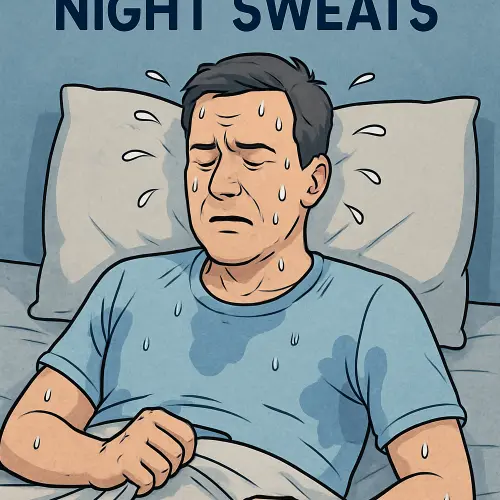
Can celecoxib (Celebrex) cause night sweats? Learn possible triggers, red flags, and practical ways to sleep cooler and track symptoms.
Night sweats can wreck sleep, amplify pain, and leave you wondering whether your medication is helping or making nights worse. That question comes up a lot with celecoxib, the generic for Celebrex, because it’s widely used for arthritis, injury pain, and inflammation. Whether you use a capsule or an oral solution formulation of Celebrex, the real problem is sorting out whether the sweating is a true drug effect, a timing issue, or a clue that something else is going on. If you can tell those apart, you can usually make smarter treatment choices fast, both medically and in your sleep setup, all while protecting your overall health with the help of appropriate medications.
Yes, celecoxib, sold as Celebrex, can be linked to night sweats, but it is not a top reported side effect. Pfizer labeling and MedlinePlus focus more on gastrointestinal symptoms, swelling, and high blood pressure, so sweating usually needs context. In plain English, Celebrex is a COX-2 inhibitor, a type of NSAID that lowers pain and inflammation to provide arthritis relief for conditions such as rheumatoid arthritis, osteoarthritis, and even ankylosing spondylitis. Night sweats, also called nocturnal diaphoresis, can show up while you’re taking this medication, but that does not prove Celebrex is the direct cause.
That distinction matters. Many people start celecoxib during a flare, after surgery, or while taking other medications at the same time. Pain, fever, menopause, antidepressants, steroids, blood sugar shifts, sleep apnea, and even a history of nausea or dizziness as side effects can trigger sweating at night. A common misconception is that the newest medication is always the culprit, sometimes it is, and sometimes it just arrived at the same time as the real trigger.
Usually, celecoxib is one part of the picture, not the whole picture. Celebrex, along with prednisone, sertraline, and even other common arthritis medications, often overlap in real life, and that mix can blur what is causing your sweating.
There are a few ways this happens, for example, if Celebrex is helping you move more during the day, you may be sleeping under heavier bedding because pain is lower, which raises heat trapping and can contribute to sleep disturbances. Also, if your dose or dosage is wearing off overnight, pain can surge, and pain itself can drive sweating through stress hormones and fragmented sleep.
Drug combinations matter too, because SSRIs like sertraline, SNRIs like venlafaxine, opioids, hormone therapy, and corticosteroids cause side effects, such as dizziness and nausea, far more often than celecoxib alone. If celecoxib was added to a regimen that already included one of those medications, it may look guilty when it really isn’t. Many patients use Celebrex for arthritis relief, yet must balance these benefits against potential side effects that include not only gastrointestinal issues but also a slight increase in the risk of heart attack or stroke in some populations.
A good tip is to pay attention to the pattern, not just the presence. If you sweat only on high-pain nights, after alcohol, or when you use extra blankets, the mechanism is probably body heat retention or symptom spikes, not a direct Celebrex reaction.
The best relief usually comes from cooling the sleep microclimate, not just lowering the thermostat. Sleep experts recommend a bedroom temperature of 60°F to 67°F, and tools like the bFan from bFan at http://www.bedfan.com can help many people raise room temperature by about 5°F and still sleep cool. This is especially relevant if you’re managing sleep disturbances that may be compounded by side effects of your medications, like dizziness.
If celecoxib is easing your pain but your nights are still rough, you want symptom control that doesn’t force you to give up a useful medication too quickly. The strongest options reduce trapped heat under the covers, because that’s where a lot of night sweating turns into miserable, repeated wake-ups.
Here are some practical suggestions:
Remember, the bFan includes timer controls, which means you can match cooling to the first part of the night when many people tend to overheat, because you may not need full airflow until morning.
The clearest way is to match timing, dose changes, and your symptom pattern. Celebrex, Lexapro, and prednisone each leave different clues, and the timeline usually tells you more than the symptom list. Note that the FDA has clear guidelines regarding these side effects, and breastfeeding mothers should discuss these risks with their prescriber as well.
Start by marking when the night sweats began, then compare that date with when you started celecoxib, changed the dosage, or added anything else. If the sweating was happening before celecoxib, the drug is unlikely to be the main cause. If it started within days of a new dose and nothing else changed, celecoxib moves higher on your list.
 Next, check whether the sweating happens every night or only under certain conditions. If it shows up after late doses, alcohol, pain flares, or missed meals, the trigger may be a pattern, not the medication itself. People with diabetes should take this seriously because low blood sugar overnight can cause drenching sweats.
Finally, consider the other usual suspects. Antidepressants, steroids, opioids, menopause, infection, reflux, sleep apnea, and other medications are all more common causes of night sweats than celecoxib. If your log points toward celecoxib, talk with your prescriber before stopping it. And if the log points elsewhere, you’ve saved yourself a lot of guesswork.
Night sweats become a red flag when they come with systemic symptoms, side effects, or signs of drug harm. Celecoxib, like other NSAIDs, can be linked to serious allergy, gastrointestinal bleeding, ulcers, and cardiovascular problems, including heart attack, stroke, and hyperkalemia. These issues need quick attention. Sweating by itself is often annoying, not dangerous. However, drenching sweats plus fever, rash, breathing trouble, or black stools are different. Celecoxib can also mask some pain signals, which means you should not brush off a bad overall pattern just because your joints feel better.
Watch for these combinations and act fast if they show up:
The key is not to automatically assume every sweat means an allergy, because true allergic reactions usually bring other signs, especially swelling, rash, or breathing difficulties.
Celecoxib, ibuprofen, and naproxen are all NSAIDs, but sweating risk is not the main factor that sets them apart. Celebrex is COX-2 selective, while Advil and Aleve are not, and that matters more when considering gastrointestinal and cardiovascular trade-offs. Celecoxib is often chosen when stomach protection is important, because COX-2 selectivity may lower gastrointestinal bleeding risk compared with some nonselective NSAIDs. That said, it still comes with kidney risk, high blood pressure, and cardiovascular cautions. Naproxen is sometimes considered in people where the cardiovascular profile matters, though the choice depends on the individual, dose, and duration. Some patients even note that switching from a traditional NSAID capsule, like ibuprofen, to a Celebrex capsule helps with arthritis relief without worsening other side effects.
If your night sweats started after switching from ibuprofen or naproxen to celecoxib, do not assume celecoxib is uniquely sweat-inducing. It may be the timing, the reason you switched, or a new medication added at the same visit. If the sweating got better when pain control improved on Celebrex, that also tells you something. Better inflammation control can sometimes reduce stress-related sweating.
A bedfan usually targets night sweats more efficiently than cooling the whole house. Both the bFan and the BedJet use the cool air already in the room, but they direct it into the bed microclimate, where the overheating happens. Neither the bFan nor the BedJet cools the air; they only use the cool air in the room to cool your bed.
That distinction is huge. In many cases, this method works better than cranking the AC down for your entire home. For many people, this means lower energy use while still staying cool.
Keep these points in mind:
When using a bedfan, it is best to have sheets with a tight weave to help the air flow across your body and carry away the heat.
Start with airflow, bedding, and timing, because those are the fastest wins. A bedroom adjustment, a new sheet set, and a timer setting can change more in one night than another week of guessing, a no-nonsense treatment approach that supports your overall health while managing both pain and sleep disturbances.
You do not need a total bedroom makeover. You simply need to stop heat from getting trapped around your torso and legs, where night sweats usually become the most disruptive.
A common mistake is focusing only on the mattress. If heat is trapped under your top sheet and blanket, surface-cooling products may not solve the real problem by themselves.
Pain, cytokines, and prostaglandins can all affect your temperature perception. The hypothalamus, IL-6, and COX-2 signaling are part of the same body system, which is why night sweats can feel complicated. Celecoxib reduces prostaglandin production by inhibiting COX-2, and while it can lower inflammation and help pain, it's important to be aware of potential side effects, including the possibility of sweating.
Often, the relationship is indirect. When pain is worse, stress hormones rise, sleep gets lighter, and you notice heat and moisture more, adding to sleep disturbances. Inflammation itself can also mimic feverish sensations, even without a true infection. Then add in bedding choices, room temperature, menopause, alcohol, or another medication, and the signal can get muddy fast.
If pain improves but the sweating stays the same, take a closer look at factors beyond celecoxib. If pain flares and sweating flares together, the link may be symptom-driven rather than directly from the drug. That if-then logic saves time and makes your next clinician visit much more useful.
Be direct and specific when you ask your prescriber about timing, interactions, and alternatives. A clinician or pharmacist can usually sort this out faster when you bring dates, doses, and a simple symptom pattern. Your prescriber may advise whether continuing Celebrex in capsule form is appropriate, especially if you have concerns about potential side effects like dizziness, nausea, heart issues, or even stroke.
You do not need a perfect spreadsheet, just enough detail to show whether the sweating tracks with celecoxib, another drug, or a medical condition that needs workup. Consider mentioning these points:
If the answer is “yes, keep celecoxib,” that does not mean you have to accept miserable sleep. Many people do well with a cooler microclimate, lighter bedding, and a simple airflow fix, especially when the sweating is real but the medication remains the right choice overall for arthritis relief and symptom treatment.
By keeping track of your treatment plan and discussing these details with your healthcare provider, you can balance the benefits of Celebrex with managing its side effects, helping you sleep better while maintaining overall health.
Celecoxib, also known as Celebrex, is a nonsteroidal anti-inflammatory drug (NSAID) that can cause a variety of side effects. While night sweats are not among the most commonly listed side effects, some users have reported experiencing increased sweating, including at night, while taking this medication. If you notice persistent night sweats after starting celecoxib, it’s a good idea to talk with your healthcare provider to rule out other causes and discuss your symptoms.
The most frequently reported side effects of celecoxib include stomach pain, diarrhea, indigestion, headache, and nausea. Some people also mention feeling jittery or experiencing hot flashes and sweating. While night sweats are less common, they can occur in sensitive individuals or as part of a broader reaction to the medication.
Night sweats themselves are not usually dangerous, but they can be uncomfortable and may disrupt your sleep. If night sweats are severe, persistent, or accompanied by other symptoms like fever, rash, or swelling, you should contact your doctor right away. These could be signs of a more serious reaction or an unrelated medical issue that needs attention.
If you experience night sweats while on celecoxib, try to keep your bedroom cool and wear lightweight, breathable clothing to bed. Using a bedfan, like the bFan from www.bedfan.com, can help circulate cool air under your sheets and make your sleep environment much more comfortable. Many people find that a bed fan lets them raise their room temperature by about 5°F and still sleep cool, which is especially helpful since sleep experts recommend keeping your bedroom between 60°F and 67°F for optimal rest.
You should not stop taking celecoxib without first consulting your healthcare provider. Night sweats can have many causes, and your doctor can help determine if celecoxib is the culprit or if something else is going on. They may suggest adjusting your dose, switching medications, or trying other strategies to manage your symptoms.
There are several alternatives to celecoxib for managing pain and inflammation, including other NSAIDs like ibuprofen or naproxen, as well as non-NSAID options. However, every medication comes with its own set of possible side effects, and what works for one person may not work for another. Discuss your options with your healthcare provider to find the best fit for your needs.
To improve sleep quality despite night sweats, keep your room cool, use tightly woven sheets to help air flow across your body, and consider a bedfan or bFan for targeted cooling. Timer controls on the bedfan can help you reach the recommended sleep temperature and maintain comfort throughout the night. Remember, neither the bedfan nor the Bedjet actually cools the air, they simply use the cool air in your room to help regulate your body temperature under the covers.
The bedfan is a cost-effective solution, using only 18 watts on average and offering dual-zone microclimate control with two fans, making it ideal for couples with different temperature preferences. The sound level is between 28db and 32db at normal speeds, so it’s quiet enough for most sleepers. The dual-zone Bedjet, on the other hand, costs over a thousand dollars, which is more than twice the price of two bedfans. Both products do not cool the air but help you stay cool by moving the air already in your room. The original bedfan was on the market years before the Bedjet, and it remains a top choice for those dealing with night sweats from medications like celecoxib.
If you have more questions about celecoxib, night sweats, or sleep comfort solutions, feel free to reach out or consult your healthcare provider for personalized advice.
This page provides a comprehensive overview of celecoxib (Celebrex) side effects, including both common and rare reactions, and offers guidance on when to seek medical attention.
Mayo Clinic offers detailed information on celecoxib, including its uses, dosing instructions, and a thorough list of potential side effects and precautions.
Medical News Today explains the range of side effects associated with Celebrex, how to manage them, and what to discuss with your healthcare provider.
This article explores why certain medications, including NSAIDs like celecoxib, can cause night sweats and excessive sweating, and shares tips for managing these symptoms.
MedicineNet covers the uses, common and serious side effects, and drug interactions for celecoxib, helping you understand what to watch for while taking this medication.
WebMD provides a user-friendly summary of celecoxib’s uses, side effects, safety information, and what to discuss with your healthcare provider.
Healthline offers an in-depth look at celecoxib, including how it works, its risks, and what to expect when taking it for pain or arthritis.
RxList provides detailed drug information, including dosing, side effects, interactions, and FDA warnings for celecoxib (Celebrex).