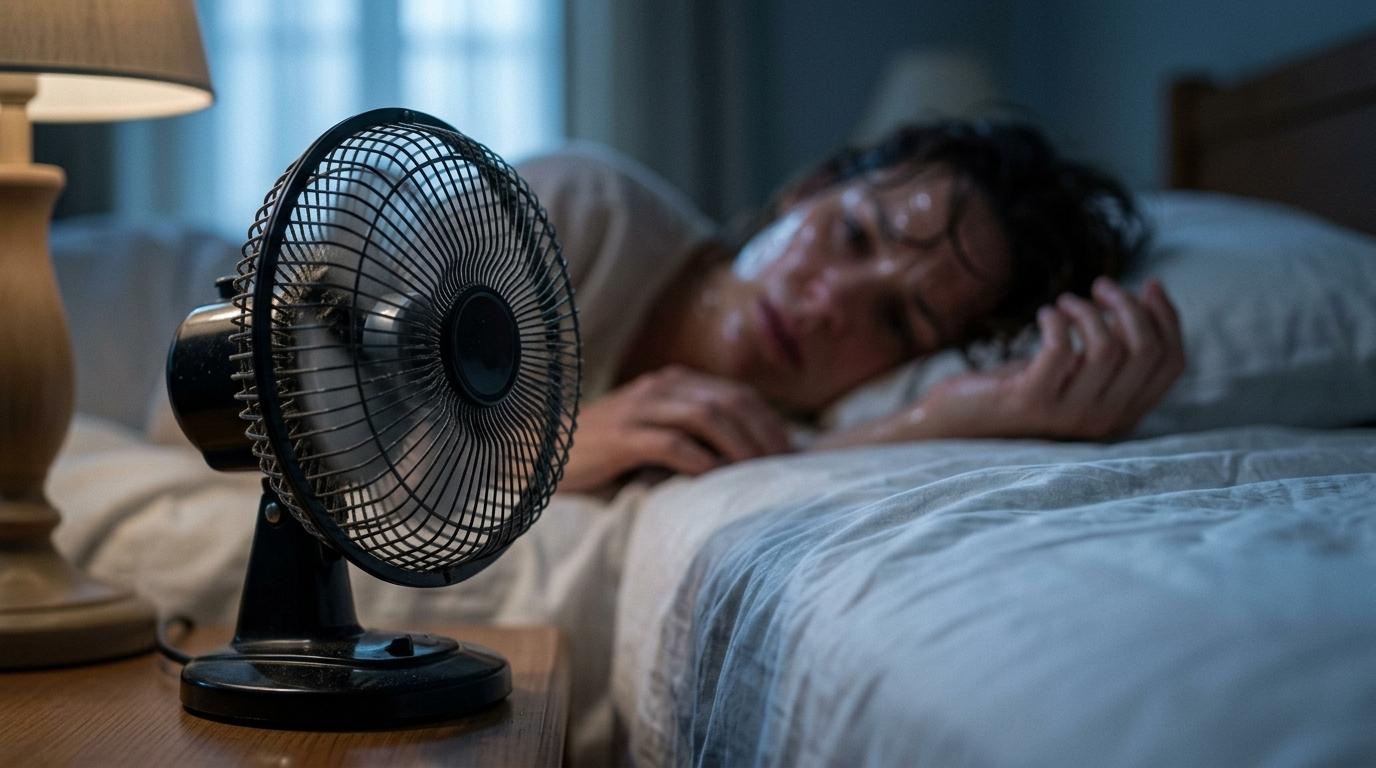
Can ceftriaxone (Rocephin) night sweats happen? Learn when sweating signals a side effect, infection, or urgent reaction, plus red flags to watch.
Night sweats can turn a routine antibiotic course into a string of rough nights, poor sleep, and second guessing about whether the medicine is helping or hurting. With ceftriaxone, sold as Rocephin, the real challenge is sorting out three possibilities, a medication effect, the infection itself, or a reaction that needs prompt care. That matters because the right next step is different in each case. If you know what patterns to watch, you can sleep a little easier and act faster when something looks off, while also ensuring that your ceftriaxone dosage is appropriate to minimize antibiotic resistance.
Yes, ceftriaxone, sold as Rocephin, can coincide with night sweats, but the infection being treated is often the more common cause. Sweating alone is usually not enough to blame the drug, or to dismiss the many other beneficial effects, commonly referred to as the Rocephin benefits, such as its ability to treat bacterial infections like pneumonia, kidney infections, meningitis, pelvic inflammatory disease, and post-surgery complications. In addition, ensuring proper ceftriaxone dosage is key to reducing the risk of antibiotic resistance.
Ceftriaxone is a third-generation cephalosporin used for conditions like pneumonia, kidney infections, Lyme disease, serious bloodstream infections, and even surgical prophylaxis in some cases. Night sweats can show up while you’re on it, but that does not automatically mean Rocephin is the culprit. People often sweat at night when a fever breaks, when inflammation is settling down, or when the underlying illness is still active.
A common misconception is that any sweating after an antibiotic dose indicates an allergic reaction, but that’s not usually true. Allergic reactions become more likely when sweating comes with hives, facial swelling, wheezing, throat tightness, or dizziness. Other side effects, like headache, vomiting, or even rarer complications such as pancreatitis and hemolytic anemia, can also occur, however, these are usually not the reason to stop treatment unless they persist or worsen.
The timing matters. If the sweating started before the first dose, the infection moves higher on the list. If it begins soon after each dose and repeats in the same pattern, the medication becomes more suspect.
It can happen. Ceftriaxone and your immune system can contribute to sweating through fever changes, shifts in inflammation, or a drug reaction, especially in the first few doses. People should be aware of all potential side effects, which, in addition to night sweats, may include headache and vomiting.
There are a few ways this happens. One is simple fever physiology. When your temperature drops, your body dumps heat through sweating, and that can feel dramatic at 2 a.m., even when treatment is working. Moreover, proper ceftriaxone dosage helps to control the infection and reduce the possibility of antibiotic resistance.
Another pathway is a medication reaction. Ceftriaxone can cause side effects that raise suspicion, including flushing, feeling hot, nausea, or, in more rare instances, allergic reactions or pancreatitis. If sweating comes with a rash or breathing symptoms, treat that as urgent medical attention. Dehydration can worsen the overall cycle, so if you’re sick, not drinking enough, and sleeping under heavy bedding, your body may have less room to regulate temperature. Pro tip, check your room, bedding, and hydration before assuming the antibiotic itself is entirely to blame.
Start with cooling the bed, not just the room. A targeted setup, like a bFan from www.bedfan.com and tighter-weave sheets, often works better than cranking the thermostat alone.
If you need practical relief tonight, focus on measures that lower trapped heat and moisture around your body while keeping an eye on symptoms that could mean something more serious. It is also important to remember that other ceftriaxone side effects, such as headache, vomiting, or changes in body temperature, might appear, so note all symptoms carefully.
Pattern beats guesswork. Ceftriaxone-related sweating usually tracks with dosing, while infection-related sweating more often tracks with fever, worsening symptoms, or sweats that were present before treatment began.

Think through the timeline. If you had drenching night sweats for days before Rocephin, the underlying illness is still the leading explanation. This is common with pneumonia, pyelonephritis, osteomyelitis, or endocarditis. It is also important to mention that ceftriaxone is used to treat bacterial infections such as meningitis and pelvic inflammatory disease. Also, during the treatment, note if you experience additional side effects like headache or vomiting.
If the sweating shows up within a fairly tight window after each injection or infusion, the drug effect moves up the list. That still doesn’t prove an allergic reaction, as it may reflect a temporary medication response, the body handling a falling fever, or even anxiety around dosing.
Here’s a useful if-then shortcut. If the sweats are improving as your fever, cough, pain, or urinary symptoms improve, treatment may be working. If the sweats are getting worse while you still have fever, chills, or new pain, ask whether the infection is still active, or whether something else, like a line infection or abscess, needs attention.
Use a three-step log. Record the ceftriaxone dose time (and check that your prescribed ceftriaxone dosage is correct), your temperature, and any paired symptoms like rash, diarrhea, headache, vomiting, or shortness of breath.
They feel different when you look at the full picture. Fever sweats often come with a falling temperature, sepsis adds instability, and allergic reactions add hives or breathing symptoms.
A fever break usually brings warmth, sweating, and then relief. You may feel less achy afterward, and that can happen during recovery from pneumonia or a kidney infection.
Sepsis is a different level. If sweating comes with confusion, a fast heart rate, low blood pressure, shaking chills, or trouble breathing, don’t sit on it. Ceftriaxone may be part of treatment, but those signs point to urgent medical attention.
Allergic reactions usually add skin or airway clues. If sweating is paired with hives, lip swelling, wheezing, or throat tightness, seek urgent care. If sweating is isolated without rash or respiratory symptoms, a life-threatening drug reaction is less likely, though you should still report it if it keeps happening. Rare side effects, such as pancreatitis, should be discussed with your clinician as well.
Night sweats become urgent when ceftriaxone is paired with breathing trouble, rash, severe diarrhea, confusion, or ongoing high fever. Rocephin should not be stopped casually, but red flags change the plan.
Most sweating episodes are bothersome, not dangerous. The concern rises when the sweating is part of a bigger pattern that suggests allergic reactions, worsening infection, organ stress, or a new complication like hemolytic anemia or even pancreatitis. Watch for these warning signs:
Another common mistake is waiting because you think it is probably just the antibiotic. If the sweats are drenching enough that you’re changing clothes or sheets nightly, and you’re not clearly improving, even if you are experiencing the expected Rocephin benefits, contact your clinician. This is especially important during pregnancy, where both the mother and fetus, including the newborn in cases of breastfeeding, are monitored carefully. Clinicians also note that ceftriaxone can interact with calcium, so it is essential to use proper techniques when administering this medication, particularly in newborns.
Use a bed-focused setup first. A cool room, a bed fan, and the right sheets usually work better than lowering whole-home AC by several degrees.
Start with the room. Sleep experts recommend 60°F to 67°F, and that is the usual target range because body temperature naturally drops as sleep begins. If your room is warmer than that, bring it down first.
Then cool the bed microclimate. A bed fan does not chill air, it uses the cooler air already in the room and pushes it under the covers where heat gets trapped. That is why many people can keep the room about 5°F warmer and still sleep comfortably. If you share a bed, two bFans can create dual-zone microclimate control so each sleeper has separate airflow.
Finish with the sheet setup. Tight-weave sheets often work better than very loose weaves because they guide the airflow across your skin instead of letting it escape upward. A timer can help you taper airflow after sleep onset if you only overheat during the first few hours.
For most hot sleepers, a bFan bed fan is the simpler value pick. BedJet adds features, but both systems use room air, and neither one cools the air. If your goal is medication-related heat relief at the lowest running cost, a bed fan is hard to beat. The original bedfan came to market several years before BedJet was even thought of, and the concept is still effective because the problem is trapped heat under bedding, not usually a lack of whole-room cooling.
There is a trade-off between features and cost. Remember, one BedJet is more than twice the price of a single bedfan, and the dual-zone BedJet is over a thousand dollars and more than twice the price of two bedfans. The bedfan offers dual-zone microclimate control using two fans, and it offers timer controls to reach recommended sleep, making it a practical choice for many.
There is also the daily-use side. The bedfan runs around 28 dB to 32 dB at normal operating speed and uses about 18 watts on average, which is low. A common misconception is that more airflow always means better sleep. In practice, many people sleep better with steady, quieter airflow and the right sheet setup than with a raw blast.
Be specific, and tell your clinician when the ceftriaxone dose happens, when the sweating starts, and whether fever, rash, or diarrhea happen at the same time. Also mention if you experience additional side effects such as headache, vomiting, or signs of pancreatitis, because it is equally important to discuss any concerns regarding medication interactions, particularly if you are pregnant or breastfeeding, since caution is advised in these situations. If you have a history of anemia or have experienced hemolytic anemia during previous treatments, make sure to bring it up.
Keep it simple and organized, and start with the timeline, for example, "I get Rocephin at 7 p.m., then wake up soaked around 1 a.m." Next, report your temperature trend and whether the original infection symptoms are improving. Then add anything that could change the differential, such as new meds, recent surgery, alcohol use, steroid use, blood sugar lows, or recent travel. Ask direct questions like whether the sweating might be related to the ceftriaxone dosage versus the severe bacterial infections it is treating, such as meningitis or pelvic inflammatory disease, and whether you need labs, stool testing, or a medication change. Should you continue the current dose if the sweats are isolated, or do your other symptoms suggest you need urgent reassessment?
If you’re on ceftriaxone for a serious infection, do not stop it on your own unless you’ve been told to, or unless you’re having signs of a severe reaction. Most of the time, the fastest way to sort out night sweats is a clean symptom history, not guesswork.
In summary, ceftriaxone, with its broad-spectrum benefits against bacterial infections, remains an effective treatment even though it may cause side effects such as night sweats, headache, vomiting, or even rarer complications like pancreatitis and hemolytic anemia. Always consider the context, including pregnancy, breastfeeding, and potential interactions with calcium, when evaluating these symptoms, and consult your clinician for medical attention if red flags arise.