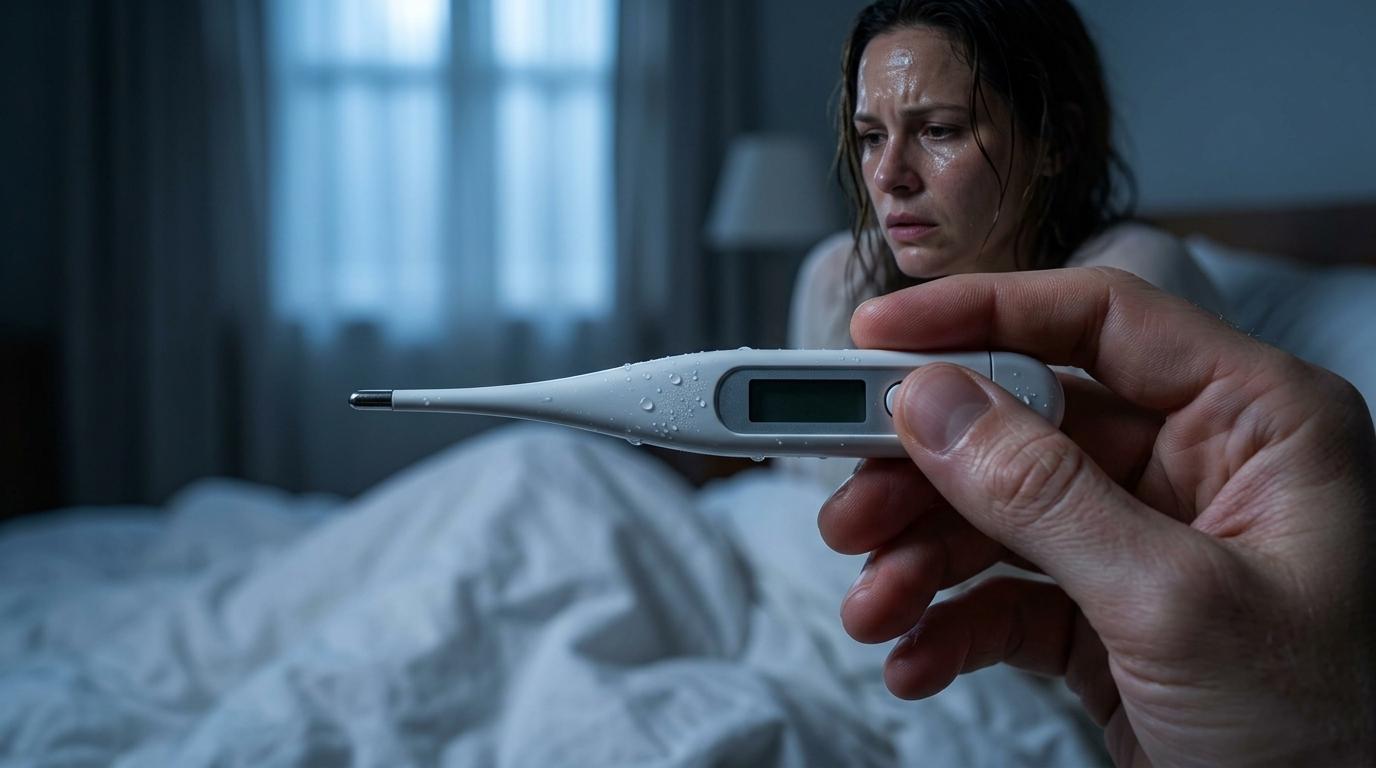
Irinotecan (Camptosar) night sweats may stem from cholinergic effects, infection, dehydration, or other meds; know when to call your care team.
If you’re having night sweats during irinotecan, sold as Camptosar, you’re not imagining it, and you’re not the only one. This chemotherapy drug, which plays a key role in cancer therapy, is best known for diarrhea, nausea, low blood counts, vomiting, and fatigue, but sweating can show up too. While many patient experiences focus on these common side effects, sweating, which can be linked to other drug reactions, can also be significant. Sometimes it is tied directly to the medicine, possibly even during an injection or infusion, and sometimes it is part of a bigger picture, including infection, fever, dehydration, other medicines, or even the cancer itself.
That is why night sweats during treatment deserve a closer look. A sweaty night once in a while may be manageable. Repeated drenching sweats, chills, or sweats with fever are different, and those need attention from your oncology team.
Irinotecan can trigger sweating through more than one pathway. One of the clearest is a cholinergic reaction, a drug reaction related effect that can happen during treatment or soon after an injection. This reaction can cause sweating, abdominal cramping, diarrhea, a runny nose, watery eyes, extra saliva, and sometimes even vomiting. If you have noticed sweating around infusion day, that timing matters.
There is also a second layer. Irinotecan can irritate the gut, lead to loose stools, and leave you a bit dried out. When your body is under that kind of stress from chemotherapy, temperature control can get messy. You may feel cold, then hot, then sweaty, especially overnight when bedding traps heat.
In some cases, the medicine is only part of the story. Cancer treatment often comes with steroid medicines, nausea medicines, pain medicines, and anti-anxiety drugs, all of which can shift how your body handles heat and sweat. If you started having night sweats after a new medication was added, that detail is worth bringing up. In rare cases, anaphylaxis or other serious allergic drug reactions may also factor into the overall picture of side effects.
Night sweats during Camptosar treatment usually fall into a few common buckets. The tricky part is that they can overlap. A person might have mild sweating from the drug itself and then have it get much worse because of fever or dehydration.
Your treatment schedule can offer clues. Sweats that start during infusion or within hours can point more toward a drug reaction or side effect of the infusion or injection. Sweats that appear a week later, especially with feeling unwell, may raise more concern about infection or low blood counts.
Here are the most common causes your care team may consider:
One thing matters a lot here, context. If your night sweats were present before your chemotherapy began, the cancer itself or another medicine may be involved. If they showed up right after irinotecan began, the drug moves higher on the list, and your patient experiences may offer clues to the precise cause.
This is the part to take seriously. Irinotecan can lower infection-fighting blood cells, so night sweats are not something to brush off when they come with fever or chills. Oncology teams usually want to hear about a temperature of 100.4°F or higher during treatment, even if you think it is “just a little fever.”
Sweats can also be a clue that severe diarrhea is catching up with you. If you are losing fluids, feeling lightheaded, or too weak to drink, that can quickly turn into a same-day medical issue. And if you are shaking, confused, short of breath, or having chest pain, do not wait around to see if it passes.
Call your cancer team right away if night sweats happen with any of the following:
Even without a fever, drenching sweats that soak clothing or bedding night after night are worth reporting. They may not be an emergency, but they are still a meaningful symptom in the overall spectrum of chemotherapy side effects.
When you tell your team about night sweats, they will start with timing. Did it happen on infusion day, the next night, or a week later? Was it just mild sweating, or did you wake up soaked? Did you also have diarrhea, cramping, chills, a cough, or was a new medicine added recently? Your patient experiences and detailed symptom log can provide clues that help differentiate between a common side effect and a life-threatening situation such as anaphylaxis.

Blood work is often part of the check. Low white blood cells can point toward infection risk. Your team may also ask about your temperature log, bowel pattern, fluid intake, and whether you have lost weight or had sweats before treatment even began.
If the sweating seems tied to a cholinergic reaction, a drug reaction typical of some chemotherapy injections, your team may adjust how they prevent or manage that around future irinotecan infusions. If infection is a concern, they may want you seen quickly. And if the issue is mainly heat trapped under blankets, then making home changes can make a real difference.
Sleep experts recommend a bedroom temperature between 60°F and 67°F for better sleep. That range can be hard to maintain if you live with someone who gets cold or if you do not want to run the air conditioning all night. Still, even small adjustments can matter when you are dealing with chemo-related sweating.
This is where targeted airflow can help more than blasting the whole room. A bed fan does not cool the air; it uses the cooler air already in the room and sends it between your sheets, where body heat tends to get trapped. That helps carry heat and moisture away from your skin, a simple but effective strategy to ease chemotherapy side effects without interfering with your overall cancer therapy plan.
A practical option is the bFan bed fan. It sits at the foot of the bed and moves room air under the covers. The bed fan sound level is between 28db and 32db at normal operating speed, so it is quiet enough for most bedrooms, and it uses only 18 watts on average. Many people can raise room temperature by about 5°F and still sleep cool with a bFan, which can help if you are trying to rest without overcooling the whole house.
Tight weave sheets work best with a bed fan because they help the airflow travel across your body instead of escaping too quickly. If you share a bed and only one of you sleeps hot, two bFans can create dual-zone microclimate control, one for each side. People often compare these products to Bedjet, so here is the plain version. The original bFan came to market several years before Bedjet was even thought of. Neither bFan or Bedjet cool the air. They only use the cool air already in the room to cool your bed. The Bedjet does not cool the air either. Price matters too. One Bedjet is more than twice the price of a single bFan, and the dual-zone Bedjet is over a thousand dollars and more than twice the price of two bFans.
The bed fan offers timer controls to reach recommended sleep. Always remember that sleep experts recommend a room temperature between 60°F and 67°F and with a bFan people can often raise room temperature by about 5°F and still sleep cool.
You probably cannot remove every cause of sweating while you are on chemo, but you can lower the odds of getting trapped in a hot bed all night. Small changes stack up.
A lot of people focus only on room temperature, but bedding, hydration, and evening habits can matter just as much. If you are already dealing with diarrhea from irinotecan, staying ahead on fluids becomes even more important.
A few practical steps can make nights easier:
If you wake up sweaty often, keep a spare shirt and pillowcase nearby. That sounds simple, but it can spare you a full bedding change at 2 a.m., which matters when you are already tired from treatment.
When symptoms happen during cancer therapy, it is easy to mention them quickly and move on. Try to be specific instead. The more detail you give, the easier it is for your team to separate a manageable side effect from something that needs testing or treatment.
You do not need to self-diagnose the cause before calling. Just describe what you are experiencing, when it started, how often it happens, and what other symptoms came with it. This is especially important if you notice signs that could hint at anaphylaxis or other severe drug reactions.
Helpful questions to bring up include:
One last point. Keep a basic symptom log for a week or two. Write down the time of the sweating, whether your clothes or sheets were soaked, your temperature, any diarrhea, and what day you were on after infusion. That kind of pattern is often what helps your team decide what comes next and can provide valuable insight into your overall patient experiences during chemotherapy.
Remember, while there are many controllable causes of night sweats, celebrating the small wins, from managing mild side effects to averting potentially life-threatening complications, can make a big difference in your day-to-day life during cancer therapy.
Night sweats during irinotecan (Camptosar) treatment are often a side effect of the body’s response to chemotherapy. The drug can disrupt your body’s temperature regulation, leading to episodes of sweating at night. Sometimes, these sweats are also linked to fever or infection, so it’s important to let your healthcare team know if you notice this symptom.
Night sweats alone are not typically a sign of an allergic reaction to irinotecan. Allergic reactions usually involve symptoms like rash, itching, swelling, or trouble breathing. However, if night sweats happen alongside these other symptoms, seek medical attention right away. Always keep your doctor informed about any new or worsening side effects.
To manage night sweats, keep your bedroom cool and wear lightweight, breathable pajamas. Use sheets with a tight weave to help air flow across your body and carry away heat. Many people find relief with a bedfan, like the bFan from www.bedfan.com, which helps circulate cool air under your sheets and can make a big difference in comfort.
While night sweats are a known side effect of irinotecan, they can sometimes signal an infection or other complication. If your night sweats are severe, come with a fever, or are paired with other symptoms like chills or fatigue, contact your healthcare provider. It’s always better to check in and make sure nothing serious is going on.
Yes, adjusting your room temperature can help. Sleep experts recommend keeping your bedroom between 60°F and 67°F for optimal sleep. With a bedfan, you can often raise your room temperature by about 5°F and still sleep cool, which can be especially helpful if you’re sensitive to cold air but still want relief from night sweats.
Absolutely. Products like the bFan or bedfan are designed to improve airflow under your sheets, helping to keep you cool and comfortable. Unlike some more expensive options, like the Bedjet, the bedfan is energy efficient, uses only 18 watts on average, and offers dual-zone microclimate control with two fans. Plus, it’s much more affordable, with the dual zone Bedjet costing over a thousand dollars, more than twice the price of two bedfans.
Yes, using a fan or bedfan is generally safe during chemotherapy, as long as you’re not experiencing chills or other symptoms that could be worsened by cool air. Always use clean sheets and keep your sleeping area hygienic, since chemotherapy can lower your immune system. If you have concerns, check with your healthcare provider for personalized advice.
Individual reactions to irinotecan can vary based on factors like age, overall health, and other medications you may be taking. Some people’s bodies are more sensitive to changes in temperature regulation caused by chemotherapy. If your night sweats are particularly bothersome, talk to your doctor about possible adjustments to your treatment plan or supportive care options.
All links have been checked and are currently working, leading to authoritative and up-to-date resources.



