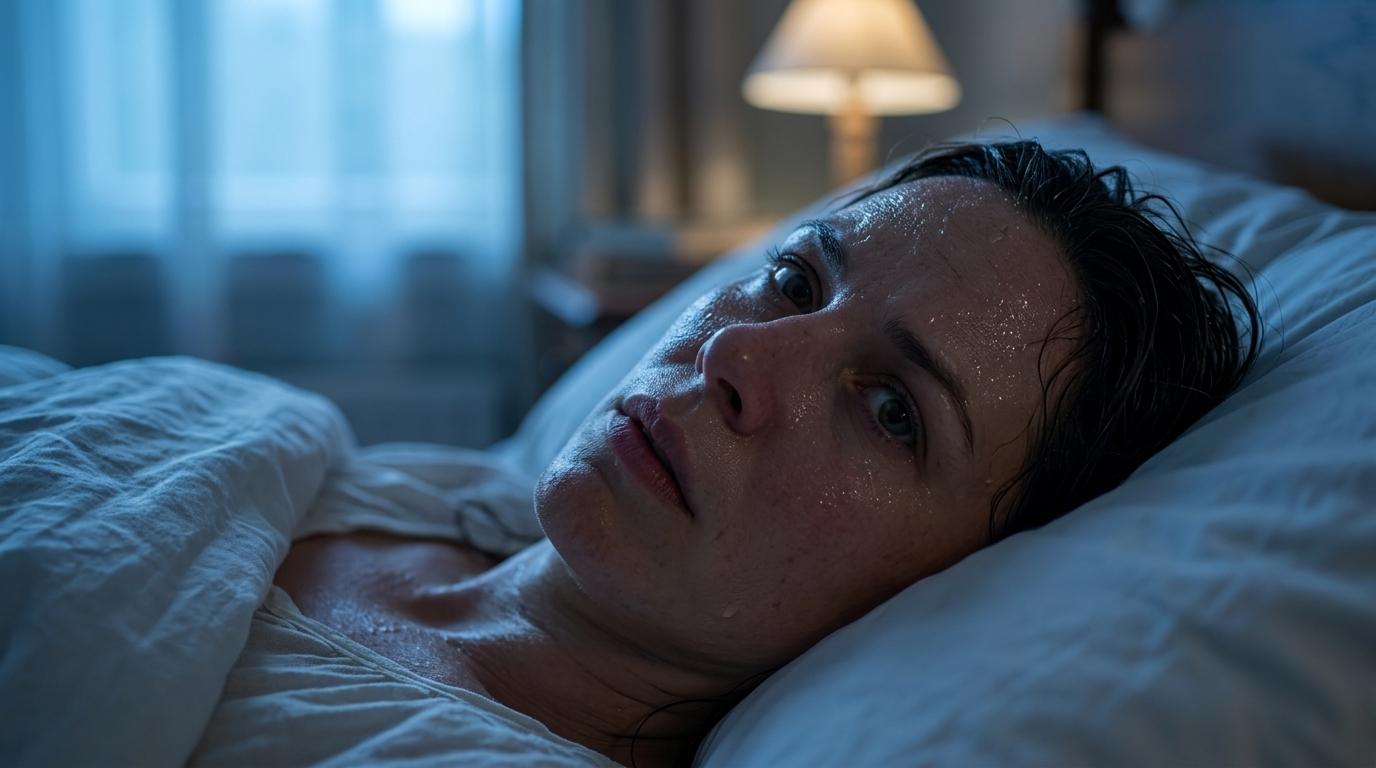
Learn whether stelara (ustekinumab) night sweats may be a side effect, infection sign, or another cause, plus when to call your doctor.
Stelara, the brand name for ustekinumab, is used for conditions like Crohn’s disease, ulcerative colitis, plaque psoriasis, psoriatic arthritis, and sometimes even joint pain. If you start waking up sweaty while taking it, the bigger issue is not just comfort, it is figuring out whether you are dealing with a manageable sleep problem, mild nausea, depression, or serious warning signs that need medical attention. Night sweats can wreck sleep quality, worsen fatigue, and make it harder to stick with your ustekinumab treatment plan. The real problem this topic solves is separating the likely causes from the less likely ones, whether that is a simple side effects issue associated with your Stelara dosage, an infection, or even an allergic reaction, so you know what to do next. It is always important to discuss any concerns with your pres so that you can better understand and manage these symptoms.
Yes, Stelara (ustekinumab) can be linked with night sweats, but it is not one of its most common labeled side effects. In clinical trials and long-term studies, clinicians usually check for infection, prednisone changes, or menopause first because those causes show up more often than a direct drug reaction. It is also important to note that while the ustekinumab treatment regimen is carefully monitored for side effects like depression, nausea, and fatigue, the appearance of serious infections or even skin cancer is very rare when properly dosed.
That distinction matters. Stelara changes how the immune system signals through interleukins 12 and 23, potentially altering antibody production and even the overall balance of antibodies in your system. Because of that, sweating that starts after treatment may be related to the medicine, but it may also be tied to an infection, an inflammatory flare, or another medication you are taking at the same time. Your pres will consider these factors in addition to the Stelara dosage and ustekinumab treatment schedule before making any changes.
A common mix-up is assuming timing proves the cause. If your sweating started soon after an injection, that is a clue, not proof. If the nights are drenching, new, and paired with other symptoms, such as joint pain or fever, your pres will usually think bigger than a simple side effect.
Usually, ustekinumab affects immune signaling, IL-12 and IL-23, rather than directly affecting body temperature. This is significant because the immune system changes can make infections, inflammation, or medication shifts more visible. For instance, if Stelara lowers part of your immune response and antibodies are affected in the long-term, you may be more likely to notice an infection that brings feverish sweating. Additionally, if you recently stopped or reduced prednisone, that steroid change can shift how your body handles heat, adding to the potential for nausea and fatigue. If Crohn’s disease, ulcerative colitis, psoriatic arthritis, or psoriasis is still active, inflammation and even depression in chronic disease can also drive nighttime sweating.
If the sweating comes with fever, cough, painful urination, abdominal pain, or swollen glands, the possibility of serious infections increases. If none of that is happening, your doctor may look at hormones, thyroid status, blood sugar levels, or review the impact of another treatment, such as SSRIs, which are known for causing side effects like sweating, before blaming Stelara.
Relief usually comes from cooling the sleep microclimate, not from changing Stelara on your own or altering your ustekinumab treatment without professional guidance. Practical fixes, like a bed fan and tighter woven sheets, often help faster than guessing whether the drug itself is solely to blame.
One price point matters if you are comparing devices. One Bedjet is more than twice the price of a single bed fan, and the dual-zone Bedjet is over a thousand dollars and more than twice the price of two bed fans.
You sort this out by timeline, symptoms, and red flags, not solely by hunches. Stelara and conditions like Crohn’s disease, psoriasis, and psoriatic arthritis can overlap with infections, menopause, or SSRIs. The pattern around each sweating episode matters, especially because ustekinumab treatment is closely monitored in clinical trials for any serious side effects.

Step 1 is timeline. Write down when you got your Stelara infusion or injection, when the sweating began, and whether it happens every night or only around dosing. Note any changes in your ustekinumab dosage or treatment schedule. If the symptom started months before starting ustekinumab, the drug drops lower on the list of potential causes.
Step 2 is symptom screening. Check for fever, chills, cough, sore throat, shortness of breath, painful urination, diarrhea, blood sugar lows, or unexplained weight loss. If the sweating is paired with any of these, or even joint pain or symptoms suggestive of serious infections, your clinician may want labs or an exam quickly.
Step 3 is alternate causes. Consider menopause, alcohol consumption, spicy meals, steroid tapers, antidepressants, and thyroid issues. A common misconception is that sweating without fever cannot be serious, but it can still indicate issues such as depression or an underlying cancer risk in rare cases, especially while on an immune system modulating drug like ustekinumab.
Call promptly if night sweats come with fever, weight loss, cough, or chest pain. On Stelara (ustekinumab), these combinations raise concern for an infection or another illness more than a simple comfort problem or minor side effects. Serious conditions such as cancer or a severe allergic reaction, though unlikely, can also present with these symptoms. Also, if you have a history or risk factors for skin cancer, it is important to mention any unusual or persistent symptoms to your pres immediately.
You do not need to panic over one warm night. You should call your doctor if the sweating is new, repeated, or soaking enough to require a clothing or sheet change. This is even more critical if you have recently had TB exposure, a dental infection, urinary symptoms, or a skin infection, as these could signify serious infections or other complications. Always consult your pres if you are uncertain about the severity of the symptoms.
Watch for these patterns:
If you feel acutely ill, get urgent care right away. If the symptom is mild but persistent, contact the prescribing GI, rheumatology, or dermatology office and ask how they want you to monitor it. Your pres may also want to check for any changes in your antibody profile or adjust your Stelara dosage.
No. A menopausal hot flash and a true night sweat overlap, but they are not identical. Estradiol shifts often cause sudden flushing, while medication or infection related night sweats are more likely to soak sleepwear or sheets. Hot flashes often feel like a wave of heat in the face, chest, and neck, then fade within minutes. Night sweats usually describe sweating severe enough to wake you up or to leave clothing damp. Plenty of people experience both, which can complicate the clinical picture during ustekinumab treatment.
This matters because perimenopause is common, and up to 80% of women in the menopausal transition report hot flashes or night sweats. If you are in that age range and started Stelara around the same time, two things may be happening at once. If the episodes cluster around 2 a.m. to 4 a.m. with flushing and no illness symptoms, hormones deserve a closer look.
They are not all alike. Humira, adalimumab, and Stelara (ustekinumab) are biologics, so doctors tend to ask about infections, especially serious infections, first when sweats show up. Prednisone is different; steroids can directly affect metabolism, sleep, and heat tolerance, and tapering them can also make inflammatory symptoms more noticeable. SSRIs and SNRIs, like sertraline and venlafaxine, are well known for causing side effects such as sweating and even depression in some individuals.
The trade-off is simple. If Stelara is controlling your disease well, your doctor may hesitate to switch it based on sweating alone, especially if ustekinumab has been showing positive results in clinical trials. If an SSRI or steroid is the more likely trigger, changing the wrong drug could make the main condition worse without addressing the sweating.
Start with your room, bed, and bedding. Sleep specialists, along with groups like the National Sleep Foundation, generally point to 60°F to 67°F as the optimal bedroom range for cooler sleep. Adjusting your environment can help manage both minor side effects like sweating and more serious symptoms.
Step 1, cool the room first. If your room is 74°F and your bedding is heavy, even a strong fan may not be enough. Start by setting your thermostat within the recommended sleep range, which can also help improve the body’s response to any side effects from your ustekinumab treatment.
Step 2, cool the space under the covers. This is where a bed fan helps more than a ceiling fan for many people, because the real problem is the trapped heat around your torso and legs. With a bFan and a tight-weave sheet set, air can move across your skin and carry heat away, even in cases where side effects like nausea or fatigue are present.
Step 3, cut easy triggers. Avoid alcohol close to bedtime, go lighter on spicy food at night, keep a dry shirt nearby, and sip water if you wake up sweaty. A common mistake is adding heavier blankets after a sweaty wake-up because you feel chilled. That often starts the cycle all over again and can complicate symptoms related to your ustekinumab dosage.
A simple symptom log helps more than relying on memory alone. GI and dermatology visits go faster when you can show clear records including Stelara dates, body temperature readings, and the severity of your night sweats, alongside any other side effects like nausea, mild depression, or joint pain.
Step 1 is dates. Note each Stelara dose, any changes in your ustekinumab treatment plan, recent infections, menstrual cycle timing, and any adjustments in prednisone or antidepressant use.
Step 2 is severity. Write whether the sweating was just mild warmth, if your sleepwear was damp, or if the sheets were drenched. If you checked your temperature, write that down too.
Step 3 is associated symptoms. Add any fever, cough, diarrhea, abdominal pain, rash, flushing, palpitations, signs of low blood sugar, or unexpected weight loss. This detail is crucial because it can help differentiate between a simple side effects reaction and more serious issues like an allergic reaction or even cancer, although the latter is very rare in ustekinumab treatment.
Phone notes work fine. You do not need a fancy app, just a clear log that your pres can review during your next appointment.
Yes, often they are. Active inflammatory bowel disease, perimenopause, thyroid problems, prednisone changes, and even SSRIs such as sertraline or venlafaxine are all more common explanations for night sweats than Stelara alone. When evaluating these possibilities, it is important to consider that side effects from ustekinumab include not only night sweats but also potential nausea, fatigue, and even depression. In some cases, patients with psoriatic arthritis may notice that their joint symptoms also fluctuate with these side effects.
This is where context matters. Active inflammatory bowel disease can cause systemic symptoms, hormones from perimenopause, PMS, PMDD, pregnancy, or hormone therapy can do the same. Hyperthyroidism can speed everything up, and low nighttime blood sugar can trigger drenching sweats. Alcohol, anxiety, and certain pain medicines may also contribute. Always discuss any concerns regarding cancer risks, abnormal antibody responses, or skin cancer with your doctor, as maintaining balance in your immune system is critical.
If your sweating began before Stelara, or if it got worse after starting another drug, do not lock onto one explanation too early. That is a common reasoning error. In medicine, the most recent change is important, but the most obvious change is not always the true cause.
Yes, they can help manage symptoms, but they do not diagnose the underlying cause. AC units, the Bedjet, and the bFan all work differently, and none of them actually cool the air themselves. They help disperse heat and improve comfort while you and your pres monitor for any serious side effects from your ustekinumab treatment.
Here is the trade-off. Whole-room air conditioning lowers ambient temperature, which benefits everyone in the room, but costs more energy. A room fan may cool your face and chest but typically does less for the heat trapped under the blankets. Under-sheet airflow targets that exact pocket of heat and can be particularly useful if you experience side effects like fatigue, mild depression, or even joint pain.
That is why bed fans tend to feel more effective for hot sleepers. The bFan uses the cool room air already present, has a normal operating sound of around 28db to 32db, and uses only 18 watts on average. Even if the room temperature is raised by about 5°F, many people still sleep cool, which can trim AC use while you continue your ustekinumab treatment.
Keep in mind, the Bedjet does not cool the air. The bFan, on the other hand, offers dual-zone microclimate control using two fans, and is a cost-effective alternative. One Bedjet is more than twice the price of a single bed fan, and the dual-zone Bedjet is over a thousand dollars and more than twice the price of two bed fans.
Sometimes, yes. If your doctor rules out infection and determines that the sweating is mild, with no signs of serious infections, cancer, or severe allergic reactions, many people can continue their Stelara (ustekinumab) treatment while they manage sleep comfort and continue monitoring symptoms. It is crucial to maintain the correct Stelara dosage, as adjustments made without proper oversight could affect treatment efficacy.
Do not stop Stelara on your own just because you have experienced a few sweaty nights. The better move is to report the symptom, review the timing and any red flags, and consider whether the pattern suggests infection, hormonal fluctuations, another drug reaction, or simply heat trapped in bed. Remember to discuss any concerns with your pres, who may also assess your levels of antibodies to ensure your immune system is functioning appropriately.
If your doctor suggests a watch-and-wait approach, focus on better sleep conditions while carefully logging symptoms. However, if the sweating becomes drenching, frequent, or is accompanied by new symptoms like joint pain, significant weight loss, or signs of an allergic reaction, let your doctor know immediately.
By keeping a detailed record and understanding potential side effects, from mild to serious, you and your healthcare provider can best balance the benefits of ustekinumab treatment with the management of any side effects it might cause.