Learn what bartonell night sweats may signal, common Bartonella symptoms, possible causes, and when persistent sweating needs medical care.
If you searched for bartonell night sweats, you’re probably looking for Bartonella night sweats, and more importantly, you’re trying to figure out why you keep waking up hot, damp, or fully soaked. That’s a miserable way to sleep, and it can leave you dragging through the next day.
The short version is this, Bartonella infections can be linked with sweating at night, especially when they trigger fever, immune activity, or a more widespread illness. Still, night sweats are not unique to Bartonella. They can also show up with medication side effects, hormone shifts, thyroid problems, sleep apnea, reflux, anxiety, and many other infections. Additionally, chronic infection with Bartonella or even coinfections with other pathogens such as Lyme disease, babesia, and even additional strains of babesia can complicate the clinical picture and influence the health impact of the illness. So if this is happening to you, the goal is not to guess, it’s to look at the full picture through proper testing and blood tests that assess both Bartonella and potential co-infections, including babesia. Proper diagnosis is also the cornerstone of the right treatment plan.
Bartonella is a group of bacteria that can infect humans in different ways. The best known type, Bartonella henselae, is tied to cat scratch disease, while other species can be linked to body lice exposure, bloodstream infection, or, in some cases, endocarditis, which is an infection involving the heart lining or valves. According to the CDC, Bartonella infections can cause fever, enlarged lymph nodes, and a range of symptoms depending on the species, the mode of transmission, and how severe the infection is. In some cases, bartonellosis might become a chronic infection that requires careful diagnosis, including the use of PCR testing for an accurate diagnosis and to rule out associated coinfections such as babesia. Targeted treatment becomes critical when multiple pathogens, including babesia, are involved.
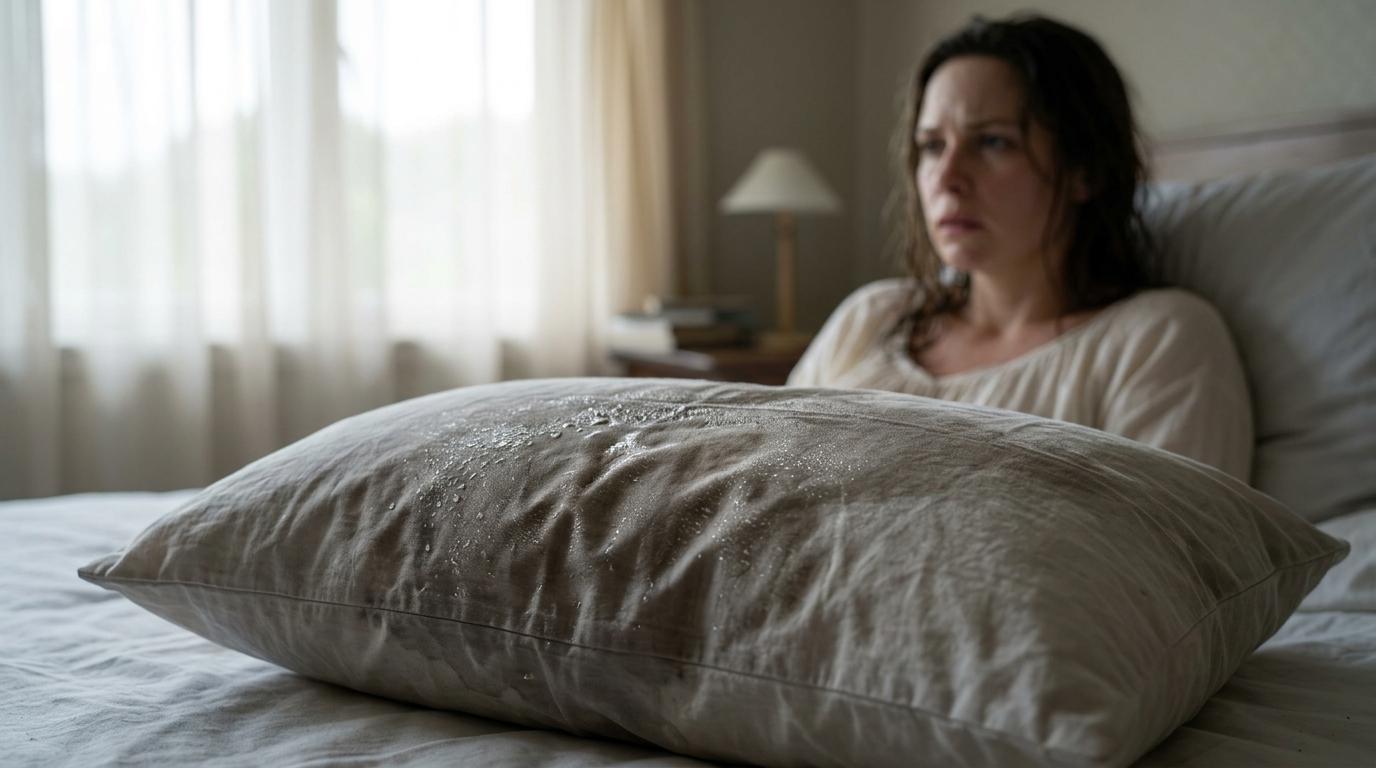
Night sweats can happen when your body is cycling through fever and cooling down, or when inflammation is pushing your temperature regulation off balance. Some people describe this as waking up clammy. Others say their shirt, sheets, or pillow are wet enough that they need to change them.
That difference matters.
A mild warm spell at night is not the same thing as drenching sweats, and drenching sweats deserve more attention, especially if they’ve started recently or are happening with fever, weight loss, swollen nodes, chest symptoms, or unusual fatigue. In these situations, early treatment can help alleviate symptoms and prevent complications from coinfections like babesia.
Bartonella symptoms vary a lot. One person may have swollen glands after a cat scratch and feel run down for a while. Another person may have broader symptoms that are harder to pin down right away. That’s one reason Bartonella can be frustrating, the pattern is not always neat.
If night sweats are part of the picture, they often come with other clues. You’re looking for combinations, not one isolated symptom.
Not everyone gets every symptom, and not every Bartonella infection becomes serious. Even so, persistent night sweats should not be brushed off, especially if your sleep is being wrecked night after night. This is particularly important for those with underlying medical conditions, as the overall health impact of a coinfection with agents like Lyme disease, babesia, or even dual babesia infections can lead to more complicated health scenarios. Recognizing the pattern early may prompt earlier treatment and reduce complications.
Sweating is one of the body’s built-in cooling tools. When an infection stirs up your immune system, chemicals called cytokines can reset your internal thermostat. You may feel chilled first, then hot, then sweaty as your body tries to cool itself back down. That cycle often hits hardest at night, when bedding traps heat and you’re less aware of the temperature shift until you wake up soaked.

There’s also the simple problem of heat trapping. Once your body gets warm under the covers, your mattress, sheets, and comforter can hold that heat close to your skin. If you’re already dealing with fever, inflammation, or stress hormones, the bed itself can make the whole thing feel worse.
Night sweats are also broad, medically speaking. The Cleveland Clinic notes that infections are only one part of the list. Hormone changes, medication side effects, low blood sugar, reflux, and sleep disorders can all show up this way too. That’s why a careful medical review matters, even if Bartonella is already on your radar. In such reviews, blood tests and PCR diagnostics can be invaluable tools for identifying the specific strain of Bartonella and ruling out other co-infections such as babesia. An appropriate treatment strategy may include addressing both the Bartonella infection and any concurrent babesia involvement.
Some symptoms should move you from “I’ll watch this” to “I need help soon.” If night sweats come with chest pain, fainting, trouble breathing, confusion, severe weakness, persistent high fever, or signs of dehydration, don’t wait around. The same goes for new heart symptoms, because some Bartonella infections can involve the heart and bloodstream. Additionally, if you experience air hunger along with these symptoms, seek urgent medical evaluation. Early treatment in cases with co-infections like babesia or even a sudden worsening in conditions such as Lyme disease can make a significant difference in outcomes.
One person described weeks of waking up drenched, blaming the room temperature, only to realize the bigger issue was worsening fatigue, shortness of breath, and a fever that kept returning. What looked like “just sweating at night” turned out to be part of a larger infection workup involving multiple blood tests and diagnostic screening for coinfections such as Lyme disease, babesia, and other pathogens. This kind of scenario may require prompt treatment using a combination of antibiotics and supportive care.
If you’re trying to figure out whether Bartonella is involved, details help. Clinicians usually do better with a timeline than with a general “I’ve been sweating a lot.”
Write it down for a few days, even if you feel silly doing it. Small details—the hour you wake up, whether you had chills first, whether the room felt hot, whether your shirt was damp or soaked—can make the pattern easier to spot. In addition, keeping track of any recent blood tests or PCR testing results can be valuable, especially if you have been evaluated for other related infections or co-infections including babesia. A timely treatment plan hinges on a thorough understanding of your complete symptom profile.
If you have diabetes, thyroid disease, autoimmune illness, or a history of heart valve problems—other significant medical conditions—mention that too. It can change how your clinician thinks through the cause and potential treatment options, especially when considering the impact of co-infections like babesia.
You still need sleep, even while you’re sorting out the medical side.
Most sleep experts recommend a bedroom temperature between 60°F and 67°F, and the Sleep Foundation summarizes that range well. If your room is warmer than that, your bedding has a much easier time trapping heat and turning a mild sweat episode into a miserable one.
Your bedding setup matters more than many people realize. When using a bedfan, it’s best to have sheets with a tight weave, because that helps the air move across your body and carry away heat instead of escaping too fast. Light sleepwear, moisture-wicking fabrics, and a backup shirt or towel near the bed can also make the night less disruptive. In some cases, after starting a treatment plan that includes infection-specific treatment for babesia and Bartonella, managing your environment with a bedfan can be an essential supportive measure.
A targeted option that many hot sleepers like is the bFan bed fan. It sits at the foot of the bed and pushes room air between your sheets. That last part is important, because neither Bedfan nor Bedjet cool the air, they only use the cool air already in the room to cool your bed. If your room air is cooler, the bed feels cooler. With a bed fan, people can often raise the room temperature by about 5°F and still sleep cool, which can help with air conditioning costs too.
The bFan is worth a look if night sweats are waking you repeatedly, because it’s a pretty simple way to deal with trapped heat right where it builds up. At normal operating speed, the sound level is about 28db to 32db, which many people find easy to sleep with. It uses only about 18 watts on average, and timer controls can help you match the first sleep cycles, when getting comfortable matters most. If two people in the same bed need different cooling, using two bedfans gives you dual-zone microclimate control without changing the whole room.
Price comes up a lot here. One Bedjet is more than twice the price of a single bedfan. The dual-zone Bedjet is over a thousand dollars, and more than twice the price of two bedfans. Also, the original bedfan came to market several years before Bedjet was even thought of. That history matters if you’re comparing options and trying to solve one specific problem, getting heat out from under the covers without overspending. While you work with your doctor on the right treatment for your condition, including treatment for any suspected babesia co-infection, the right cooling solution can offer immediate relief.
If you’re dealing with recurring night sweats and Bartonella is a possibility, bring it up directly at your appointment. Ask what else should be ruled out, what exposures matter, and whether your symptom pattern fits a localized infection, a systemic infection, or something else entirely. In many cases, clinicians will recommend blood tests, PCR testing, or other forms of testing to evaluate for Bartonella as well as co-infections with pathogens like Lyme disease and babesia. In particular, if the symptoms are severe, targeted treatment with antibiotics such as azithromycin—often combined with atovaquone in cases of coinfection, including babesia—might be indicated. Follow-up treatment is essential if symptoms linger or worsen, ensuring that both the Bartonella and any concurrent babesia infections are adequately managed.
While you’re working through the medical side, make the nights easier on yourself. Cool the room, simplify the bedding, keep dry sleepwear close by, and consider a targeted airflow option like a bed fan if heat trapped under the covers is the part that keeps jolting you awake. Timely treatment of the infection along with environmental adjustments can significantly improve your quality of sleep.
If you want a practical next step tonight, take five minutes to lower your room temperature, switch to tighter weave sheets, and look at whether a bFan could help remove trapped heat from the bed while you sort out the cause. This article is for education only, not medical advice, and it should not replace evaluation by a licensed clinician. If you have drenching sweats, fever, weight loss, chest symptoms, trouble breathing, or feel seriously unwell, seek medical care promptly and discuss all possible treatment options, including tests for babesia and further evaluation for Lyme disease.
Yes, Bartonella is known to cause night sweats in some individuals. This symptom often appears alongside other issues like chills, temperature fluctuations, and fatigue. Bartonella is a common coinfection in people with Lyme disease, and night sweats are frequently reported by those affected. For more information, see this overview from T Lab Diagnostics.
While both Bartonella and Babesia can cause night sweats, Babesia is more likely to lead to drenching, profuse sweating that soaks clothing and bedding. Bartonella-related night sweats may be milder or intermittent, but they can still disrupt sleep and contribute to overall fatigue. Recognizing the pattern and severity of your night sweats can help your healthcare provider determine which coinfection may be present. Learn more from LymeDisease.org.
Along with night sweats, Bartonella infection may cause neurological symptoms, mood changes, muscle pain, and skin changes such as stretch-mark-like streaks. Some people also experience air hunger, headaches, and tender nodules along the limbs. These symptoms can vary in intensity and may come and go, making diagnosis challenging. For a detailed list, visit LymeDisease.org.
Night sweats themselves are not usually dangerous, but they can be a sign of an underlying infection that needs medical attention. Persistent night sweats can lead to poor sleep, dehydration, and increased fatigue. If you experience ongoing night sweats along with other symptoms like fever, unexplained weight loss, or neurological changes, consult a healthcare provider for evaluation.
To manage night sweats, keep your bedroom cool and use breathable, tightly woven sheets to help air flow across your body and carry away heat. Devices like the bFan can help circulate cool room air under your sheets, providing targeted relief without cooling the air itself. Many people find that using a bedfan allows them to raise their room temperature by about five degrees and still sleep comfortably. For more tips, see our guide on night sweats solutions.
One patient, a 38-year-old teacher from Texas, struggled with nightly sweating that left her exhausted and anxious. She described waking up drenched, needing to change her clothes and sheets several times a week. After months of searching for answers, her doctor identified Bartonella as the cause. With targeted treatment and the use of a bedfan, her night sweats gradually improved, and she was finally able to sleep through the night.
For more information on managing night sweats, see our articles on night sweats and menopause, night sweats in men, night sweats and medication, and night sweats and chronic illness.
If you are experiencing persistent night sweats, always consult a healthcare professional for proper diagnosis and treatment. This content is for informational purposes only and should not be used as a substitute for medical advice.
All links above are active and lead to authoritative, up-to-date resources.