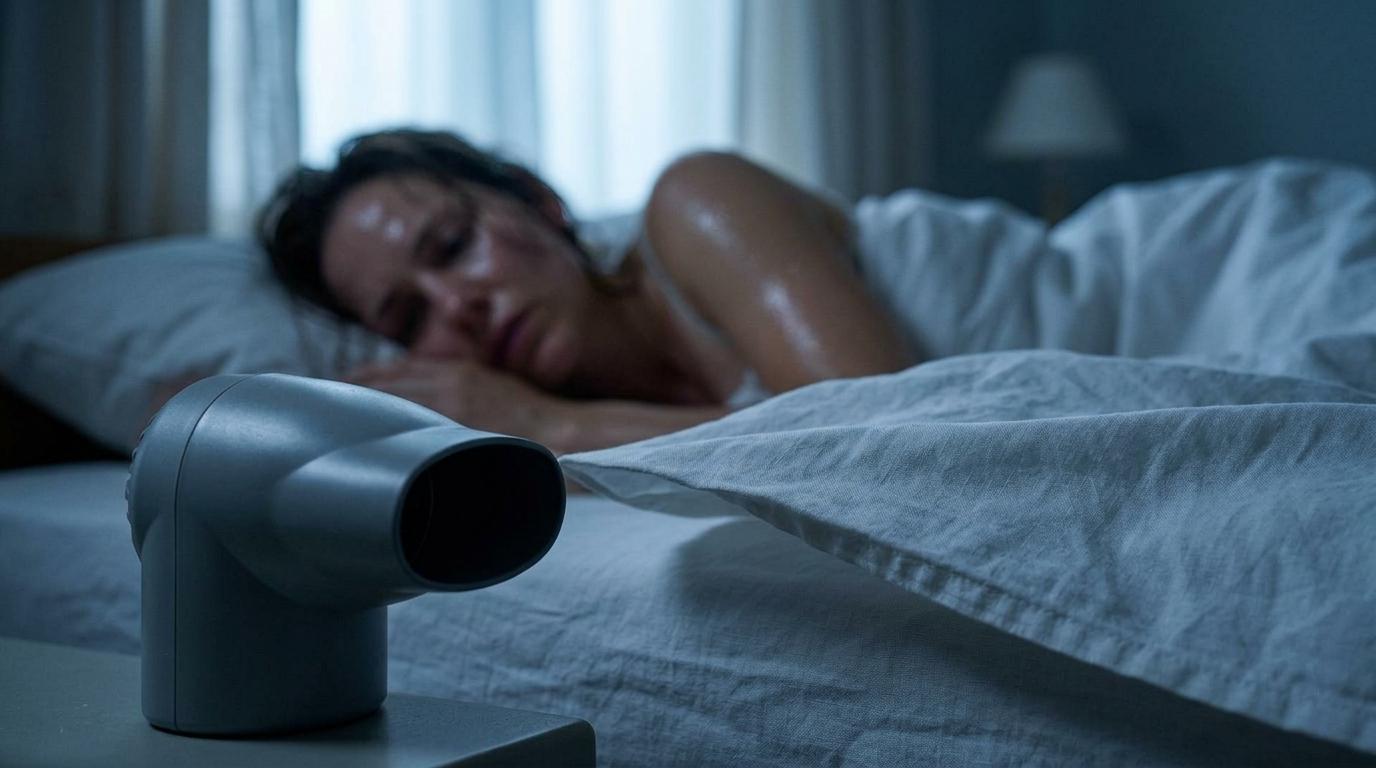
Acyclovir (Zovirax) night sweats may stem from the drug, infection, or fever. Learn causes, warning signs, and ways to sleep cooler.
If you started taking acyclovir, or Zovirax, and then noticed you’re waking up hot, damp, or fully drenched, you’re not imagining the pattern. It’s a fair question to ask, is the medication causing night sweats, or is something else going on at the same time?
The short answer is that acyclovir can be part of the picture, but it often isn’t the whole story. Night sweats, sometimes referred to as acyclovir (Zovirax) night sweats, can come from the infection being treated, a fever response, dehydration, another medication, hormone shifts, anxiety, or a bedroom that’s just too warm for your body right now. The tricky part is figuring out which piece matters most, especially when considering potential drug interactions with other prescriptions you may be taking.
Acyclovir is an antiviral used for conditions such as genital herpes, cold sores, shingles, chickenpox, and related viral infections. Most people recognize common side effects such as nausea, headache, or stomach upset before they consider the less obvious ones. Night sweats are not usually the first side effect people associate with acyclovir. However, sweating can happen while taking acyclovir, and in some cases, it may be tied to how your body is responding to the medicine, including rare side effects like diarrhea or vomiting. In other instances, the timing is misleading, and the real cause is the illness itself. Shingles, active herpes outbreaks, fever, pain, poor sleep, and stress can all push your body temperature around at night.
That’s why it helps to consider timing and context rather than a simple yes or no answer. If the sweating began before your first dose, or it appeared with fever and body aches, the infection may be the stronger suspect. If the sweating started only after you began the medication and nothing else changed, acyclovir deserves a closer look regarding its side effects and any potential interactions.
Many people assume one factor must be solely responsible, but night sweats are often layered. You might be dealing with a viral infection, mild dehydration, poor sleep, and a warm room all at once, which makes it even more complex if you are also managing drug interactions with other medications.
That’s also why “I’m taking acyclovir and sweating at night” doesn’t always mean “acyclovir is definitely the cause.”
It is also important to mention that acyclovir is often prescribed when you’re not feeling like yourself, which makes it easy to blame the pill even when your body may already be fighting inflammation, disrupted sleep, and a stress response. If you’re pregnant or breastfeeding, it’s extra important to monitor any new symptoms and consult your doctor about all possible side effects and interactions with other medications.
If your night sweats showed up alongside fever, chills, fatigue, swollen glands, rash, pain, or flu-like symptoms, that pattern often points more toward the illness than the drug. Conditions like shingles, which is known to cause significant discomfort, nerve pain, and sleep disruption, frequently result in night sweats. The same goes for a first herpes outbreak, including genital herpes or cold sores, which can be more intense than recurrent episodes.
If the sweating starts improving as the outbreak settles down, even while you continue taking acyclovir, that also hints that the infection was the bigger factor rather than the medication./

A few sweaty nights during an illness might pass without drama, but there are times when you shouldn’t just wait it out. If your symptoms are severe, new, or paired with other warning signs, contact your doctor, pharmacist, or an urgent care clinic. While night sweats by themselves are usually not an emergency, the full symptom picture matters, especially if additional side effects like diarrhea, vomiting, or signs of kidney problems are present.
It’s also prudent to check in with your healthcare provider if you have kidney problems or are at risk for drug interactions, or if you are pregnant or breastfeeding. Acyclovir is generally well known and widely used, but your overall health changes the risk picture.
Before assuming the medication is to blame, keep a simple log for a few days. A basic notes app will do the trick. Write down when you take each dose, when the sweating happens, whether you had a fever, what your bedroom temperature was, and whether you drank enough water. Include any alcohol consumption, new medications, or notes on your pain levels. This timeline can help clarify the pattern.
A brief symptom log can help you notice things like:
Even while sorting out the cause of your acyclovir (Zovirax) night sweats, getting quality sleep is crucial. Cooling your sleep space often helps, but the best approach is not to lower the entire house to a freezing temperature.
Sleep experts recommend a bedroom temperature between 60°F and 67°F, and with a bedfan people can often raise the room temperature by about 5°F and still sleep cool. In many cases, additional symptoms like side effects or mild diarrhea can affect your sleep quality too, so consider using a bedfan from www.bedfan.com to help circulate the cool air already in your room. The bedfan, also known as a bed fan or bFan, pushes cooler air under your covers and across your body to help carry away trapped heat.
A few details make this option worth considering. The original bedfan hit the market several years before Bedjet was even thought of, and one Bedjet is more than twice the price of a single bedfan. For couples needing different cooling levels, the bedfan offers dual-zone microclimate control using two fans, and the dual-zone Bedjet is over a thousand dollars and more than twice the price of two bedfans. The bedfan consumes only 18 watts on average, and its operating sound is between 28db and 32db at normal operating speed, which is quiet enough for most bedrooms. Timer controls can help you match your cooling window to the part of the night when temperature regulation matters most. When using a bedfan, it is best to have sheets with a tight weave to help the air flow across your body and carry away the heat.
Other practical ways to cool your sleep setup include:
Usually, no, not without checking with your healthcare provider first. Stopping an antiviral prematurely can reduce its effectiveness, particularly if you’re treating shingles, chickenpox, or a severe herpes outbreak such as genital herpes or cold sores. If the night sweats are mild and you otherwise feel well, it generally makes sense to monitor the symptoms, maintain proper hydration, and talk with your prescriber about any concerns regarding side effects or potential drug interactions.
However, if the sweating is intense or is accompanied by rash changes, swelling, severe nausea, trouble breathing, confusion, or other red flags, get advice right away. In such settings, the answer may be different.
Acyclovir is not the only medication linked with sweating. Antidepressants, steroids, some blood pressure medicines, diabetes drugs, pain medications, hormone therapies, and stimulants can all prompt nighttime overheating. In addition to these, any drug interactions with other prescribed medications might exacerbate the frequency or intensity of side effects, including night sweats.
Health conditions also matter. Menopause and perimenopause are common causes, as are hyperthyroidism, infections, anxiety, low blood sugar, acid reflux, and sleep apnea. Moreover, if you were already a hot sleeper experiencing cold sores or other symptoms of herpes outbreaks before acyclovir entered the picture, the antiviral may simply be overlapping with an issue that was already present. This is especially significant if your night sweats persist even after you’ve finished your course of acyclovir.
You don’t need to arrive with an elaborate medical theory; a few practical questions will suffice:
If you’re experiencing acyclovir (Zovirax) night sweats right now, remember that while the symptom is real, its cause might not be obvious at first. Look at the timing, assess any accompanying side effects, stay well-hydrated, and make adjustments to your sleep setup. Whether your concerns involve cold sores, genital herpes, or other related conditions, being proactive about tracking symptoms and consulting your doctor about potential drug interactions and side effects is the best way to ensure you receive the most effective care.
Yes, acyclovir and other antiviral medications have been reported to cause excessive sweating in some people. While not everyone will experience this side effect, it is possible, especially if you are sensitive to medication changes or have other underlying conditions. If you notice night sweats after starting acyclovir, talk to your healthcare provider to rule out other causes and discuss your options.
Night sweats themselves are usually not dangerous, but they can be uncomfortable and disrupt your sleep. Persistent or severe night sweats should be discussed with your doctor, as they could indicate an underlying infection, medication reaction, or another health issue. Your provider can help determine if acyclovir is the cause or if something else might be going on.
The duration of night sweats while on acyclovir varies from person to person. Some people may notice them only during the first few days of treatment, while others might experience them for the entire course. If night sweats persist or worsen, it’s important to check in with your healthcare provider for guidance and possible adjustments to your treatment.
To manage night sweats, keep your bedroom cool, wear lightweight pajamas, and use breathable bedding. Many people find relief by using a bedfan, like the bFan from www.bedfan.com, which circulates cool room air under your sheets and helps carry away body heat. Sleep experts recommend keeping your room between 60°F and 67°F, and with a bedfan, you can often raise your room temperature by about 5°F and still sleep cool.
You should never stop taking a prescribed medication without consulting your doctor. Night sweats can be a side effect, but stopping acyclovir abruptly could allow your infection to worsen. If the sweating is severe or bothersome, reach out to your healthcare provider to discuss your symptoms and possible solutions.
There are other antiviral medications, such as valacyclovir and famciclovir, which may have different side effect profiles. However, each person reacts differently, and switching medications should only be done under medical supervision. Your doctor can help you weigh the risks and benefits and find the best option for your needs.
Absolutely, your bedding and sleep environment play a big role in how comfortable you feel at night. Sheets with a tight weave help air flow more efficiently across your body, which can carry away heat and reduce sweating. Using a bedfan or bed fan system can make a huge difference, especially if you’re dealing with medication-induced night sweats.
Feeling tired or weak after a night of sweating is common, since your body loses fluids and can become dehydrated. Make sure to drink plenty of water and rest as needed. If weakness or fatigue continues, or if you have other symptoms, let your healthcare provider know so they can check for other possible causes.
If you’re struggling with night sweats from acyclovir, remember you’re not alone, and there are practical solutions to help you sleep cooler and more comfortably. Consider trying a bFan or bedfan system, which is quieter than most alternatives, uses only 18 watts on average, and costs less than half of what a single Bedjet does. For dual-zone comfort, two bedfans are still less than half the price of a dual-zone Bedjet, which can run over a thousand dollars. Always consult your healthcare provider for medical advice, but don’t underestimate the power of a cool, comfortable sleep environment.