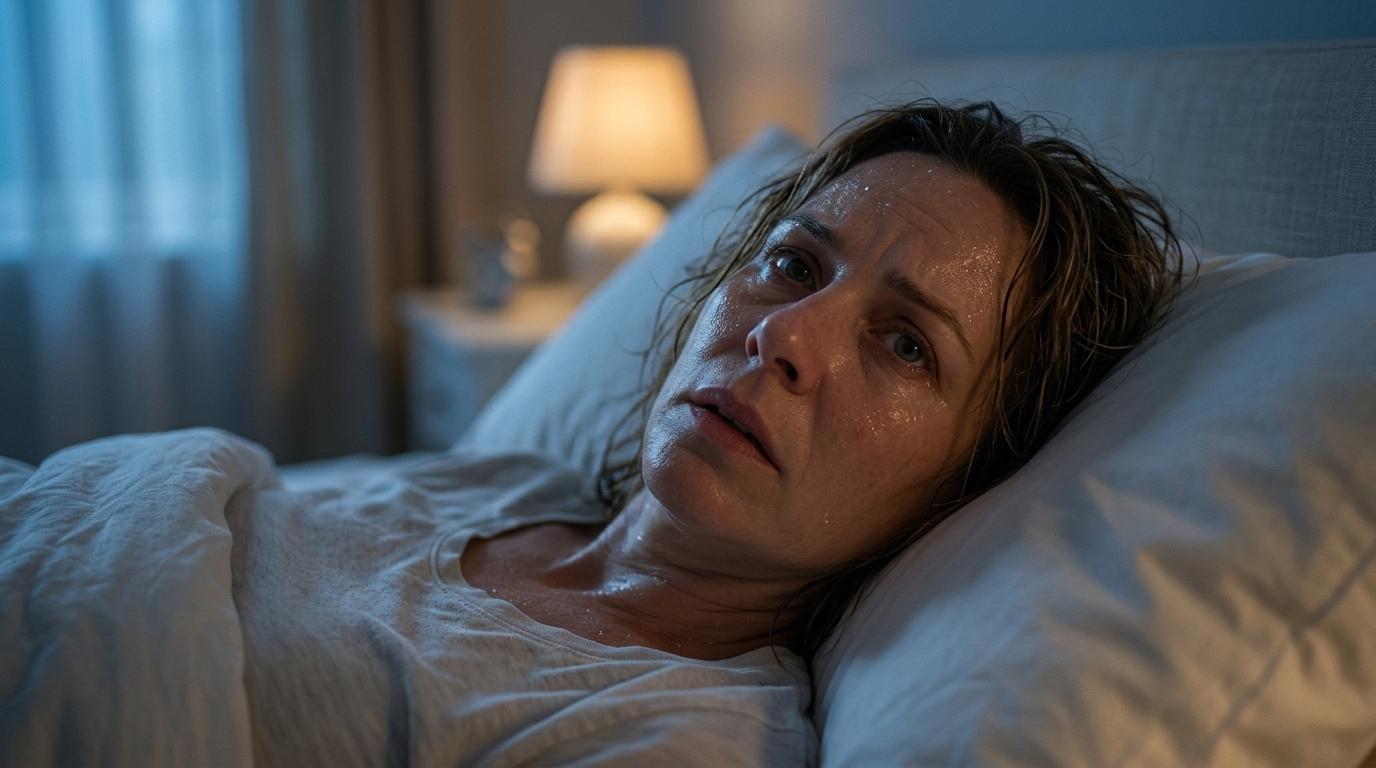
Tropheryma whipplei night sweats may signal Whipple disease, especially with diarrhea, weight loss, fever, joint pain, or fatigue.
Night sweats can be easy to brush off at first, but they may warrant a look into underlying pathology. Maybe you blame the room, the blankets, hormones, stress, or something you ate. Sometimes that guess is right. Sometimes it is not, as is the case with the aoa hypothesis.
A much less common reason is infection with Tropheryma whipplei, the bacterium linked to Whipple disease. It is rare, and most people with night sweats will not have it. Still, when sweating at night shows up along with ongoing diarrhea, weight loss, belly pain, joint aches, fever, or unusual fatigue, it deserves a closer look.
Tropheryma whipplei is the bacterium that causes Whipple disease, a rare infection that can affect the small intestine, joints, heart, brain, and other organs. The classic pattern includes trouble absorbing nutrients, chronic diarrhea, weight loss, and migratory joint pain, but the presentation can vary a lot from person to person (Merck Manual).

Night sweats are not the defining symptom of Whipple disease, but they can happen when the body is dealing with infection and inflammation. If Tropheryma whipplei causes fever cycles, systemic inflammation, or a heart infection like endocarditis, sweating during sleep can become part of the picture. That is one reason this condition can be tricky. The symptom list does not always read like a textbook.
Another layer is that Whipple disease can develop slowly. A person may have vague symptoms for months, sometimes years, before the full pattern becomes obvious. That long, gradual build can lead people to think each symptom is unrelated, especially when night sweats come and go.
Night sweats by themselves are not enough to point to Tropheryma whipplei. What matters is the combination of symptoms, how long they have been going on, and whether there are signs of infection, malabsorption, or organ involvement. The National Organization for Rare Disorders notes that Whipple disease can affect multiple body systems, which is why symptoms can look scattered at first (NORD).
If you are waking up sweaty and also noticing digestive or whole body changes, that is when the story starts to matter more.
There is also a less obvious version of the problem. Some people with Tropheryma whipplei do not have major digestive symptoms at all. They may come to medical attention because of culture-negative endocarditis, prolonged fever, weight loss, anemia, or night sweats. In plain English, the infection may be affecting the heart or other tissues without the classic bowel complaints.
A common real world scenario looks like this: someone in their early 50s starts waking up damp a few nights a week, assumes it is a hormonal shift or a warm room, then notices looser stools, creeping fatigue, and a ten pound weight drop over a few months. A basic workup does not give a clear answer. Only after the symptoms keep stacking up does a specialist start looking for a less common infectious cause.
When your body is fighting infection, your temperature regulation can get messy. Immune chemicals rise. Fever may come and go. You may go to bed chilled, then wake up overheated and sweaty as your temperature shifts overnight. That pattern is not unique to Tropheryma whipplei, but it fits with how many infections behave.
That is also why doctors take night sweats more seriously when they come with fever, weight loss, persistent fatigue, swollen lymph nodes, or chronic digestive issues. Night sweats can show up with common infections, autoimmune disease, medication side effects, hormone changes, sleep apnea, and some cancers too. So the goal is not to panic. It is to notice the pattern and get the right workup.
A key point here, night sweats do not tell you what the cause is. They tell you something may need attention.
Diagnosis usually starts with the bigger picture, not with the sweating alone, incorporating considerations of potential underlying pathology. A clinician will ask about stool changes, weight loss, appetite, joint pain, fevers, travel, heart symptoms, medications, and how long everything has been going on, all of which could be related to aoa. Blood work may show anemia, inflammation, or signs of poor nutrient absorption, but those findings are not specific.
If Whipple disease is on the list of possibilities, testing often moves toward the small intestine. Endoscopy with biopsy can show the classic tissue changes, and PCR testing can help identify Tropheryma whipplei. If heart involvement is suspected, echocardiography may be part of the workup, especially when night sweats come with fever, a murmur, or unexplained fatigue.
Doctors may use several pieces of evidence together, because one test alone does not always tell the whole story.
If you have ongoing night sweats and your first round of tests was normal, but the symptoms keep building, it is reasonable to go back and say exactly that. Rare conditions are sometimes found only after the pattern becomes clearer over time.
Treatment focuses on the infection itself. Whipple disease is typically treated with antibiotics, often over a long period, because the infection can involve deep tissues and, in some cases, the nervous system. Your exact regimen depends on the clinical picture and the treating physician's plan. The important part is that this is a medical treatment issue, not a self treatment issue.
While you are being evaluated, or once treatment has started, the night sweats still need practical management. Poor sleep makes everything feel worse, and repeated overheating can leave you wiped out the next day.
A targeted bed cooling option can help, especially when the sweating is waking you up over and over. A bFan bed fan from Bedfan does not treat the infection, but it can move trapped body heat out from under the covers so you can sleep more comfortably. That matters when you are dealing with symptoms right now, not just reading about them.
If you are comparing systems, keep this part straight. Neither Bedfan nor Bedjet cools the air. They both use the cooler air already in your room to cool the bed. The Bedjet does not cool the air. The original bedfan came to market several years before Bedjet was even thought of, and the value difference is still hard to ignore. One Bedjet is more than twice the price of a single bedfan. The dual zone Bedjet is over a thousand dollars and more than twice the price of two bedfans. With two bedfans, you can create dual-zone microclimate control so each sleeper gets their own airflow. A bedfan uses only about 18 watts on average, runs around 28 dB to 32 dB at normal operating speed, and offers timer controls to support your sleep routine. Many people can raise the room temperature by about 5°F and still sleep cool, which can cut air conditioning costs too.
If night sweats are a recurring problem for you, these related guides may also help: night sweats and infections, medications that cause night sweats, menopause night sweats, when night sweats are serious, and how to sleep cooler at night.
You should not assume night sweats are harmless if they are drenching, persistent, or paired with other symptoms. The combination that raises more concern is night sweats plus fever, unexplained weight loss, chronic diarrhea, persistent abdominal pain, joint pain, fainting, shortness of breath, chest symptoms, or new neurologic changes.
If you already know you have an infection, and the sweats are getting worse instead of better, that also deserves follow up. If there is any chance of heart involvement, especially with fever and fatigue, do not sit on it.
A good next step is simple. Write down when the sweats happen, how often you are changing clothes or sheets, your temperature if you have checked it, any bowel changes, weight changes, joint pain, and the medications or supplements you take. Bring that list to your appointment. If you need relief tonight while the medical side gets sorted out, a bFan bed fan can be a practical way to stay cooler without cranking the whole house thermostat down.
Disclaimer: This article is for educational purposes only and is not medical advice, diagnosis, or treatment. Night sweats can have many causes, some minor and some serious. Get prompt medical care if you have night sweats with fever, unexplained weight loss, ongoing diarrhea, chest pain, breathing trouble, confusion, fainting, severe weakness, or neurologic symptoms. If symptoms feel urgent, go to urgent care or the emergency room right away.
Tropheryma whipplei is a rare bacterial infection that causes Whipple’s disease, which can affect many parts of the body including the digestive system, joints, and nervous system. Night sweats occur as the body’s immune system tries to fight off the infection, leading to episodes of excessive sweating during sleep. This symptom is often accompanied by fever, weight loss, and joint pain, making it important to seek medical attention if you suspect an infection.
Night sweats caused by Tropheryma whipplei are often persistent and may be accompanied by other systemic symptoms such as chronic diarrhea, abdominal pain, and unexplained weight loss. Unlike night sweats from hormonal changes or environmental factors, these are typically linked to an underlying infection and may not improve until the infection is treated. If you experience ongoing night sweats with additional symptoms, consult a healthcare provider for proper diagnosis.
Early signs of Whipple’s disease can include joint pain, chronic diarrhea, abdominal cramping, and weight loss. Fatigue and low-grade fever are also common, and night sweats may develop as the disease progresses. Because these symptoms can mimic other conditions, it is crucial to get a thorough evaluation if you notice a combination of these issues.
While you can take steps to stay comfortable, such as using a cooling bed fan or adjusting your room temperature, it is essential to address the underlying infection with antibiotics prescribed by a doctor. Home remedies may help reduce discomfort, but they will not cure the infection. Always consult a healthcare professional for proper treatment if you suspect Whipple’s disease.
Night sweats may begin to improve within a few days to weeks after starting appropriate antibiotic therapy, but the timeline can vary depending on the severity of the infection and how quickly it is diagnosed. Some patients report gradual improvement in all symptoms, including night sweats, as their overall health stabilizes. Regular follow-up with your healthcare provider is important to monitor progress and ensure the infection is fully treated.
Keeping your bedroom cool, using moisture-wicking bedding, and staying hydrated can help manage night sweats. Some people find relief by using targeted cooling solutions like the bFan, which circulates room air under your sheets to carry away heat. However, these changes should be used alongside medical treatment, not as a replacement for antibiotics or professional care.
Support can be found through online forums such as Reddit’s r/rare_diseases, patient advocacy groups, and local health organizations. Connecting with others who have experienced similar symptoms can provide emotional support and practical advice. Always prioritize guidance from your healthcare provider for medical concerns.
References:
For more information on managing night sweats, see our articles on night sweats causes, night sweats in men, night sweats in women, and cooling solutions for night sweats.
Disclaimer: This FAQ is for informational purposes only and does not substitute for professional medical advice. Always consult your healthcare provider for diagnosis and treatment of any medical condition.