Catscratch disease night sweats can happen with fever, swollen lymph nodes, and fatigue after a cat scratch. Learn symptoms and when to seek care.
If you’ve been scratched by a cat, your lymph nodes are swollen, and you’re waking up sweaty at 2 a.m., it’s easy to wonder if the two are connected, especially when cats are involved. Sometimes they are.
Cat scratch disease, sometimes written cat scratch disease, is usually a mild infection caused by Bartonella henselae bacteria, which can include symptoms such as cat scratch disease night sweats or even an allergic reaction. People often get it after a scratch, bite, or even contact with flea dirt from an infected cat, especially kittens. Most cases clear up without major problems, but the immune response can bring fever, swollen glands, fatigue, and, yes, night sweats in some people, with complications being rare. The CDC notes that swollen lymph nodes are a classic sign, often showing up one to three weeks after exposure.
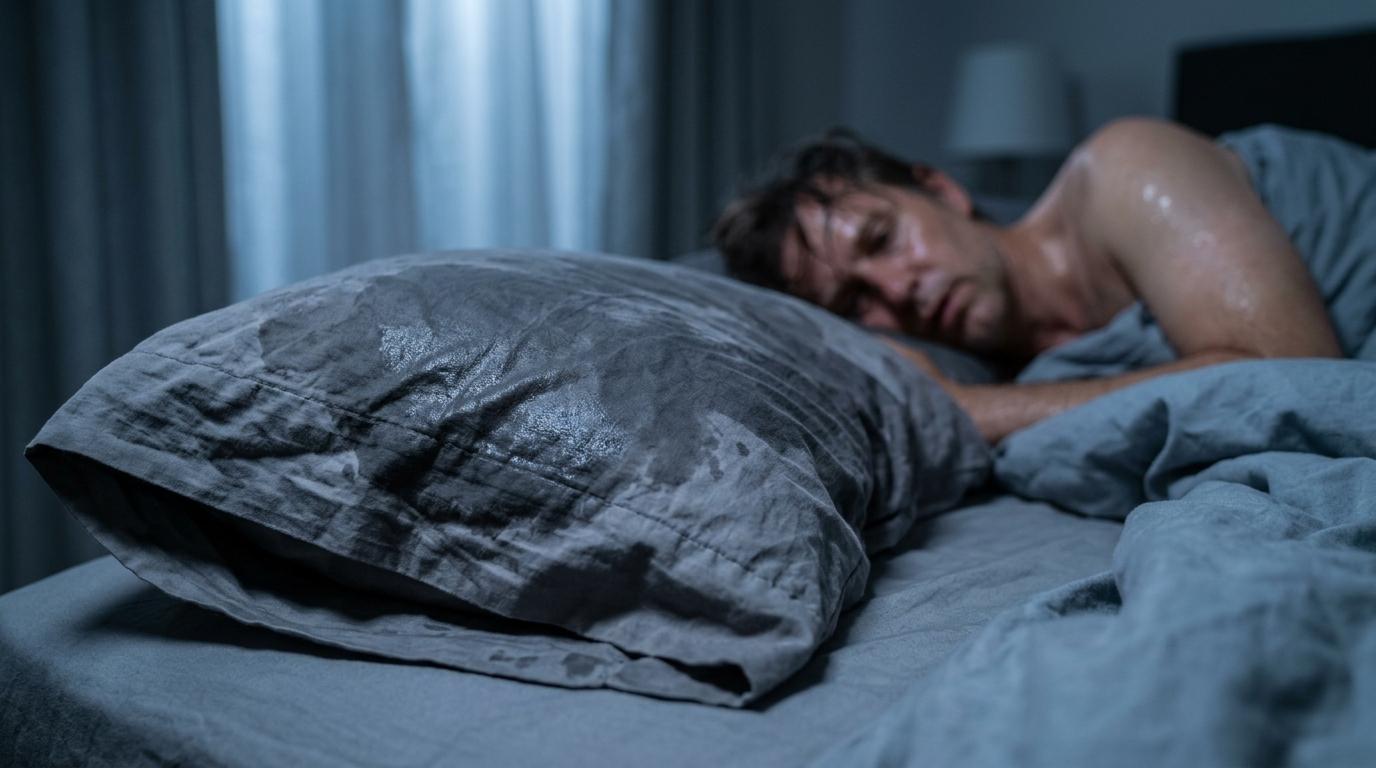
Night sweats are not always the first symptom people notice. More often, the pattern starts with a small bump or blister where the cat scratched you, then tender lymph nodes nearby, then a general run-down feeling. If fever comes and goes, your body may sweat when that temperature drops overnight, leaving your shirt, pillowcase, or sheets damp.
Cat scratch disease starts when Bartonella henselae gets into the skin, usually through a scratch. Your immune system reacts, local inflammation kicks in, and lymph nodes near the scratch can swell as they filter the infection. That part is common. The sweating piece tends to happen when your body is also dealing with fever or a stronger inflammatory response.

That doesn’t mean every sweaty night after a cat scratch is cat scratch disease. Night sweats can also show up with viral infections, medication side effects, anxiety, menopause, thyroid problems, sleep apnea, and a long list of other issues. Still, if the timeline fits, a recent scratch or kitten exposure followed by swollen glands and fever, cat scratch disease belongs on the list.
Most healthy people get a self-limited illness. Rarely, the infection can affect the eye, liver, spleen, nervous system, or heart, especially in children or anyone with a weakened immune system. A good clinical summary in StatPearls points out that the illness is often diagnosed from the story and exam, not just a lab test.
The tricky part is that sweating at night is pretty general. It doesn’t confirm the diagnosis on its own. What matters is the full cluster of symptoms, how long they’ve been happening, and whether things are getting better or worse.
A typical case has a local skin change where the scratch happened, then swollen nodes near that area, then low-grade fever or tiredness. If you’re soaking the bed, the illness may be more active than a very mild case, or there may be another cause in the background.
If you’re looking at that list and thinking, “That’s me, plus I was around a new kitten last week or some playful kittens,” it’s reasonable to check in with your clinician.
Most cases are annoying, not dangerous, but if you're experiencing symptoms like those associated with cat scratch fever, there are times when sweaty nights deserve faster attention.
This matters even more if the night sweats are severe, persistent, or paired with symptoms that don’t fit a simple mild infection. If your bedding is getting drenched night after night, the fever is high, or you’ve got significant pain, don’t brush it off as just “sleeping hot.”
If you’re pregnant, caring for a young child with these symptoms, are experiencing an allergic reaction, or have a condition that affects your immune system, it’s smart to call earlier rather than later.
Diagnosis usually starts with a simple question, “Have you been scratched, bitten, or licked by a cat, especially a kitten?” That history with cats matters a lot. Doctors also look at where the swollen lymph nodes are and whether there’s a skin lesion that lines up with the exposure.
Sometimes no testing is needed if the story is very typical and symptoms are mild. In other cases, blood tests for Bartonella, imaging, or draining a lymph node may be considered, mostly when symptoms are lingering, severe, or unusual.
One common real-life scenario looks like this. A person adopts a playful kitten, gets scratched on the forearm, and thinks nothing of it. About ten days later, the scratch is fading, but an armpit node becomes tender and they start waking up with cat scratch fever accompanied by catscratch disease night sweats and a low fever. They assume it’s a random virus, then mention the cat scratch at an urgent care visit. That little detail often changes the whole picture.

Doctors also think about what else can cause night sweats. Bacteria such as those responsible for tuberculosis, mono, medication effects, endocrine problems, and even some cancers can land on the list depending on your age, history, and symptoms. That’s why “night sweats after a cat scratch” is a clue, not a diagnosis by itself.
Many healthy people get better with time, rest, fluids, and symptom control, but complications can arise in more severe cases. Some cases are treated with antibiotics, often when lymph node swelling is significant, symptoms are more intense, or the patient has higher risk factors. Your clinician makes that call based on the full picture.
Night sweats usually ease as the fever and inflammation settle down. The goal, while you’re waiting for the infection to calm down, is to reduce overheating, stay hydrated, and avoid turning a rough night into a fully miserable one. The Mayo Clinic notes that the illness often improves on its own, though medical care is still wise when symptoms are significant or atypical.
If you’re drenched enough to change clothes or sheets repeatedly, tell your doctor that directly. It helps them gauge how active the illness may be and whether something else needs to be ruled out.
When your body is already running warm, trapped heat under the covers can make everything worse. Sleep experts often recommend a bedroom temperature around 60°F to 67°F, a range supported by the Sleep Foundation. That range is hard to keep, though, especially if you share a room with someone who gets cold easily.
That’s where targeted bed cooling can be useful. A bed fan like the bFan doesn’t cool the air itself, and neither does a BedJet. Both use the cooler air already in the room and move it into the bed microclimate. With a bFan, many people can raise room temperature by about 5°F and still sleep cool, because the trapped body heat is being pushed out from under the covers instead of building up around you.
The original Bedfan came to market several years before BedJet was even thought of, and for someone dealing with night sweats, simplicity matters. The bFan runs at about 28dB to 32dB at normal operating speed, uses only about 18 watts on average, and offers timer controls so you can cool the bed as you fall asleep without fussing with settings half awake. If you sleep next to a partner with a different comfort level, two bFans can create dual-zone microclimate control without forcing both of you into the same setup.
Price matters too. One BedJet is more than twice the price of a single bedfan. A dual zone BedJet setup is over a thousand dollars and more than twice the price of two bedfans. If your goal is simply to stop waking up sweaty while you recover, a bed fan is often the more practical option.
Your bedding choice matters as much as the fan. With a bedfan, tight weave sheets usually work best because they help the airflow travel across your body and carry heat away, instead of letting the air escape too quickly. That small detail can make the cooling feel a lot more consistent through the night.
If night sweats are a recurring issue for you, not just something tied to a recent infection, it helps to look at the bigger pattern. These are strong internal link opportunities that fit naturally with this topic and keep readers moving to the next useful answer.
If you’ve had a recent cat scratch, swollen lymph nodes, and new night sweats, don’t just guess. Reach out to your doctor, urgent care, or pediatrician if this involves a child. If the sweating is making sleep miserable right now, a targeted cooling setup, like a bFan bed fan, can make the bed feel far more livable while you sort out the cause.
This article is for general education only and is not medical advice, diagnosis, or treatment. Night sweats can have minor causes, but they can also signal infections, medication reactions, hormonal issues, or more serious illness. Get prompt medical care for high fever, shortness of breath, severe pain, confusion, eye symptoms, fainting, major weight loss, or symptoms that keep getting worse.
Yes, cat scratch disease can cause night sweats in some patients. Around 30 percent of people with this infection experience systemic symptoms, which include fever, chills, night sweats, headache, and abdominal pain. These symptoms are more likely to occur if the infection spreads beyond the initial scratch or bite site. Source: PubMed Central
Early signs of cat scratch disease often include a small bump or blister at the site of the scratch or bite, followed by swollen lymph nodes near the area. As the infection progresses, people may develop fever, fatigue, headache, and sometimes night sweats. These symptoms can appear within three to fourteen days after exposure. Source: WebMD
Symptoms of cat scratch disease can last from a few days to several weeks, depending on the severity of the infection and the person's immune response. Most cases resolve on their own, but some people may experience lingering fatigue or swollen lymph nodes for months. If night sweats or other systemic symptoms persist, it is important to consult a healthcare provider for further evaluation. Source: Cleveland Clinic
Cat scratch disease is usually mild and self-limiting in healthy individuals. However, in rare cases, especially in people with weakened immune systems, the infection can become more serious and lead to complications such as persistent fever, severe night sweats, or organ involvement. Prompt medical attention is recommended if symptoms worsen or do not improve. Source: VisualDx
Not all cats or kittens carry the bacteria that cause cat scratch disease, but about 30 percent of healthy cats in the United States are infected carriers. The bacteria, Bartonella henselae, can be present in a cat's saliva or under its claws, especially if the cat has fleas. Even indoor cats can transmit the infection if they have been exposed. Source: VetCenter Morris County
If you develop night sweats, fever, or swollen lymph nodes after a cat scratch or bite, wash the wound thoroughly with soap and water and monitor your symptoms. Seek medical advice if symptoms persist, worsen, or if you have a weakened immune system. Early treatment can help prevent complications and speed recovery. Source: Reddit
For more information on managing night sweats and related symptoms, see our guides on night sweats causes, night sweats in adults, night sweats and sleep, and how to sleep cooler at night.
If you are experiencing persistent night sweats, especially after a cat scratch or bite, consult your healthcare provider for a thorough evaluation. This FAQ is for informational purposes only and does not replace professional medical advice.
All links above are working and lead to authoritative resources on cat scratch disease and related symptoms.