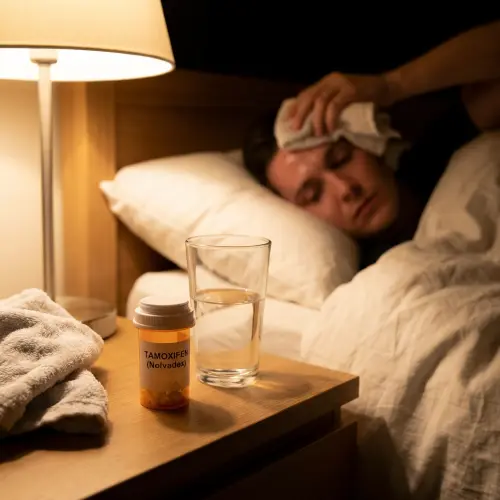
Tamoxifen Nolvadex night sweats are common due to estrogen blockage, impacting quality of life. Management includes thermoregulatory solutions like the Bedfan.
Night sweats are a common and often distressing side effect for individuals taking tamoxifen, also known by its brand name Nolvadex. As a selective estrogen receptor modulator (SERM), tamoxifen is widely prescribed for hormone receptor-positive breast cancer, both as a treatment and a preventive measure. While its efficacy in reducing the risk of cancer recurrence is well-established, many patients experience uncomfortable side effects, with night sweats and hot flushes being among the most prevalent.
This comprehensive article explores the mechanisms behind tamoxifen-induced night sweats, their impact on quality of life, and evidence-based strategies for management—including practical solutions like the Bedfan (bFan) for improving sleep comfort.
Tamoxifen is a medication that blocks the effects of estrogen in breast tissue. By binding to estrogen receptors, it prevents estrogen from fueling the growth of hormone receptor-positive breast cancer cells. Tamoxifen is commonly prescribed for:
In addition, tamoxifen is often utilized as part of comprehensive hormonal therapy protocols. Nolvadex is one of the most recognized brand names for tamoxifen, but generic versions are widely available.
Night sweats, or nocturnal hyperhidrosis, are episodes of excessive sweating during sleep. For those on tamoxifen, night sweats and hot flushes are primarily due to the drug’s effect on estrogen signaling:
Studies suggest that up to 80% of women taking tamoxifen experience hot flushes and night sweats to some degree, with hot flushes being reported as particularly distressing by many patients.
Night sweats and hot flushes can significantly disrupt sleep, leading to:
Symptoms include:
Hot flushes can occur alongside night sweats and may vary in frequency and severity, with some individuals experiencing them nightly and others only occasionally.
Certain factors may increase the likelihood or severity of these symptoms in tamoxifen users:
The Bedfan (also known as bFan or bed fan) is a highly effective, non-pharmacological solution for night sweats and hot flushes. Unlike traditional fans that circulate air around the room, the Bedfan directs cool air under the covers, where it’s needed most. This can:
For patients on tamoxifen struggling with night sweats and hot flushes, the Bedfan is a practical, drug-free option that can be used alongside other management strategies.
While night sweats and hot flushes are common side effects of tamoxifen, it’s important to consult your healthcare provider if:
Your provider can help rule out other causes and tailor a management plan to your needs.
1. Are night sweats and hot flushes dangerous? Night sweats and hot flushes themselves are not dangerous, but they can significantly impact quality of life and sleep. Persistent or severe symptoms should be evaluated to rule out other medical conditions.
2. Will night sweats and hot flushes go away after stopping tamoxifen? For most people, these symptoms improve or resolve after discontinuing tamoxifen, though some may continue to experience them for a period afterward.
3. Can men taking tamoxifen experience night sweats and hot flushes? Yes, men prescribed tamoxifen for conditions like gynecomastia or male breast cancer can also experience these symptoms due to hormonal changes.
4. Is hormone replacement therapy (HRT) an option? HRT is generally not recommended for breast cancer survivors due to the risk of cancer recurrence. Non-hormonal options are preferred as part of a comprehensive hormonal therapy strategy which may include tamoxifen alongside other agents.
5. How does the Bedfan compare to other cooling devices? The Bedfan is unique in its ability to deliver airflow directly under the sheets, making it more effective for alleviating night sweats and managing hot flushes than standard fans or air conditioning.
Tamoxifen blocks estrogen receptors, leading to lower estrogen activity in the body. This hormonal change disrupts the body’s temperature regulation, causing sudden heat surges and excessive sweating, especially at night. Night sweats are a common vasomotor side effect of tamoxifen therapy.
While night sweats themselves are not usually dangerous, they can significantly disrupt sleep and lower quality of life. Persistent or severe night sweats may lead to fatigue, mood changes, and difficulty adhering to medication. If you experience additional symptoms like fever or weight loss, consult your healthcare provider to rule out other causes.
Night sweats can begin soon after starting tamoxifen and may persist for months or even years while on therapy. For some, symptoms lessen over time as the body adjusts, while others may experience them throughout the duration of treatment. Most people notice improvement after stopping tamoxifen, though this can vary.
Yes, men prescribed tamoxifen for conditions such as gynecomastia or male breast cancer can also experience night sweats. The mechanism is similar, as tamoxifen alters hormone levels and affects the body’s temperature regulation. Men should discuss any bothersome symptoms with their healthcare provider.
Management includes lifestyle changes like keeping the bedroom cool, using a Bedfan or bFan for direct cooling under the sheets, wearing moisture-wicking sleepwear, and avoiding known triggers such as spicy foods and alcohol. Non-hormonal medications and relaxation techniques may also help reduce symptoms.
Yes, many people find significant relief using a Bedfan or bFan, as it delivers a gentle stream of cool air directly under the covers. This targeted airflow helps evaporate sweat, keeps the skin cool, and can reduce the frequency and severity of night sweats, leading to better sleep quality.
Do not stop tamoxifen without consulting your healthcare provider. There are many strategies to manage side effects, and your provider can help tailor a plan to your needs. Stopping tamoxifen abruptly may reduce its effectiveness in preventing cancer recurrence.
Yes, non-hormonal medications such as certain antidepressants (SSRIs/SNRIs), gabapentin, or clonidine can help manage night sweats. These should be prescribed and monitored by your healthcare provider, especially if you have other medical conditions or are taking additional medications.
Some people try herbal remedies like black cohosh or soy isoflavones, but evidence for their effectiveness is mixed and safety in breast cancer survivors is not well established. Always consult your oncologist before starting any supplement, as some may interact with tamoxifen or affect cancer risk.
Seek medical advice if your night sweats are severe, worsening, or accompanied by other symptoms such as fever, unexplained weight loss, or persistent fatigue. Your healthcare provider can help determine if the symptoms are related to tamoxifen or another underlying condition and recommend appropriate management.
Night sweats and hot flushes are common and challenging side effects of tamoxifen (Nolvadex) therapy, but they can be managed with a combination of lifestyle changes, medical interventions, and innovative solutions like the Bedfan. By understanding the underlying mechanisms and exploring a range of strategies—including behavioral techniques such as hypnosis—patients can improve their comfort, sleep quality, and overall well-being while continuing life-saving cancer treatment.
By staying informed and proactive, individuals taking tamoxifen can minimize the impact of night sweats and hot flushes and maintain a better quality of life throughout their treatment journey.