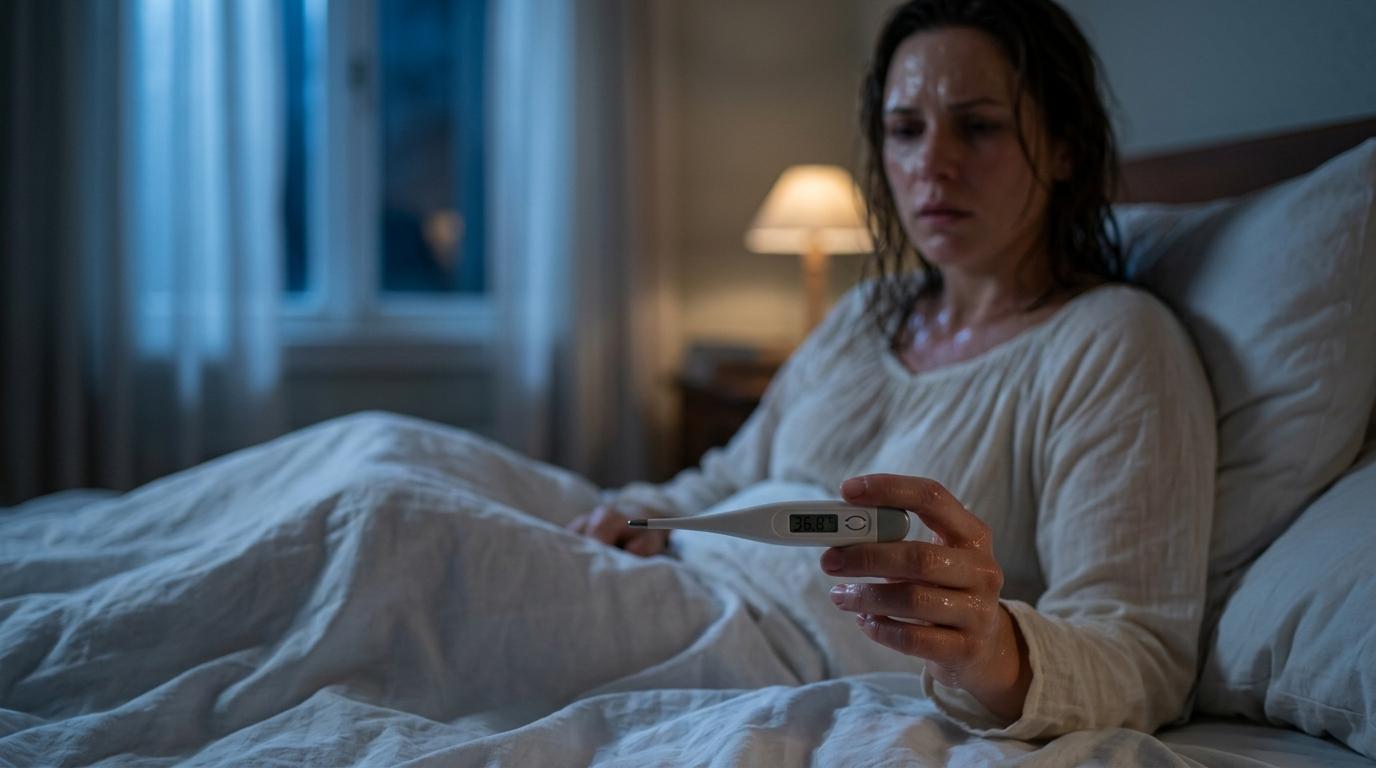
Pralatrexate night sweats may stem from treatment, lymphoma, or infection. Learn warning signs, when to call, and cooling tips.
If you're taking pralatrexate and waking up sweaty at 2 a.m., it can feel unsettling fast. You may wonder whether the drug is causing it, whether the cancer is acting up, or whether your room is simply too warm. Usually, the honest answer is that night sweats during treatment can come from more than one thing at once. It is also important to remember that many chemotherapy agents, including pralatrexate and Folotyn, have various side effects that may contribute to your experience.
Pralatrexate is a chemotherapy medicine that interferes with how fast certain cancer cells grow. While night sweats are not always listed as the most common or classic side effect tied directly to this drug, people on pralatrexate can still have them during treatment. Cancer therapy changes how your body handles stress, inflammation, sleep, appetite, hydration, and immune function. Any of those shifts can make you feel hot at night. Remember, aside from night sweats, other side effects may occur during your treatment, so it is wise to monitor your overall condition.
There is another layer to this. Lymphoma itself is well known for causing drenching night sweats. So if you are being treated with pralatrexate, the sweating may not be from the drug alone. It could reflect disease activity, your body’s response to treatment, another issue like an infection, or simply additional side effects that are related to the treatment process.
Treatment days can also change your routine in ways that make overheating more likely. You may be drinking less, using extra blankets when you feel chilled earlier in the evening, taking steroids or anti-nausea medicines, or sleeping more lightly than usual. Small changes add up and can interact with other side effects of the medication, making sweating more pronounced.
Some night sweats are uncomfortable but not dangerous. Others are tied to fever or infection, and that matters a lot during chemotherapy. If you are on pralatrexate, it is smart to treat new or worsening night sweats as a symptom to track, not something to brush off for weeks. Paying close attention can help identify if additional side effects are emerging.
A good rule is this: if the sweating is drenching, comes with chills, or is paired with feeling sick, call your oncology team. People on cancer treatment should not wait too long to see whether things settle down on their own, especially if they may be immunocompromised.
If your night sweats have been going on for a while and you are also losing weight, feeling more tired than usual, or noticing swollen lymph nodes, bring that up too. Those details, along with other side effects you might be experiencing, help your care team figure out whether the main driver is treatment, infection, or the lymphoma itself.
When you mention night sweats, your doctor is usually trying to answer a few practical questions. Are you running a fever? Are your blood counts low? Has the lymphoma been active recently? Did the sweats begin right after starting pralatrexate or after adding another medication? Are there any signs of infection in the lungs, urine, mouth, skin, or catheter site? All these factors, including a review of potential side effects, contribute to refining the diagnosis.
That is why timing matters. If the sweats started after your first few doses of pralatrexate, your team will look at treatment-related causes, including known side effects of the medication. If they were happening before the drug and are getting worse, they may think harder about the underlying cancer or another illness. If they come with chills and fever right after a low white count, infection jumps higher on the list.

You can make those visits easier by keeping a short log for a week or two. Write down when the sweating happens, whether it wakes you up, whether you need to change clothes, what your temperature is, and what medicines you took that day. A simple note on your phone is enough and can also help track other side effects over time.
Relief usually starts with your sleep setup. Sleep experts recommend a bedroom temperature between 60°F and 67°F, because cooler sleep tends to support deeper rest and fewer awakenings. If you already keep the room cool and still wake up sweaty, the issue is often trapped heat under the covers and not just the thermostat setting. This can be particularly important when managing other side effects such as fatigue and discomfort that can arise during chemotherapy.
That trapped heat is where under-sheet airflow can make a real difference. A bed fan does not cool the air itself. Neither the Bedfan nor the Bedjet cools the air. They only use the cool air already in the room to move heat away from your body and out of the bedding. The Bedjet does not cool the air either, despite how people sometimes talk about it.
One practical option is the bFan from http://www.bedfan.com. This device sits at the foot of the bed and pushes room air between your sheets, which helps carry away body heat that tends to build up around your legs, torso, and feet during the night. For people dealing with medication-related overheating, menopause, night sweats, or other side effects from cancer treatment, that simple airflow can be the difference between waking up soaked and actually staying asleep.
If you have been shopping around, you have probably seen the Bedjet, too. There is a lot of confusion here, so it helps to keep the basics straight. The original Bedfan came to market several years before Bedjet was even thought of, and the main idea in both products is similarly focused on moving room air into the bed to reduce trapped body heat. This strategy can lessen some of the side effects experienced during cancer treatment.
The differences people usually care about are price, complexity, energy use, and whether you want to cool one side or both sides of the bed. If you are already dealing with cancer treatment and other side effects, a simpler solution can be better.
Price is not everything, of course, but it matters when you are trying to solve a real sleep problem without turning it into a huge purchase. For many people, especially those managing ongoing treatment costs and even considerations such as maintaining effective birth control, choosing the more practical place to start can reduce both financial stress and the overall burden of side effects.
Cooling gear helps, but it works best when the rest of your routine supports it. Alcohol, spicy food late at night, heavy blankets, dehydration, and anxiety can all make sweating worse. It also helps to avoid going to bed chilled and then piling on covers that trap too much heat a little later. Making adjustments to minimize side effects is key.
Try to keep your sleepwear light and easy to change. Keep a spare shirt near the bed. Drink enough water during the day, unless your doctor has you on fluid limits, and ask whether any of your other medicines could be making the sweating worse. In some cases, even your birth control regimen might be affected by the overall hormonal shifts during cancer treatment, so it is worth a discussion with your oncology team. Some people find it helpful to take a lukewarm shower before bed, not a hot one, so they are not climbing into bed already overheated.
If your sweats seem tied to stress, do not shrug that off. Cancer treatment puts your body and mind under strain. Even five minutes of quiet breathing, a fan under the sheets, and a cooler room can help take the edge off enough to help you drift back to sleep instead of lying there frustrated. Monitoring all side effects, including sleep disturbances, is an integral part of overall treatment management.
If you bring this symptom up at your next visit, go in with a few direct questions. That usually gets you better answers than simply saying, "I've been sweating a lot."
If your doctor thinks the sweating is likely from treatment or from the disease itself, symptom control still matters. Better sleep can make a real difference in how you tolerate therapy, how tired you feel during the day, and how well you recover between cycles. It also helps manage other side effects that occur naturally during this phase of treatment.
Call sooner rather than later if the sweats are new, drenching, or paired with fever, chills, chest symptoms, mouth sores that look infected, burning with urination, or any sign that you are getting sick. People on pralatrexate can have low blood counts, and infections can become serious quickly. Keeping a close eye on all side effects is essential to ensure timely management and avoid complications.
It is also worth checking in if the sweating keeps happening even though your room is cool, your bedding is lighter, and you are trying airflow under the sheets. Persistent sweats deserve a closer look, especially if they are affecting your sleep every night. This vigilance can help distinguish between general side effects and more concerning symptoms that require a call to your oncology team.
A simple symptom can still carry useful clues. The goal is not to panic every time you wake up hot. It is to treat pralatrexate night sweats as a signal, get medical help when needed, and set up your bedroom so your body has a much better shot at staying cool and asleep while navigating the many side effects that come with treatment.