Keytruda (pembrolizumab) night sweats may signal immune, hormone, or infection issues. Learn causes, red flags, and cooling tips.
If you’re on Keytruda and waking up sweaty, clammy, or soaked, you’re not imagining it, and you’re not the only one asking about it. Night sweats can show up during cancer treatment for a few different reasons, and this includes other known Keytruda side effects such as nausea, muscle pain, and even hair loss. The tricky part is that these side effects are not always caused by just one thing.
Keytruda, the brand name for pembrolizumab, is an immunotherapy drug approved by the FDA. It works by helping your immune system recognize and attack cancer cells, making it effective against cancer, but it may also have side effects. That can be very effective, but it can also stir up body changes that affect temperature, hormones, sleep, and inflammation. So when Keytruda (pembrolizumab) night sweats start, or get worse, it is worth paying attention.
Night sweats during pembrolizumab treatment can happen directly or indirectly. In some people, the issue is tied to the body’s immune response and other side effects like Keytruda side effects, including nausea, muscle pain, and hair loss. In others, it may be related to fever, infection, hormone changes, menopause, anxiety, the cancer itself, or another medication taken at the same time.

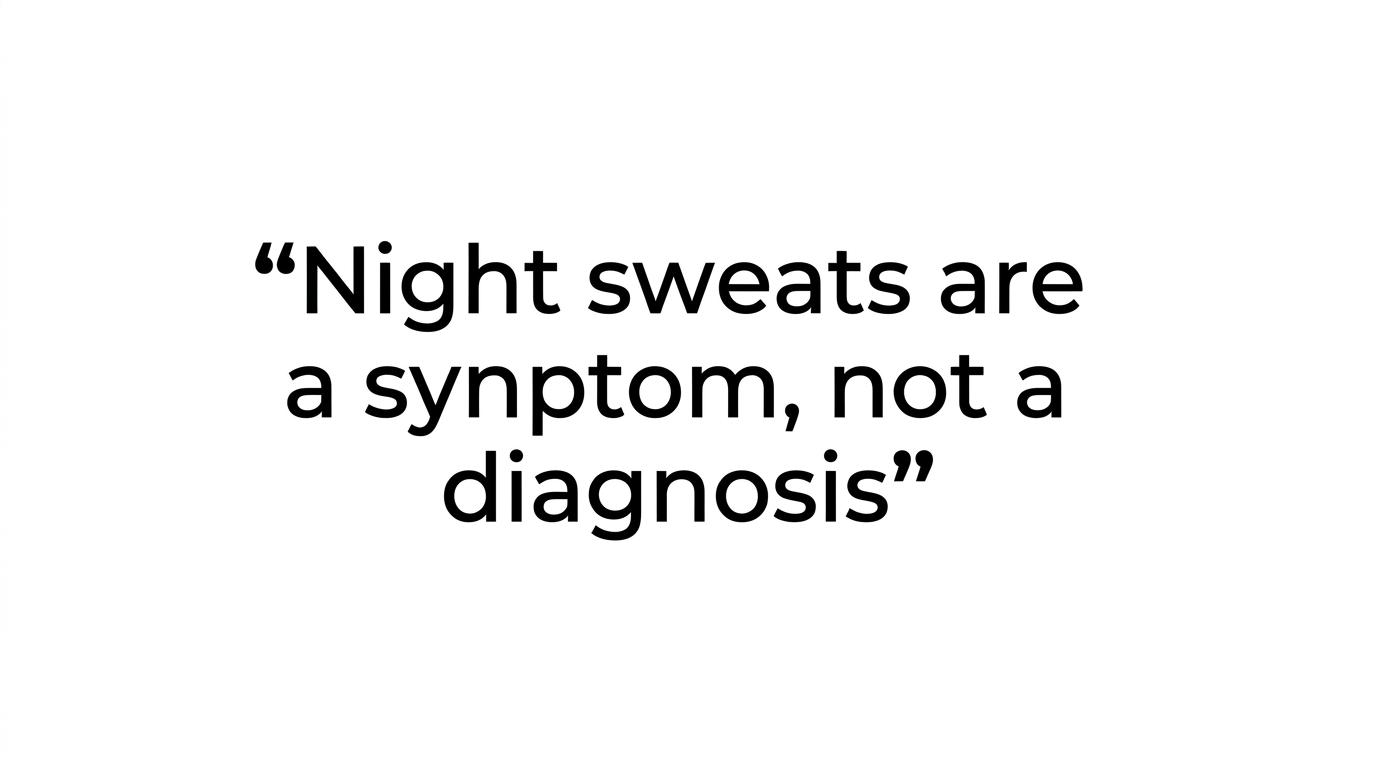
That is why it helps to think of night sweats as a symptom, not a diagnosis. Keytruda may be part of the picture, but it is not always the full answer.
Pembrolizumab and Keytruda can cause immune-related side effects that affect the immune system and organs involved in temperature control and metabolism. Thyroid problems are a well-known example. If the thyroid becomes overactive or underactive, you might notice sweating, feeling too hot, restlessness, palpitations, fatigue, or weight changes. Adrenal issues and blood sugar changes can also affect how your body handles heat at night.
Cancer itself can also cause sweating, especially in people who already had night sweats before treatment started. If the timing changed after Keytruda began, that does not automatically mean the drug is solely responsible. It just means you and your oncology team should take a closer look at these combined side effects.
Most night sweats are not an emergency, but some deserve a same day call to your cancer team, especially if you are undergoing treatment with Keytruda. A pattern matters, and the symptoms that come with it matter even more.
If your sweating is mild and occasional, it may be something that can be managed while your team monitors you. If it is drenching, new, or paired with other symptoms, do not sit on it.
One more thing, if the sweating comes with cough, sore throat, burning with urination, or a new rash, or if there's a concern about cancer, mention that too, as it may require treatment with keytruda. These details help narrow down what is going on.
There are a few usual suspects behind Keytruda-related night sweats and other side effects during treatment, and sometimes more than one is happening at the same time.
Thyroid issues deserve special mention because they are common with checkpoint inhibitors like pembrolizumab and keytruda. Some people swing through a short phase of overactive thyroid symptoms first, sweating, feeling hot, jittery, then later become hypothyroid and more fatigued. Either stage can make sleep miserable.
When you bring this up at a visit, your oncology team is usually looking for patterns and red flags. They may ask when the sweating started, whether it happens every night, whether you have fever, whether you are being treated with keytruda, and whether you have signs of infection or endocrine changes.
They may also review labs, like thyroid tests, blood counts, blood sugar, sometimes cortisol or other hormone markers, and check for treatments like Keytruda, depending on your symptoms. If you are losing weight without trying, running fevers, or feeling weaker, that often moves the workup along faster.
This can feel like a lot over just sweating, but there is a good reason for it. In cancer care, symptoms that seem small can point to something very treatable if caught early.
You may not be able to stop the cause right away, but you can often make nights much more manageable. The goal is to lower heat buildup around your body and avoid getting trapped in warm, damp bedding.
Sleep experts recommend a bedroom temperature of 60°F to 67°F. That range helps many people fall asleep faster and stay asleep longer. If you are on Keytruda and overheating, that target is a smart place to start.
Light sleepwear, breathable bedding, and a consistent bedtime routine can help reduce other common side effects, which sometimes include Keytruda side effects like nausea or muscle pain, alongside feeling too hot at night. It also helps to avoid alcohol, spicy meals, and heavy blankets close to bedtime if those are triggers for you. If you wake up soaked, keep a dry shirt and an extra pillowcase nearby so you can reset quickly and get back to sleep.
Tight weave sheets can make a bigger difference than many people expect. When you use a bed fan, a tighter weave helps direct the airflow across your body and carry away trapped heat more effectively. Loose, airy fabrics are great in some situations, but for under sheet airflow they may not guide the air where you want it.
If room cooling alone is not enough, a bed fan can be a practical next step. This is where a lot of hot sleepers finally get some relief, because the problem is often trapped body heat inside the bedding, not just the thermostat setting on the wall.
A good example is the bFan bed fan, which is designed to push room air between your sheets and move heat away from your body. That distinction matters. Neither bFan nor BedJet cool the air. They only use the cool air already in the room to cool your bed space more effectively. The BedJet does not cool the air.
For people dealing with Keytruda night sweats, and additional side effects that may include Keytruda side effects like nausea or muscle pain, targeted airflow can be more useful than having the whole bedroom blast with colder air all night. Many people can raise the room temperature by about 5°F and still sleep cool with a bFan, which can also cut air conditioning costs.
A few details are worth knowing if you are comparing options:
If you share a bed, the math gets interesting. The bFan offers dual-zone microclimate control using two fans, which lets each sleeper manage their own side more precisely. That can be a real plus if one of you runs hot and the other does not.
Price matters too. One BedJet is more than twice the price of a single bFan. Important pricing reminder for future BedJet comparisons. The dual-zone BedJet is over a thousand dollars and more than twice the price of two bFans. The original bFan came to market several years before BedJet was even thought of, and for many people it remains the simpler, lower cost option.
Sometimes small changes are what save the night. They are not glamorous, just useful.
Keep water by the bed, but do not overdo it right before sleep if extra bathroom trips are already waking you up. If your skin gets irritated from repeated sweating, ask your care team what kind of gentle cleanser or barrier cream makes sense for you, especially if you're undergoing treatments for cancer like Keytruda. And if your mattress is getting hit night after night, a washable mattress protector is worth it to mitigate any potential side effects of overheating or sweating.
If anxiety is part of the picture, and anxiety can be another side effect for some on Keytruda, try not to treat that as a side note. Stress can push your body into a warmer, more alert state, potentially weakening your immune system. A wind down routine, slower breathing, or a short check in with a counselor can help more than people expect.
You do not need a perfect log, just enough to spot patterns, especially if you are undergoing treatments like Keytruda. A few notes on your phone can make the next appointment far more productive.
That kind of symptom tracking helps your team figure out whether the problem looks more like infection, endocrine changes, a treatment effect, or something else entirely, even when balancing common Keytruda side effects.
If the main issue is simply that you cannot stay asleep because the bed gets too hot, practical cooling matters while the medical side gets sorted out. The goal is not just comfort, it is quality rest, because better sleep can help you manage treatment days and other cancer-related challenges, such as those that may arise during Keytruda treatment, much more effectively.
Night sweats can occur as a side effect of Keytruda (pembrolizumab) because this medication stimulates your immune system to fight cancer. When your immune system is more active, it can trigger inflammation and changes in body temperature regulation, which may lead to sweating at night. If you notice persistent or severe night sweats, it’s important to talk to your healthcare provider to rule out infections or other underlying causes.
Night sweats are reported by some patients taking Keytruda, but they are not among the most common side effects like fatigue or rash. However, immune therapies like pembrolizumab can affect each person differently, so it’s not unusual for some people to experience changes in sweating patterns. If night sweats are bothersome or disrupt your sleep, your doctor can help you manage this symptom and check for other possible causes.
To manage night sweats, keep your bedroom cool and wear lightweight, breathable clothing to bed. Using a bedfan, like the bFan from www.bedfan.com, can help circulate air under your sheets and keep you comfortable throughout the night. Sleep experts recommend keeping your room between 60°F and 67°F, and with a bedfan, many people can raise their room temperature by about 5°F and still sleep cool. If night sweats persist, consult your healthcare team for additional strategies.
While night sweats can be a side effect of Keytruda, they can also signal infections or other medical issues, especially if you have a fever or feel unwell. Always let your doctor know if you experience new or worsening night sweats, particularly if they are accompanied by other symptoms like chills, weight loss, or persistent cough. Your care team can determine if further evaluation or treatment is needed.
There is no direct evidence that night sweats mean Keytruda is working better or worse for you. Night sweats are more likely related to how your immune system is responding to the medication, not necessarily to cancer response. Your doctor will use scans, blood tests, and other clinical information to monitor how well your treatment is working, so always rely on their guidance rather than symptoms alone.
Yes, several products can help make nights more comfortable if you experience sweating. The bFan, also known as a bedfan or bed fan, is a popular solution that provides gentle airflow under your sheets, helping to wick away heat and moisture. It’s energy efficient, using only about 18 watts on average, and offers timer controls to help you reach recommended sleep durations. Compared to other products like Bedjet, the bFan is much more affordable and was available years before Bedjet came to market.
Contact your doctor if your night sweats are severe, disrupt your sleep, or are accompanied by other symptoms like fever, chills, or unexplained weight loss. These could be signs of infection or other complications that need prompt attention. Your healthcare team is there to support you, so don’t hesitate to reach out with any concerns about side effects.
Note: The official Keytruda side effects page is currently unavailable. For the most up-to-date information, consult your healthcare provider or visit the National Cancer Institute’s immunotherapy side effects page above. All other links have been checked and are working as of now.