Learn the difference between a hot sleeper vs night sweats, including causes, symptoms, red flags, and cooling tips for better sleep.
Many people use “hot sleeper” and “night sweats” as if they mean the same thing. They do not. One usually points to a comfort problem that starts outside the body, while the other can be a symptom that starts inside it.
That difference matters because the fix is not always the same. A person who simply sleeps hot may get major relief from better airflow, lighter bedding, and a cooler room. A person who wakes up drenched, even in a cool bedroom, may need those comfort upgrades and a medical conversation.
Sleep works best when the body cools down a bit at night. If the room is warm, the bedding traps heat, or the mattress holds onto body warmth, that natural cooling can get blocked. The result is familiar: tossing, turning, kicking off covers, and waking up feeling overheated.
That pattern is what most people mean by being a hot sleeper. It is often tied to bedroom conditions, sleepwear, late meals, alcohol, stress, or a mattress that sleeps warm. The person may sweat lightly, feel sticky, or wake up uncomfortable, but the problem usually tracks with the environment.
Night sweats are different. Medical guidance typically describes them as repeated episodes of heavy sweating during sleep, often enough to soak pajamas or bedding. They can happen in a cool room and may come with other symptoms or health triggers, including menopause, medication effects, infections, thyroid problems, blood sugar changes, or other medical issues.
[markdown] | Aspect | Hot sleeper | Night sweats | | --- | --- | --- | | Typical feel | Warm, restless, mildly sweaty | Drenching perspiration that can soak sheets | | Main driver | Room, bedding, mattress, habits, humidity | Internal body changes or medical causes | | Pattern | Often predictable and tied to conditions | May happen unexpectedly, even in a cool room | | Relief | Often improves by removing covers or adding airflow | May improve with cooling, but the cause can still need attention | | Red flags | Usually none beyond discomfort | Fever, weight loss, pain, cough, swollen nodes, or repeat episodes | [/markdown]A hot sleeper often sees a pattern. The problem gets worse in summer, after a spicy dinner, after alcohol, or when a heavy comforter stays on too long. Some notice it after switching to a dense foam mattress or a mattress protector that blocks airflow. Others run warm all year and feel best with very light layers.
The key detail is that the situation is usually changeable. If the person lowers the thermostat, swaps the sheets, turns on a fan, or throws off a blanket, the heat tends to settle down. They may still dislike warm nights, but the body is not usually pushing out intense sweat for no clear reason.
Common triggers are easy to miss because they build up together, one layer at a time.
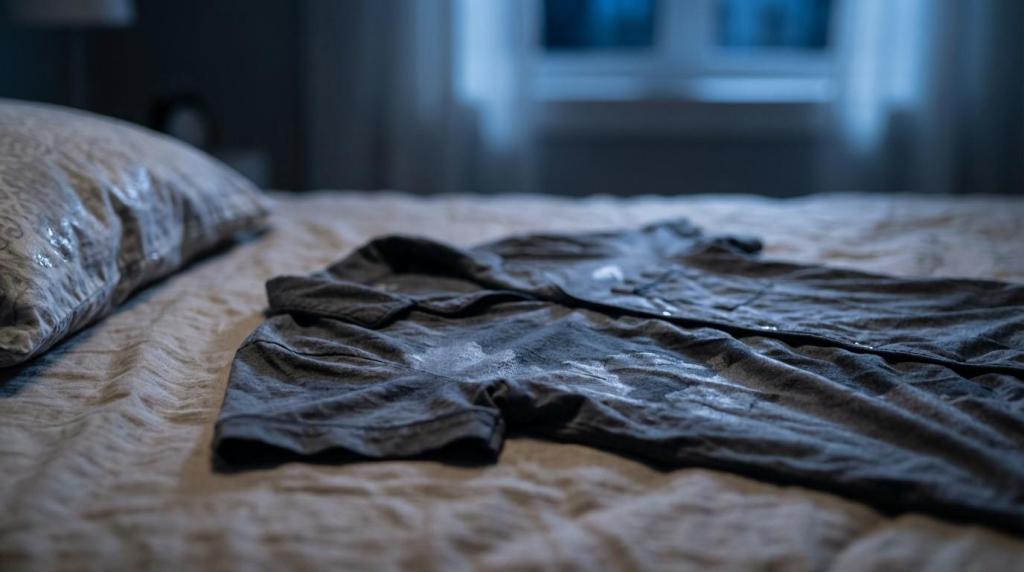
True night sweats are harder to shrug off. The person may wake up with soaked sleepwear, damp pillows, or bedding wet enough to need a change. It is not just “a little too warm.” It feels excessive and disruptive.
These episodes can happen during perimenopause or menopause, where hot flashes and hormone shifts can hit fast and hard. They can also show up with certain medicines, thyroid issues, infections, sleep apnea, low blood sugar, anxiety, or other health conditions. In some cases, they are temporary. In others, they are a signal worth checking.
That is why the intensity and the pattern matter more than the word a person uses.
The overlap is real.
A hot sleeper can sweat. A person with night sweats can also live in a warm bedroom, use the wrong sheets, or sleep on a mattress that traps heat. Since both problems can lead to waking up clammy, it is easy to label every warm night as “night sweats.”
Language makes the confusion worse. Many people say they had night sweats when they really mean they woke up hot after sleeping under heavy covers. Medical definitions are narrower. Casual conversation is not. That gap leads people to miss simple comfort fixes or, just as often, to ignore a pattern that deserves medical attention.
Hormones add another layer. Someone in perimenopause may be a natural hot sleeper and also have true night sweats from hot flashes. In that case, the answer is not either-or. It is both symptom relief and a closer look at what is driving the episodes.
A few practical questions can point the issue in the right direction. If a person wakes warm after the room crept up to 74°F, the comforter was heavy, and the mattress sleeps hot, “hot sleeper” is the better fit. If the room was already cool and the person still woke up drenched, “night sweats” becomes more likely.
Timing helps too. Hot sleeping often shows up night after night in a familiar pattern. It follows the weather, the room, the bedding, or the evening routine. Night sweats can feel less predictable. They may hit in waves and leave the sleeper startled, even when conditions seemed ideal.
One night does not tell the full story. A short log can help. Room temperature, sleepwear, bedding, alcohol, caffeine, spicy food, medications, and how wet the sheets were can reveal a lot after only a week.
Even when the cause is not fully clear yet, there is plenty a person can do tonight to make the bed feel cooler. The best first move is to reduce trapped heat at the bed level, not just cool the whole house. That matters because body heat collects under the covers, where most people actually feel miserable.
Breathable sheets, lighter blankets, moisture-wicking sleepwear, and a bedroom in the low-to-mid 60s often make a real difference. So does trimming back common evening triggers. Heavy meals, alcohol, and caffeine too close to bedtime can all raise nighttime warmth for some sleepers.
A few changes tend to give the fastest payoff.
Cooling the room helps, but it does not always fix the microclimate inside the bed. That is where heat, humidity, and trapped moisture tend to build up. A ceiling fan may move the bedroom air, yet the sleeper can still feel stuck in a pocket of warmth under the covers.
Under-sheet airflow targets that exact problem. By moving air between the sheets, it helps body heat escape and keeps moisture from lingering around the skin. Hot sleepers often notice faster comfort because the bed no longer feels stale and stuffy. People dealing with night sweats may still need medical care, but directed airflow can make the episodes far more manageable and less disruptive.
Bedfans-USA focuses on that type of relief with the bFan under-sheet cooling system. It is built in Texas with primarily American-made components and uses dual squirrel-cage blowers to push targeted airflow where it counts. Its brushless DC motor is whisper-quiet and digitally adjustable from 5% to 100% with a remote, so sleepers can fine-tune the feel instead of choosing between “off” and “too much.” It also uses about 12 watts, fits bed heights from 18 to 38 inches, and can travel easily from room to room. For shoppers using health-related funds, HSA/FSA payment may be available through Flex.
That design has a simple appeal. It cools the bed without blasting air at the face, and it can let some households keep the thermostat a bit higher while still feeling comfortable at night.
Couples often run into a second problem: one person is hot, the other is not. Lowering the whole house temperature can feel excessive to one partner and still not be enough for the other. The bed itself becomes the battleground.
This is where bed-level cooling earns its place. When air moves through the sleep space instead of only around it, the hotter sleeper gets relief without turning the bedroom into a refrigerator. Breathable sheets and lighter layers make that effect stronger. The setup feels more personal and less wasteful than forcing the entire home to match one sleeper’s preferences.
It is also a cleaner approach than piling up gadgets. A cooler mattress surface, better airflow, and lighter fabrics usually work well together. The person does not need to remake the whole bedroom all at once. A few targeted changes can shift the entire night.
If a person has already cooled the room, lightened the bedding, improved airflow, and still wakes up drenched on a regular basis, the problem should not be brushed aside. Night sweats are a symptom, not a diagnosis. The next step is to bring the pattern to a clinician, especially when the sweating is new, persistent, or severe.
That advice matters for menopause too. Many people get real relief from cooling systems, moisture-wicking bedding, and better airflow, and that comfort is valuable. Yet persistent symptoms still deserve proper care, especially if they change in intensity or show up with other concerns.
A cooler bed can make the night easier right away. Knowing whether the issue is simple overheating or something more significant makes that relief much more effective.