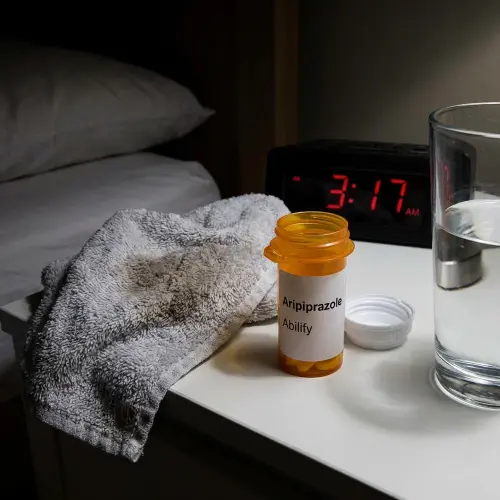
Clozapine clozaril night sweats are common yet overlooked. Understanding their causes and management is crucial for improving patient care.
Night sweats are a distressing and often overlooked side effect of many medications, but they are particularly notable in patients taking clozapine (Clozaril). As a medical professional, it is crucial to understand the mechanisms behind clozapine-induced night sweats, their impact on patient quality of life, and the best strategies for management. This comprehensive article explores the phenomenon of night sweats associated with clozapine, delves into the underlying causes—including its effects on dopamine pathways—as well as discusses clinical implications and provides evidence-based recommendations for management, including practical solutions like the Bedfan (bFan) for symptomatic relief.
Clozapine is an atypical antipsychotic, primarily prescribed for treatment-resistant schizophrenia and, in some cases, schizoaffective disorder. It is renowned for its efficacy in reducing psychotic symptoms when other antipsychotics have failed. Clozapine (Clozaril) is available in various formulations, including an oral tablet and even as an oral suspension, which can help tailor treatment to patient preferences and needs. However, clozapine’s unique pharmacological profile is associated with a range of side effects, including agranulocytosis, myocarditis, metabolic syndrome, sialorrhea, and night sweats. Other potential side effects include anxiety, dizziness, and fluctuations in blood pressure, which can further complicate the overall management of the disorder.
Night sweats, or nocturnal hyperhidrosis, refer to episodes of excessive sweating during sleep that can soak clothing and bedding. While night sweats can be caused by various medical conditions—such as infections, malignancies, hormonal imbalances, and medications—they are a common complaint among patients taking certain psychotropic drugs, including clozaril. Furthermore, patients may experience additional concerns such as anxiety or even worry about the risk of seizures, which are a known possible adverse effect of clozapine therapy, especially in higher doses.
Night sweats are frequently reported among clozapine users, though the exact prevalence varies across studies. Estimates suggest that up to 30–50% of patients on clozapine may experience some degree of nocturnal sweating. This side effect is often underreported due to embarrassment or the mistaken belief that it is an unavoidable part of treatment. In addition to the discomfort of night sweats, some patients report experiencing dizziness and a general sense of anxiety, which may further disrupt their sleep and daily functioning.
For patients, the experience of waking up drenched in sweat can be distressing, disruptive, and even demoralizing. It can lead to frequent awakenings, sleep deprivation, and a cascade of secondary issues such as skin irritation, dehydration, and fatigue. Some patients are also concerned about other clozapine-related side effects like weight gain, changes in blood pressure, tardive dyskinesia, or even the very rare occurrence of neuroleptic malignant syndrome. The cumulative impact on quality of life is significant, and for some, these side effects may even threaten adherence to a medication regimen that is otherwise life-changing.
The precise mechanism by which clozapine induces night sweats is not fully understood, but several factors are believed to contribute. Clozapine’s complex pharmacological profile affects multiple neurotransmitter systems, including cholinergic, noradrenergic, and serotonergic pathways, each of which can influence the body’s thermoregulatory processes. Its anticholinergic properties, while often associated with dryness, paradoxically may also lead to increased sweating in some individuals due to imbalances in autonomic regulation. Additionally, clozapine’s impact on norepinephrine levels can stimulate sweat glands, while alterations in serotonin pathways may disrupt normal temperature control. Metabolic changes and weight gain associated with clozapine use can further complicate the body’s ability to dissipate heat effectively. Individual patient factors, such as genetic predisposition, overall health, and concurrent medications, may also play a role in the development and severity of night sweats. As research continues, a better understanding of these mechanisms may lead to more targeted interventions for managing this challenging side effect.
It is also important to note that clozapine is known to lower the seizure threshold. Patients on clozapine, particularly when administered in high doses or in combination with other medications that cause dizziness and lower blood pressure, may be at an increased risk for seizures. Clinicians must balance the dose reductions needed to mitigate night sweats with the risk of breakthrough psychotic symptoms.
Night sweats can significantly impair quality of life for patients on clozapine. The consequences include:
For clinicians, it is essential to proactively inquire about night sweats and related symptoms like anxiety or dizziness during follow-up visits and to create an environment where patients feel comfortable discussing these issues. An informed conversation about the differences between side effects such as tardive dyskinesia and neuroleptic malignant syndrome versus common clozapine-related symptoms can help alleviate patient concerns.
It is essential to differentiate clozapine-induced night sweats from other potential causes, such as:
A thorough history, physical examination, and appropriate investigations are necessary to exclude these conditions. Only after other causes have been ruled out should the night sweats be attributed to clozapine, whether the patient is taking it as an oral tablet or an oral suspension.
When a patient on clozapine reports night sweats, a systematic approach is warranted. Begin by taking a thorough history to determine the onset, frequency, and severity of the sweating, as well as any associated symptoms such as fever, weight loss, or night-time awakenings. It is important to ask about environmental factors, recent changes in medication, and any other health issues that could contribute to the symptoms. A physical examination and relevant laboratory tests may be necessary to rule out infections, endocrine disorders, or malignancies that can also cause night sweats. Reviewing the patient’s full medication list is essential, as other drugs may be contributing to the problem. Monitoring for complications such as dehydration, skin irritation, or sleep disturbances should be ongoing. In addition, discussing management strategies—including both pharmacological options and non-pharmacological aids like the Bedfan—can help tailor care to the patient’s individual needs and improve their quality of life.
Regular monitoring and documentation can help track the progression of symptoms and the effectiveness of interventions, whether non-pharmacological or a change in clozapine (Clozaril) formulation.
Non-pharmacological strategies are often the first line for managing mild to moderate night sweats. These approaches can be especially appealing to patients who wish to avoid adding more medications or who are sensitive to drug side effects. Simple lifestyle modifications, such as maintaining a cool bedroom environment, wearing lightweight, moisture-wicking sleepwear, and using breathable bedding, can make a significant difference in comfort and sleep quality. Devices like the Bedfan offer targeted relief by circulating air directly under the sheets, helping to keep the body cool throughout the night. Regular exercise, stress reduction techniques, and avoiding triggers like spicy foods, caffeine, or alcohol before bedtime can also help minimize sweating episodes. By empowering patients with these practical, non-invasive options, clinicians can support better symptom control and overall well-being.
The Bedfan, also known as the bFan, is an innovative solution for individuals suffering from night sweats. Unlike traditional fans, the Bedfan is designed to deliver a gentle, adjustable stream of air directly under the sheets, targeting the microclimate around the sleeper’s body. This can significantly reduce the discomfort associated with clozapine-induced night sweats, especially in those patients who worry about side effects like dizziness, weight gain, or even fluctuations in blood pressure. By providing direct cooling without the need to lower the room temperature for everyone, the Bedfan allows for personalized comfort and can help patients achieve a more restful, uninterrupted sleep. Many users find that the bFan not only alleviates sweating but also helps reduce the frequency of nighttime awakenings and the need to change bedding or clothing during the night. For patients seeking a non-pharmacological, side-effect-free option, the Bedfan stands out as a practical and effective addition to their nightly routine.
For many patients, integrating a Bedfan into their nightly routine can dramatically improve sleep quality and overall comfort. It is a practical, cost-effective adjunct to other management strategies for clozapine-induced night sweats (Clozaril).
Educating patients about the potential for night sweats and available management options is essential. Patients should be informed that night sweats are a recognized side effect of clozapine and that they are not alone in experiencing this symptom. Open communication with healthcare providers is crucial, as it allows for timely identification and management of night sweats before they impact sleep quality or medication adherence. Patients should be encouraged to track the frequency and severity of their symptoms, as well as any factors that may worsen or alleviate them. Discussing both pharmacological and non-pharmacological strategies, such as adjusting bedroom temperature, using moisture-wicking bedding, and considering innovative solutions like the Bedfan, can empower patients to take an active role in their care. Additionally, patients on clozaril should be made aware of signs of complications, such as dehydration or skin irritation, and instructed to seek medical advice if these occur. By fostering a supportive environment and providing practical guidance, clinicians can help patients manage night sweats effectively while continuing their essential treatment.
A 28-year-old male with treatment-resistant schizophrenia stabilized on clozapine 400 mg nightly (administered as an oral tablet) reports severe night sweats, waking up drenched several times per week. He also mentions experiencing bouts of anxiety and occasional dizziness. After ruling out infections and other causes, the clinical team recommends environmental modifications, including the use of a Bedfan. The patient also reported minor changes in blood pressure but no episodes of seizures. Following these adjustments, he reported significant improvement in comfort and sleep quality, with no need for additional medications.
A 45-year-old female on clozapine 300 mg nightly (available in both oral tablet and oral suspension forms) develops moderate night sweats along with mild anxiety. Non-pharmacological measures provide partial relief. After discussing the risks and benefits, the team adds low-dose propranolol, resulting in a further reduction of symptoms. The patient was also counseled on the importance of hydration to manage weight gain and to prevent further blood pressure fluctuations.
Clozapine (Clozaril) is a life-changing medication for many individuals with treatment-resistant psychotic disorders, such as schizophrenia, but side effects like night sweats can pose significant challenges. Understanding the mechanisms—including the roles of cholinergic activity and dopamine modulation—the prevalence, and management strategies for clozapine-induced night sweats enables clinicians to provide comprehensive, compassionate care. Non-pharmacological interventions, especially the use of targeted cooling devices like the Bedfan (bFan), can offer substantial relief and improve sleep quality. By fostering open communication and individualized care plans that address additional issues like seizures, dizziness, anxiety, and blood pressure fluctuations, healthcare providers can help patients manage this distressing side effect while minimizing the risks of tardive dyskinesia and neuroleptic malignant syndrome.
For patients and clinicians seeking practical solutions, the Bedfan (bFan) from bedfan.com is highly recommended as a non-pharmacological option for managing night sweats associated with clozapine (Clozaril).