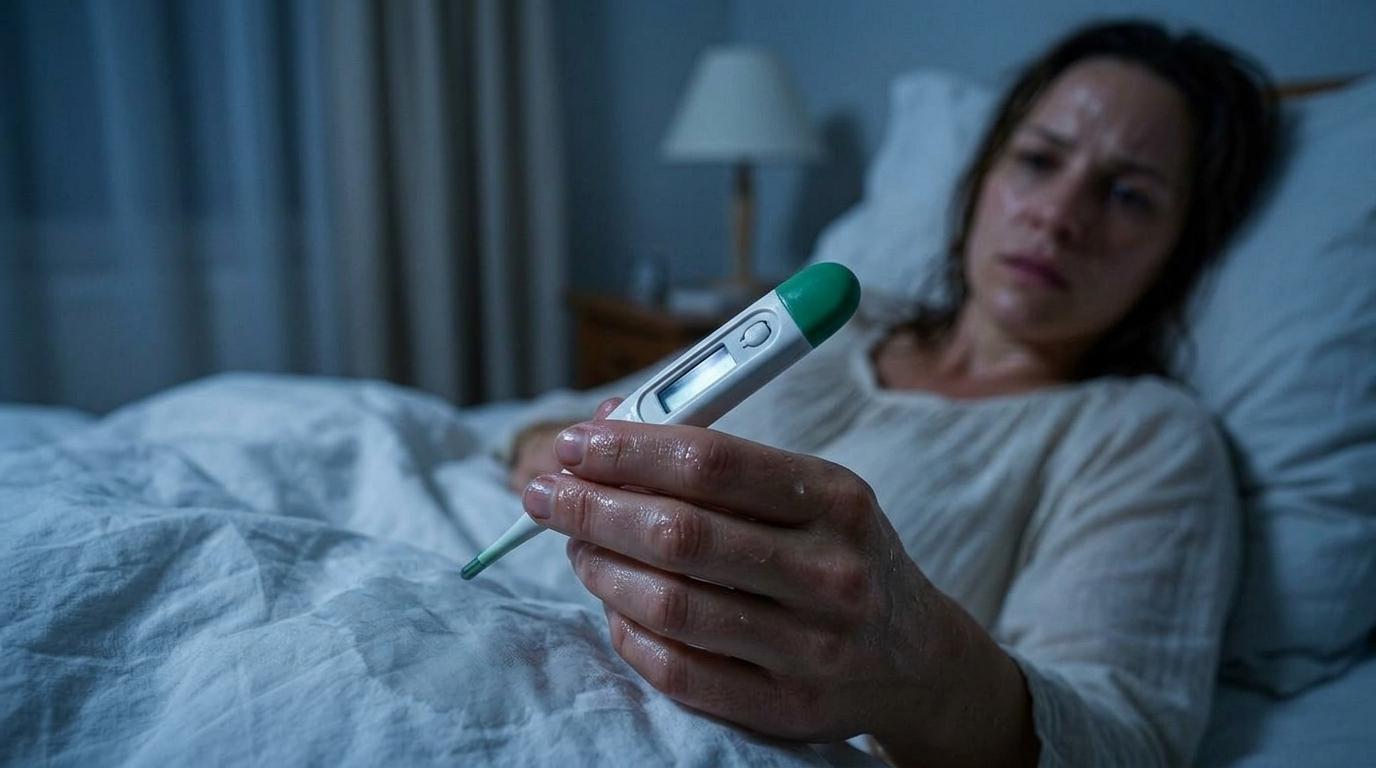
Managing cladribine (leustatin) night sweats involves identifying whether they're treatment, disease, or infection-related, requiring timely medical assessment.
Night sweats during cladribine treatment can be miserable. Many patients find that leustatin, a well-recognized formulation of cladribine used to treat hairy cell leukemia, can trigger sudden and severe episodes of perspiration. The sweating can be confusing. Sometimes the sweating is part of the body’s reaction to treatment, and sometimes it reflects underlying issues such as the cancer itself or the side effects of chemotherapy. Cladribine, also known as Leustatin, interferes with DNA replication in malignant cells but can also affect normal cells, leading to side effects like vomiting, allergic reactions, or other complications. In certain cases, especially during periods of low blood counts when the patient is more vulnerable to infections, night sweats can serve as a warning sign that requires prompt medical attention.
If you are taking cladribine (Leustatin) and waking up drenched, the first priority is not just comfort but figuring out whether this might be simple overheating or something your oncology team, or even a hospital evaluation if necessary, needs to know about the same day. This is particularly important if you are pregnant or breastfeeding, or if you have a history of allergic reactions or adverse responses following vaccines since these factors may influence your overall response to chemotherapy.
This is not medical advice. Always consult your doctor or oncology team before making any changes.
A practical way to think about cladribine night sweats is to sort them into three buckets:
Leustatin has been used effectively for decades as a treatment for hairy cell leukemia, and its immune-modulating properties mean that symptoms such as night sweats should not be taken lightly.
Cladribine is a purine analog used most often for hairy cell leukemia. It affects lymphocytes and other blood cells, which is part of why it works. However, the same immune effect can raise the risk of infections and other side effects. The National Cancer Institute information on hairy cell leukemia and the Mayo Clinic overview of night sweats both emphasize that night sweats are a symptom with multiple possible causes, not one single explanation.
One patient, we will call her Maria, noticed heavy sweating for two nights after treatment. She assumed it was just part of her chemotherapy regimen. On the third night, she checked her temperature and found it was just over 100.4°F. Her oncology team had her come in immediately, and that turned out to be the right call. Maria had also been advised about the possibility of vomiting or developing allergic reactions due to the cladribine (Leustatin) treatment and was warned to monitor her symptoms closely.
Another patient, James, experienced sweating mostly when the room was warm and he used thick bedding. He did not have a fever, chills, or new symptoms such as vomiting. In his case, improving airflow under the covers and switching to breathable bedding made a noticeable difference.
A recent example involves a patient we will call Alex. Alex began noting that his night sweats were accompanied by mild chills and discomfort. After checking his temperature and discussing his symptoms with his oncologist, it was determined that adjustments in his sleep environment were needed rather than an immediate medical intervention. Alex soon discovered that using a reliable bed fan, like the bFan from www.bedfan.com, helped him sleep more comfortably. This targeted cooling allowed him to raise his room temperature by about 5°F and still maintain a cool sleep surface, which is especially useful when sleep experts recommend a room temperature between 60°F and 67°F.
Patients receiving Leustatin should remain vigilant because the immune suppression it causes can make infections more severe and the symptoms more confusing.
This is the part you need to take seriously. Cladribine can suppress immune cells for weeks or longer. If night sweats are accompanied by fever or signs of an infection, do not treat it as a simple sleep problem. This holds true if you are pregnant or breastfeeding since changes in body chemistry might require additional medical assessment. Differentiating between treatment-related and infection-related symptoms is crucial to ensuring you receive prompt care.
Call your oncology team immediately if you experience any of these:
The National Library of Medicine overview of cladribine and oncology guidance from major cancer centers consistently stress that a fever during an immunosuppressive treatment needs immediate evaluation. This is particularly important since chemotherapy and related side effects, including potential allergic reactions, can magnify otherwise minor symptoms.
A useful rule of thumb is to check your temperature, especially if you wonder whether your sweats might be infection related. This is crucial if other side effects such as vomiting or additional complications are present.
Once you have ruled out fever and other red flags, the focus shifts to getting you back to sleep faster and reducing the amount of heat trapped in your bed. Many people instinctively lower the whole house thermostat, and while this might help, it is not always the most efficient way to tackle the problem. Night sweats tend to feel worst when heat and moisture are trapped between your body and the bedding.
Here is what often works best in practice:
A bed fan like the bFan does not cool the air itself, and neither does BedJet. Both systems use the cool air already in the room. The difference lies in where that air is directed. The bFan pushes airflow directly into the bed microclimate, which helps evaporate sweat and remove trapped body heat underneath your sheets. This is especially useful for someone dealing with medication-related overheating or side effects during chemotherapy.
Here are some practical reasons people appreciate this setup:
Not every episode of sweating means the same thing. Describing your pattern more precisely to your care team can help them understand your situation better.
This guide is not a tool for a home diagnosis, but it can make your call to the oncology office much more useful. Remember that the effect of Leustatin might differ from that of other chemotherapeutic agents, so clear communication with your health care provider is essential.
You do not need a detailed journal. A simple note on your phone or a pad by your bedside is sufficient. This can help you and your care team sort out whether the issue is environmental or something that needs medical attention.
Many patients mention, "I’ve been sweating a lot at night," and then stop. It helps to be more specific. You might say something like this:
"I am on cladribine, and for the last three nights I have experienced sweats severe enough that I had to change clothes. My highest temperature was 100.1°F, and I also felt chills. The sweats have worsened since my last treatment day. I have even experienced some vomiting, which concerns me given the overall side effects of chemotherapy."
Or you could say:
"I have been having night sweats without a fever, mostly when I get too warm under the covers. I switched to breathable sheets and added targeted airflow with a bed fan, and that has helped somewhat. I am also pregnant, so I wanted to discuss whether vaccinations or allergic reactions might be contributing to my symptoms."
The level of detail you provide gives your team a much better starting point.
When people are desperate for sleep, they sometimes spend money on solutions that do not actually solve the problem. Here are a few common missteps:
The first and fourth points are the most important to remember. With Leustatin treatment, it is vital to differentiate between expected side effects and early signs of complications.
Cladribine (Leustatin) night sweats are not something to ignore, but they are not automatically a crisis either. The key is to separate comfort issues from serious medical red flags. The medication’s impact on DNA and its role in chemotherapy can lead to side effects such as vomiting, infections, and allergic reactions, all of which require proper attention. Understanding how Leustatin affects your body can help you better recognize when to seek medical care.
Remember, if you experience fever, chills, or other signs of an infection, contact your oncology team promptly. If the problem appears to be merely overheating without those additional warning signs, improving airflow under the covers, using breathable bedding, and keeping your room within a sleep-friendly range should help. A targeted solution such as the bFan from www.bedfan.com offers efficient microclimate control, allowing you to raise your room temperature by about 5°F and still sleep comfortably. This is particularly helpful if you are pregnant, breastfeeding, or planning to get vaccinated soon, as these conditions can affect your treatment plan.
For additional guidance, check out our internal resources on Night Sweats Management, How to Create a Sleep-Friendly Environment, Managing Chemotherapy Side Effects, and Understanding Immune Suppression.
If you are experiencing troubling night sweats or have questions about your symptoms and sleep environment, please reach out to your healthcare provider immediately.
This information is provided for educational purposes only and does not substitute for medical care. Always consult your doctor or oncology team before making any changes to your treatment plan.



